In the world of canine companions, few breeds evoke as much curiosity as the Chihuahua. Tiny in stature yet bold in spirit, these dogs are often described as having personalities far larger than their physical size. Recent genetic research has added a fascinating layer to this understanding, suggesting that Chihuahuas share a surprising amount of DNA with coyotes. This ancient connection may offer clues to their distinctive temperament and resilience.
The study, which analyzed the genomes of various dog breeds, found that Chihuahuas retain a higher percentage of coyote ancestry compared to many other domestic dogs. This heritage dates back thousands of years, to a time when early dogs in the Americas interbred with local wild canids. Unlike European breeds, which diverged from wolves, some New World breeds like the Chihuahua have a unique genetic mosaic that includes coyote lineage.
This genetic link might explain certain behavioral traits associated with the breed. Coyotes are known for their adaptability, intelligence, and alertness—qualities that are also prominent in Chihuahuas. Their keen senses and cautious nature could be remnants of their wild ancestors’ survival strategies. Understanding this background helps owners appreciate the instincts that drive their pets’ behavior, from their vigilance to their independent streak.
The discovery also sheds light on the history of dog domestication in the Americas. It suggests that the process was not a single event but a complex series of interactions between humans, wolves, and local wild canids. Chihuahuas, descended from the Techichi dogs of ancient Mexico, carry this historical legacy in their DNA. It is a testament to the deep bond between humans and dogs that has evolved over millennia.
For veterinarians and breeders, this information can inform care practices. Knowing that Chihuahuas have a distinct genetic profile may help in addressing specific health issues or behavioral challenges. It encourages a more nuanced approach to training and socialization, recognizing that their reactions are shaped by both domestication and wild heritage.
Public interest in dog genetics is growing, as owners seek to understand their pets on a deeper level. The idea that a pocket-sized companion shares DNA with a wild coyote captures the imagination, bridging the gap between the domestic and the wild. It reminds us that even our most familiar animals hold secrets of their evolutionary past.
However, it is important to note that Chihuahuas are fully domesticated dogs. The coyote ancestry is a small fraction of their genome and does not make them wild. Instead, it adds depth to their story, highlighting the diverse origins of man’s best friend. It is a reminder of the complexity of life and the interconnectedness of species.
As research continues, we may learn more about how this genetic heritage influences health and behavior. For now, the Chihuahua stands as a living link to the ancient past, a small dog with a big history. Their "small but mighty" reputation is not just a cute phrase but a reflection of their resilient and adaptive nature.
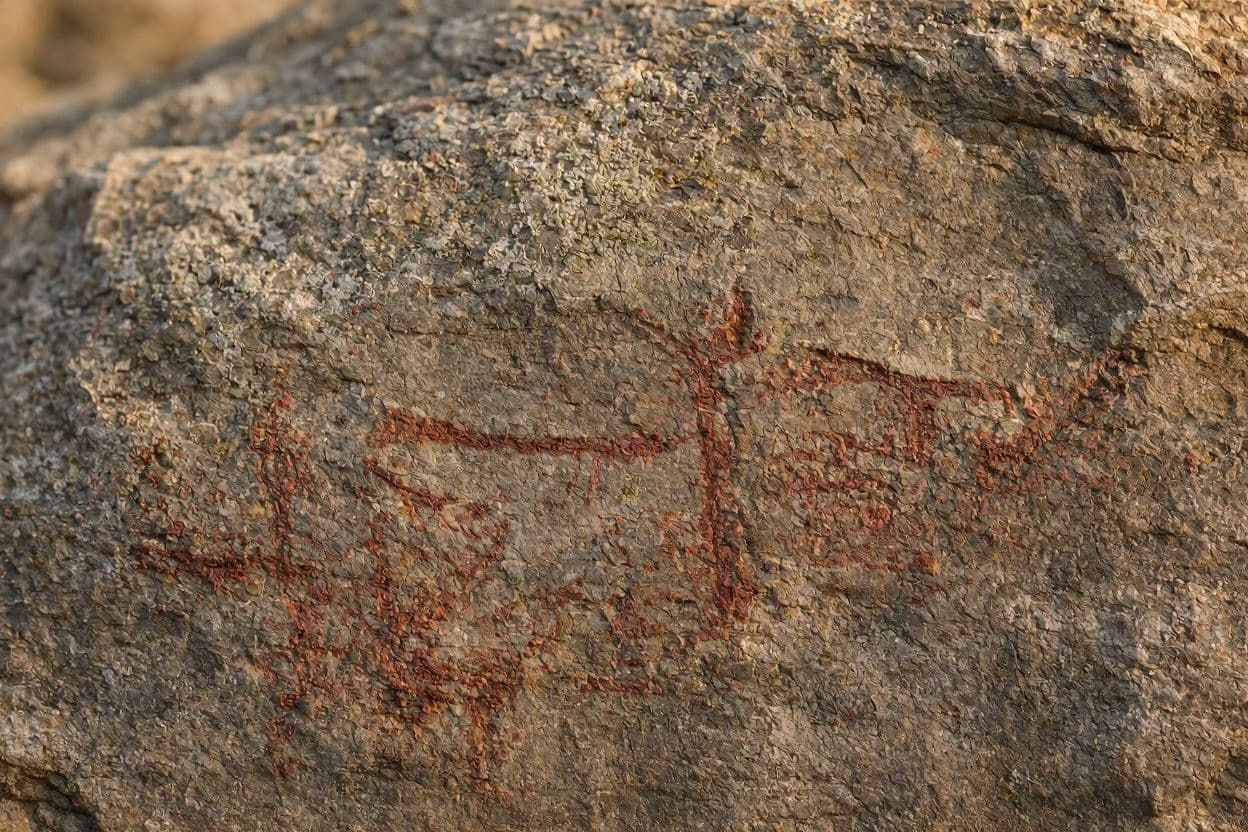
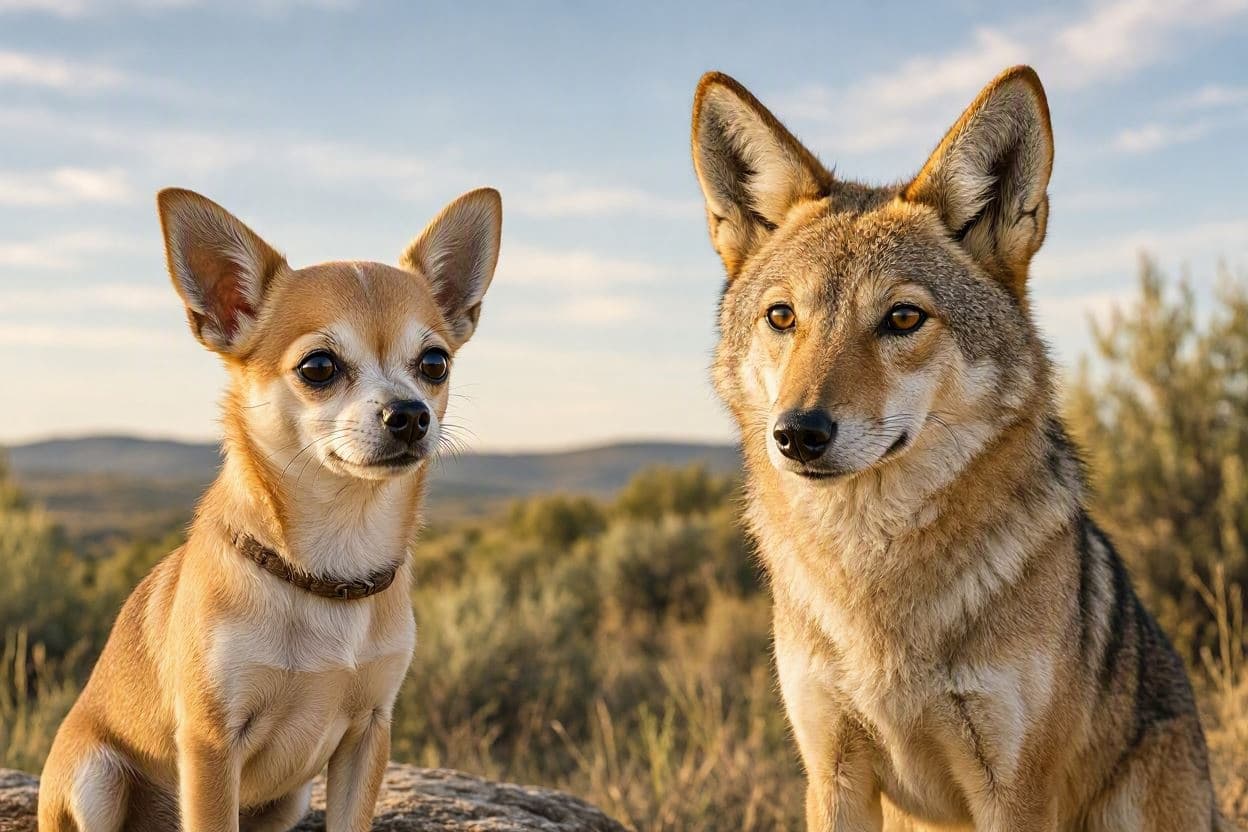
AI Image Disclaimer: The illustrations for this article are AI-generated to represent the concepts of canine genetics and the relationship between dogs and coyotes, using artistic and symbolic imagery.
Sources: Live Science, Nature Communications, Smithsonian Magazine, Dogster
Published by Banx Network. This article is part of the Banx decentralized media programme, powered by the BXE token on the XRP Ledger.