(Opening) The skies over busy city streets and bustling airport terminals often promise journeys of possibility — journeys that bridge far-off homes, adventures, and reunions. But when conflict reshapes the air above, those familiar blue expanses transform into quiet voids where aircraft once soared. Today, travelers around the world confront a different kind of horizon: one where closed runways and grounded jets reflect the ripple effects of geopolitical turbulence far from their own doorsteps.
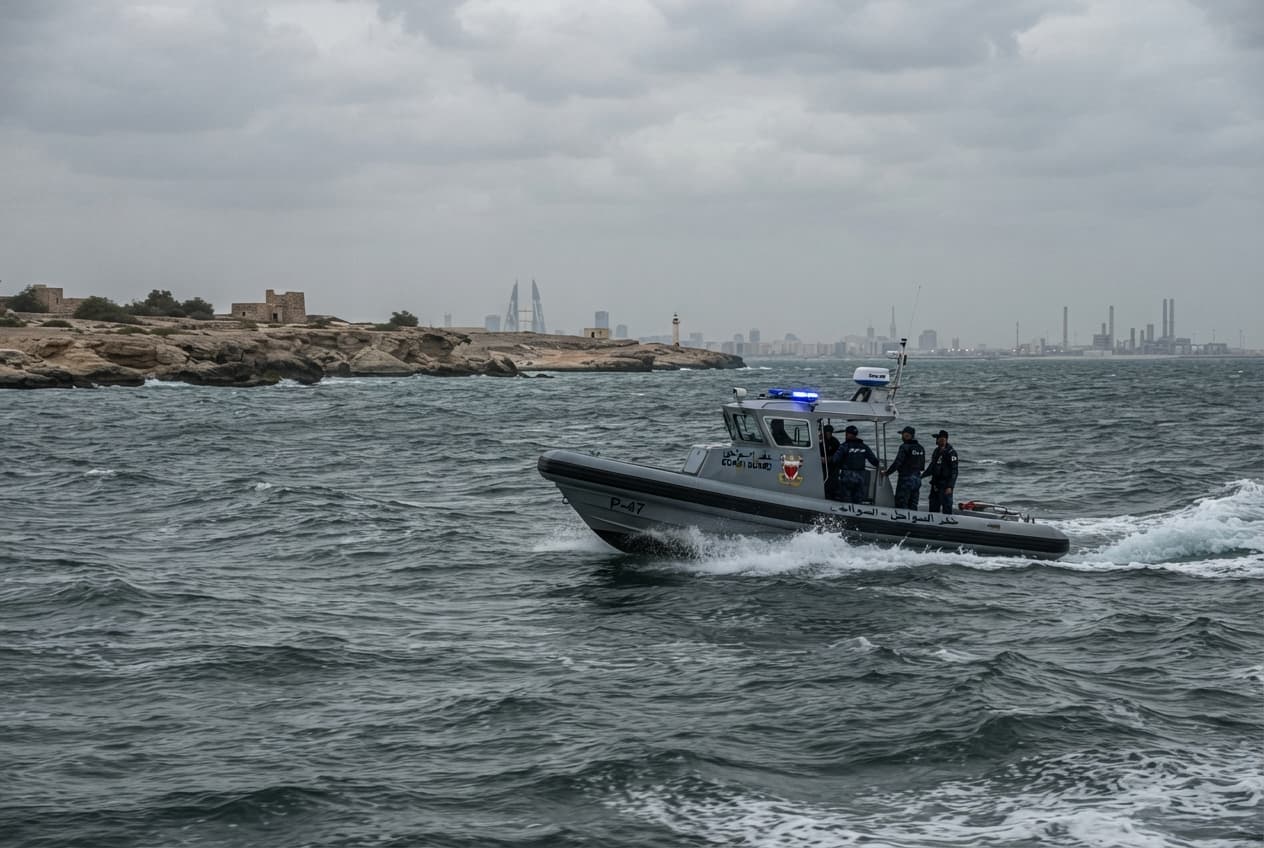
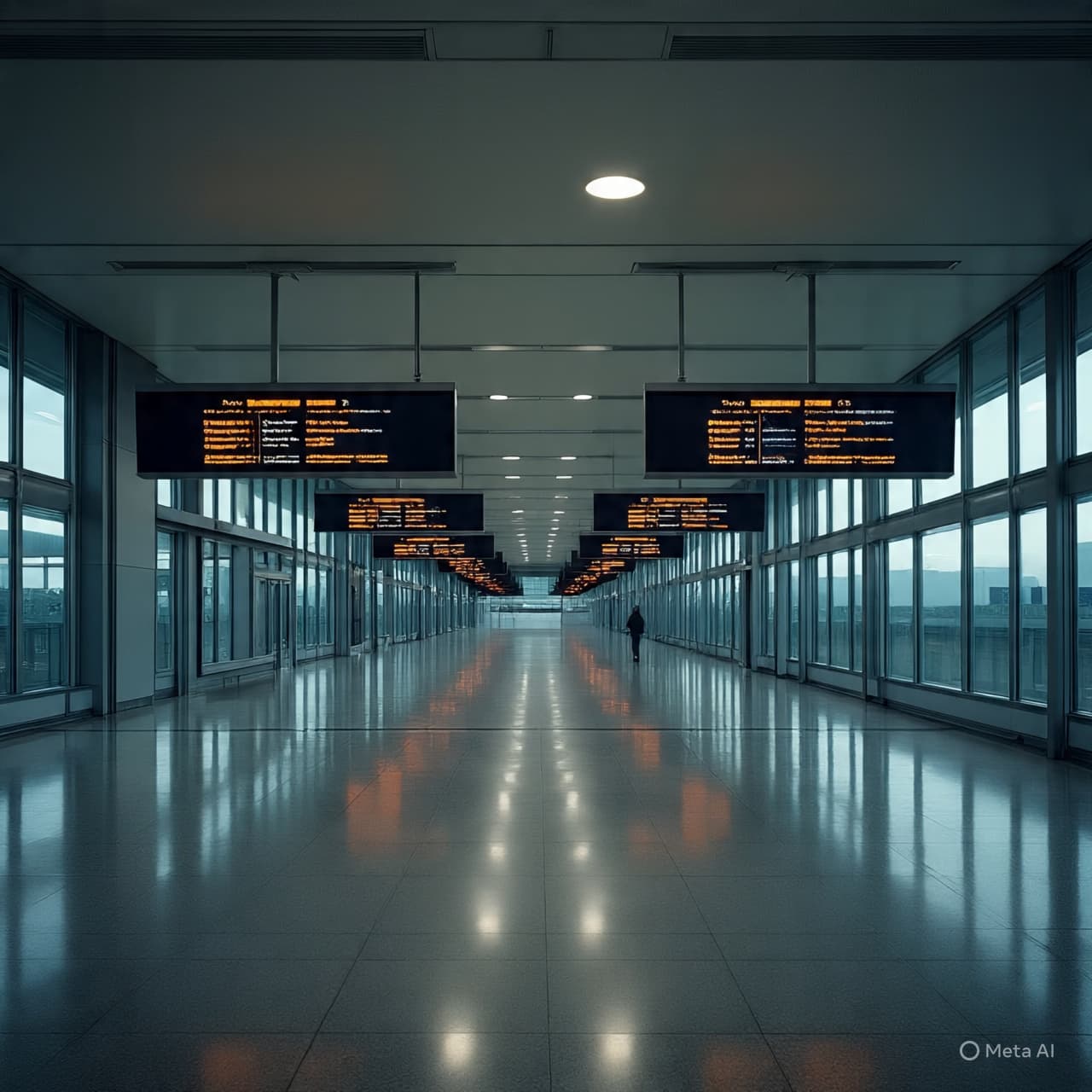
(Body) In the wake of recent military strikes in the Middle East, a dramatic pause has fallen across some of the world’s most important air corridors. Major regional hubs in the Gulf — including Dubai, Abu Dhabi, Doha, Kuwait, and Bahrain — have temporarily shut down civilian flight operations, leaving international airspace eerily calm and airport terminals unexpectedly empty.
For passengers already en route or planning flights, the disruption has been stark and swift. Airlines have canceled thousands of flights, rerouted others around conflict zones, and issued urgent advisories urging travelers to check their flight status before heading to the airport.
From Europe to Asia, the consequences have been felt far beyond the region’s borders. Airlines that typically rely on Gulf airspace have altered routes, increasing travel time and complicating connections. Passengers bound for or through the Middle East found themselves stranded in terminals at short notice, grappling with uncertainty and shifting schedules.
Closer to home, Indonesia’s major airports have seen ripple effects of the closures. In Jakarta, several flights to Middle Eastern cities were delayed or canceled, affecting both departures and arrivals, while in Bali, more than a thousand passengers saw their flights to the region called off.
Airlines operating in and out of the region are navigating both safety concerns and evolving restrictions. Some carriers have paused services entirely, while others are adjusting routes to avoid closed airspace — a logistical puzzle that continues to shift hour by hour.
In response, aviation authorities and ministries have urged passengers to remain alert for updates and to work directly with their airlines. These evolving disruptions underscore how intricately global travel is tied to stability in the skies above.
(Closing) For now, airports that were once lined with take-offs and landings stand conspicuously quieter, a reminder that when distant events reshape the skies, the world’s travel patterns can be grounded in unexpected ways. As airlines, authorities, and passengers await clearer signals from the region, travelers are encouraged to stay informed, flexible, and prepared for ongoing changes to international air travel schedules.
AI Image Disclaimer “Images in this article are AI-generated illustrations, meant for concept only.”
Sources Reuters, Financial Times, Washington Post, Condé Nast Traveler, RNZ.
Published by Banx Network. This article is part of the Banx decentralized media programme, powered by the BXE token on the XRP Ledger.