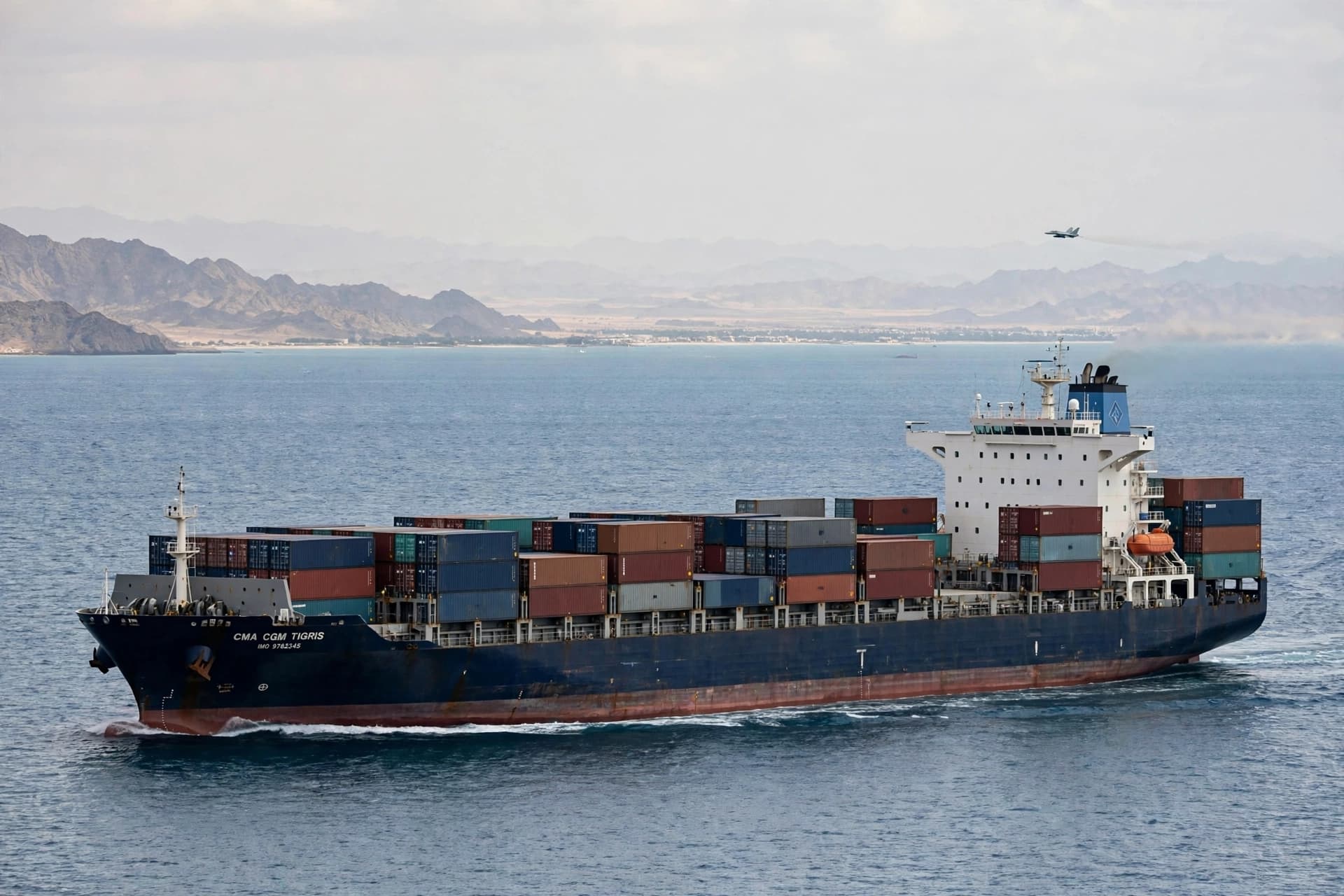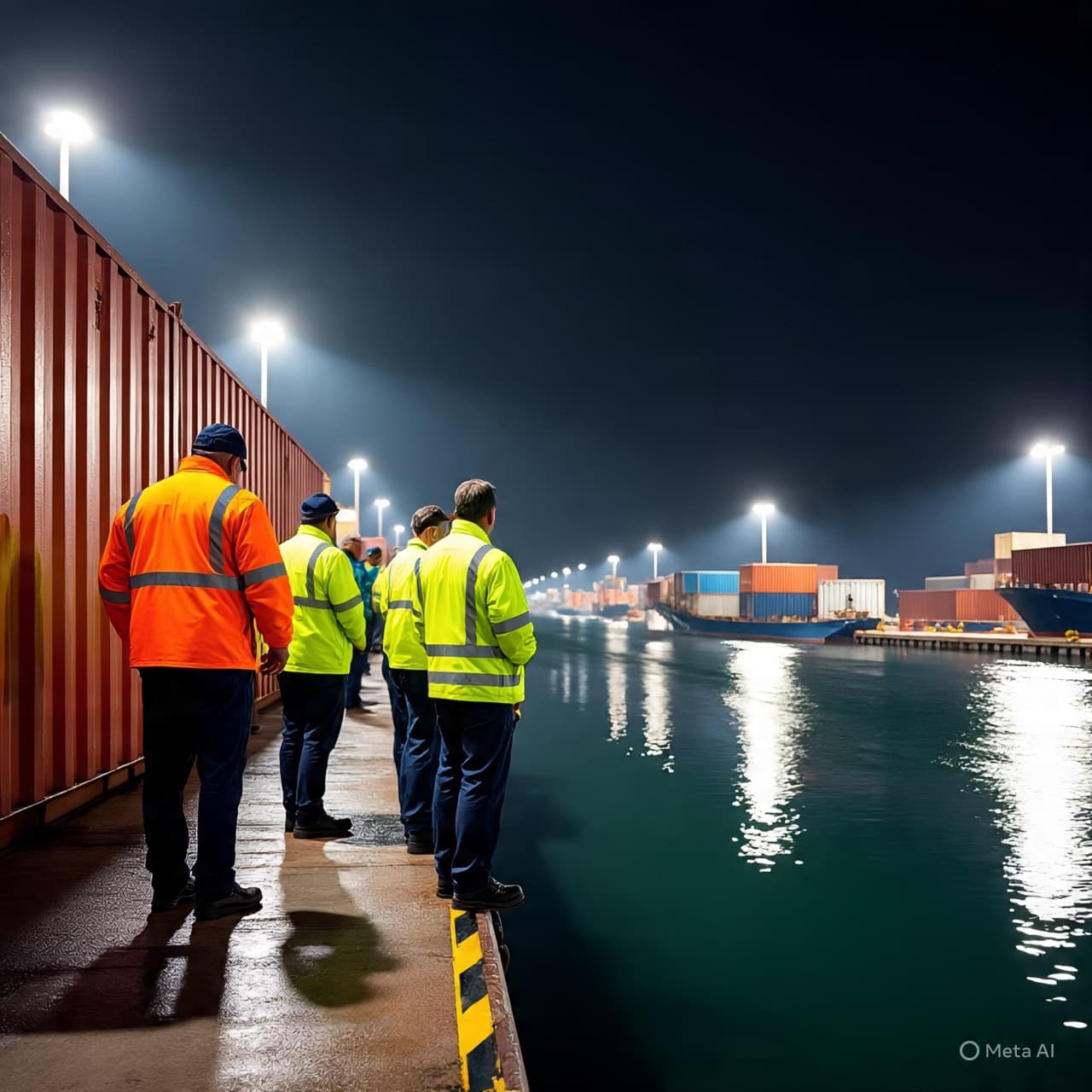
On a cold winter night off Sweden’s southwestern coast, the quiet stillness of the Baltic Sea was punctuated by an assertive message: sovereign nations retain both the will and the right to uphold the rule of law, even in waters where geopolitics churns beneath calm horizons. Swedish authorities quietly but deliberately boarded a Russian freighter — a vessel anchored just off Höganäs after reporting engine trouble — underscoring the complexities of enforcing sanctions in a fraught international landscape.
The ship in question, the Adler, is no ordinary merchant vessel. Its owner, M Leasing LLC, appears on both European Union and U.S. sanctions lists, with allegations linking it to logistics and transport chains associated with weapons supplies. That web of suspicion, drawn against the backdrop of Europe’s ongoing tensions with Moscow and the broad sanctions regime tied to the war in Ukraine, transformed what might have been a routine maritime inspection into a legally loaded encounter on Sweden’s territorial sea.
Shortly after midnight on December 21, Swedish Customs, backed by the Swedish Coast Guard, police, and prosecutors, sent teams aboard the anchored vessel. Officials conducted a thorough customs inspection of cargo and documentation, though they have yet to disclose whether anything in violation was found. Moderation has been central to the authorities’ public stance; as a customs spokesperson noted, details remain sensitive and the investigation is ongoing.
For Stockholm, the operation reflects an evolving approach to maritime oversight. In recent years, Sweden and other Baltic nations have grown increasingly vigilant of what some analysts label the “shadow fleet” — ships of opaque ownership and shifting flags that, critics say, help states under sanction maintain crucial supply lines. The Adler’s inspection resonates with these broader efforts to apply sanctions consistently and with authority, even when vessels enter national waters due to technical issues like engine failure.
The crew reportedly cooperated peacefully, with Swedish officers conducting their work without incident. Authorities now determine whether the ship can depart, or whether legal and regulatory restrictions might bind it further. This careful yet firm action illustrates a delicate balance between respect for maritime norms and a resolve to enforce sanctions regimes that Sweden — along with its EU partners — has embraced as part of a larger geopolitical posture.
As winter unfolds over the Nordic seas, this episode reminds observers that even maritime corridors can become arenas where law, diplomacy, and national security intersect. For Sweden, a nation long defined by neutrality yet now deeply enmeshed in constraints and consequences of broader conflicts, boarding and inspecting a sanctioned vessel in its own waters stands as both a practical enforcement measure and a symbolic affirmation of its role in Europe's collective efforts to manage the ebb and flow of international pressure.
AI Image Disclaimer “Visuals are created with AI tools and are not real photographs.”
Sources Reuters Al Jazeera Anadolu Agency SVT broadcaster reporting Ukrainska Pravda
Published by Banx Network. This article is part of the Banx decentralized media programme, powered by the BXE token on the XRP Ledger.