Sometimes a single door closing becomes the sound that wakes a nation. Last week in Madrid, police carried an 87-year-old woman from the apartment where she had lived for seven decades, and the image of that removal—a stretcher in a hallway, a life displaced—became the spark for something larger than one eviction. By Tuesday, Spain’s government had announced measures that, if ratified, would mark one of the most significant interventions in the country’s housing market in years.
The woman, María del Carmen Abascal, known widely as “Maricarmen,” had rented her apartment in the Retiro neighborhood since her father first signed the lease in 1956 . The property’s owner, an investment firm, had raised her rent by 275 percent, according to the tenants’ union, from approximately 500 euros per month to 2,650 euros . When she could not pay, the eviction proceeded. She was hospitalized after the removal and became a symbol of a housing crisis that has been building across Spain for years, despite strong economic growth .
The government’s response came swiftly. The coalition led by Prime Minister Pedro Sánchez announced a decree that would ban evictions for vulnerable tenants until 2030, regulate room rentals, impose a new tax on seasonal rentals, and prohibit “speculative real estate purchases by vulture funds” until 2028 . Housing Minister Isabel Rodríguez said the measures would also offer tax breaks to landlords renting to low-income tenants and interest-free loans to first-time homebuyers . The decree takes effect immediately but must be ratified by Congress within thirty days, where the government lacks a majority .
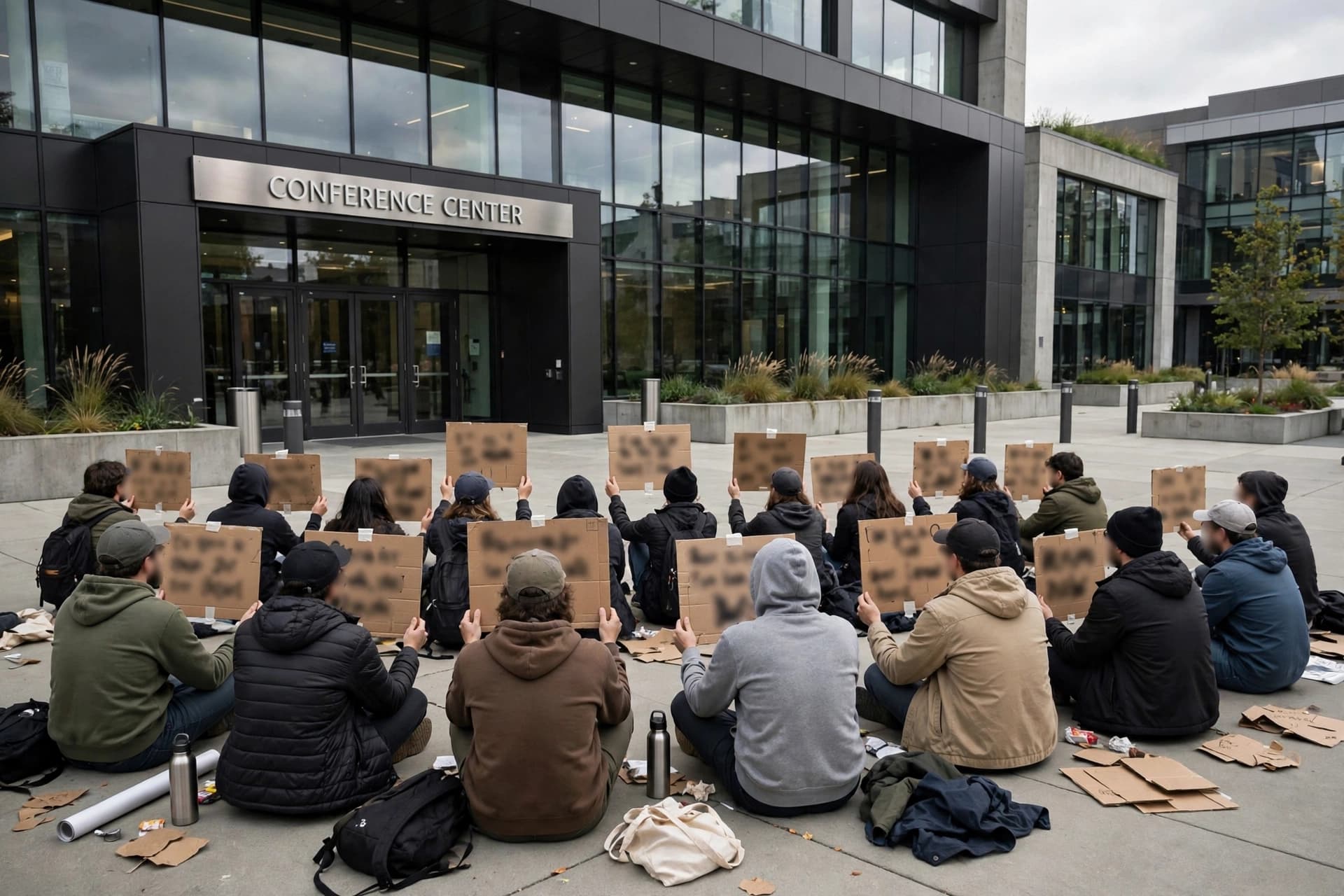
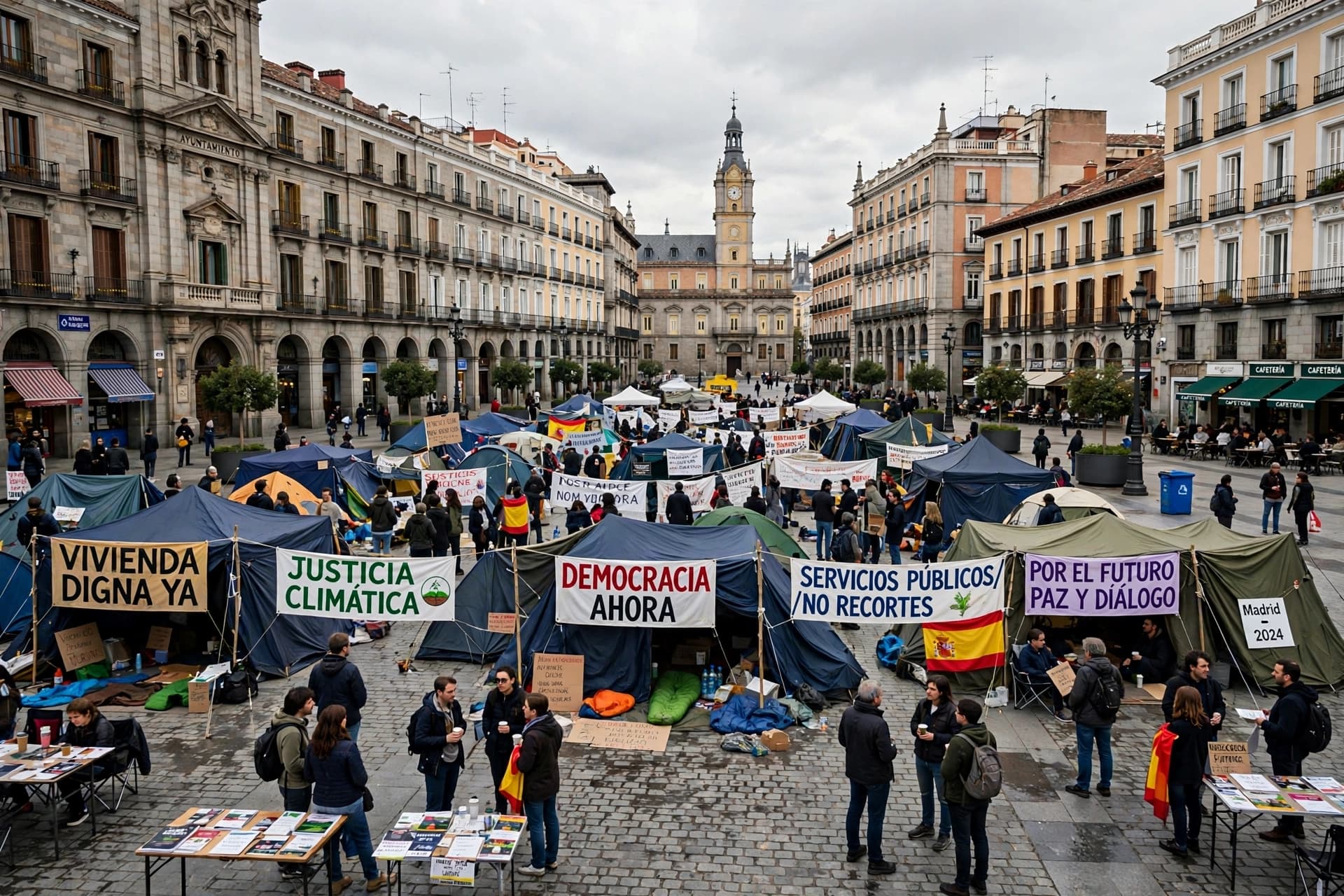
The protests that preceded the announcement were among the largest Spain has seen in recent years. Tens of thousands gathered in Puerta del Sol in Madrid, erecting encampments that remained as of Monday night . Smaller encampments appeared in Seville, Málaga, Santiago de Compostela, and Palma de Mallorca . Pope Leo XIV, asked about the situation, said it underscored the need for political leaders to address the “systemic cause” of housing insecurity . The Madrid Tenants’ Union, which organized the protests, said it would review the “fine print” before deciding whether the measures went far enough .
For Maricarmen herself, the protest yielded a personal resolution. Her lawyer, Beatriz Duro, confirmed that she had accepted a deal with the property owner to return home, with rent capped at 30 percent of her income—no more than the 500 euros she had paid before . “She is very happy,” Duro said . The agreement was reached Monday, before the government’s announcement, but the broader political battle it triggered is far from settled.
Opposition to the decree has already surfaced. Míriam Nogueras of the center-right Catalan party Junts criticized the government for lumping small landlords—ordinary people who have invested their savings in a property—together with large investment funds, calling it “a mistake” . The government will need Junts’ support or that of other smaller parties to secure parliamentary approval, a hurdle that has blocked similar measures before . The vote is expected as early as Friday.
The Spanish housing law of 2023 already regulated rents and protected tenants, allowing rent caps in high-demand areas at local governments’ request . The new decree goes further, but its durability depends on political will and judicial interpretation. For the thousands who camped in Madrid’s plazas, the question is whether a single case’s visibility can translate into structural change. “There are years when nothing happens, and weeks when history is made,” the Tenants’ Union said in a statement. “A historic window of opportunity has opened” . Whether that window remains open long enough to pass through will be decided in the coming weeks, in a parliament where the arithmetic is fragile and the stakes are the roofs over millions of heads.
AI Image Disclaimer: The visuals accompanying this article were produced by AI and do not depict real persons or events.
Sources: BBC News, The Associated Press, U.S. News & World Report, ORF, Deutschlandfunk
Published by Banx Network. This article is part of the Banx decentralized media programme, powered by the BXE token on the XRP Ledger.