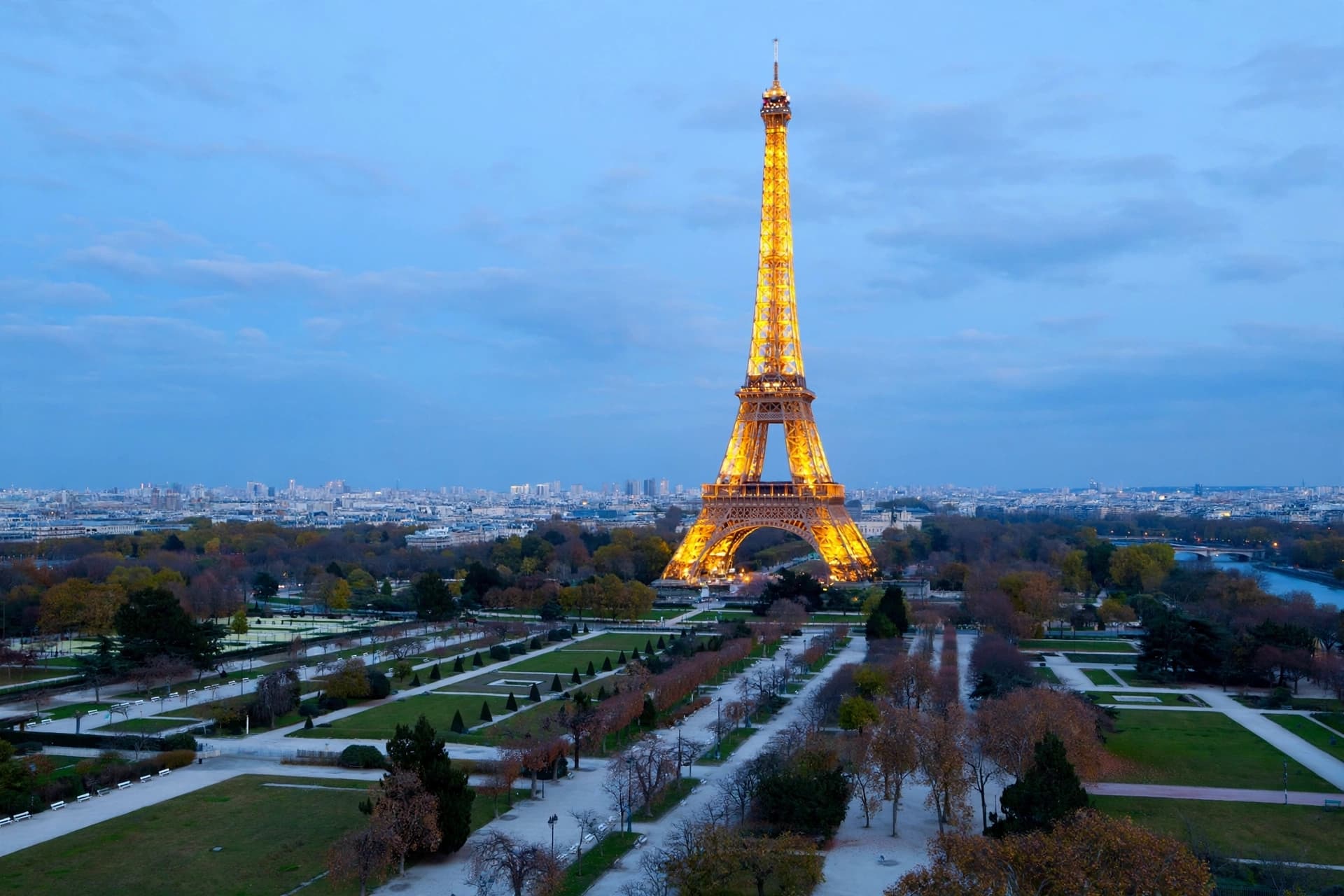
There are moments when an institution built to symbolize openness finds itself forced to ask what that symbol truly demands of those who steward it. The Eiffel Tower, which has welcomed the world for more than a century, became the stage for such a reckoning this month—a quiet confrontation between the demands of hospitality and the principles of equality.
Patrick Branco Ruivo, director general of SETE, the company that operates the Paris landmark since 2018, will step down at the end of the year. The decision followed an internal investigation that found "operational flaws and shortcomings" in organizing a September 5 visit by a delegation of about 100 people linked to the Bochasanwasi Akshar Purushottam Swaminarayan Sanstha, a Hindu religious group known as BAPS .
The delegation had requested that the visit be arranged to limit interactions with women, and SETE accepted those conditions. Female employees were asked to leave their posts, replaced by male colleagues. Staff said women were instructed not to cross certain areas while the delegation was present . The tower closed for a day as workers went on strike in protest .
The backlash was immediate and spanned the political spectrum. Yaël Braun-Pivet, president of France's National Assembly, said she refused to allow women to be compelled to step aside for foreign visitors. Paris Mayor Emmanuel Gregoire called the decision "absurd, unjust and unacceptable" and ordered two investigations . Ariel Weil, chair of SETE's board, has since requested measures and training programs promoting gender equality within the organization .
BAPS apologized "for any pain or inconvenience caused," adding that it believes in "the universal values of mutual respect and service." The group describes itself as a spiritual, volunteer-driven fellowship dedicated to improving society through Hindu values, with temples in major cities worldwide . BAPS says its segregation of men and women was introduced for the benefit of women, but critics argue such practices have no place in contemporary public institutions .
Ruivo, in a letter to employees, said he did not personally order the removal of the women but acknowledged their absence during the visit and accepted responsibility for it . The investigation concluded that the arrangements resulted in an unacceptable situation, and the company said the coming months will be used to prepare for a leadership transition under the best possible conditions .
The Eiffel Tower, which draws some seven million visitors each year, has faced closures before—for maintenance disputes and wage negotiations. But this closure carried a different weight. It was not about the tower's upkeep but about who belongs within its spaces, and on what terms .
The transition at SETE will unfold over the coming months, with the tower's management pledging new protocols and training. For now, the monument that has stood as a beacon of French openness remains open, its future leadership tasked with ensuring that the values it represents are not set aside at the door.
Note: The imagery accompanying this article is AI-generated and does not depict real individuals or events.
Sources:
· BBC · Associated Press (via Toronto Star) · News18 · The Hindu · NOS
Published by Banx Network. This article is part of the Banx decentralized media programme, powered by the BXE token on the XRP Ledger.