In times of crisis, leadership often resembles a ship navigating uncertain waters. The captain may speak calmly from the deck, promising direction and restraint, while deep within the vessel, powerful engines continue to move with their own momentum. The distance between command and action can sometimes reveal the hidden tensions within a system.
Such a moment appears to be unfolding inside Iran’s leadership.
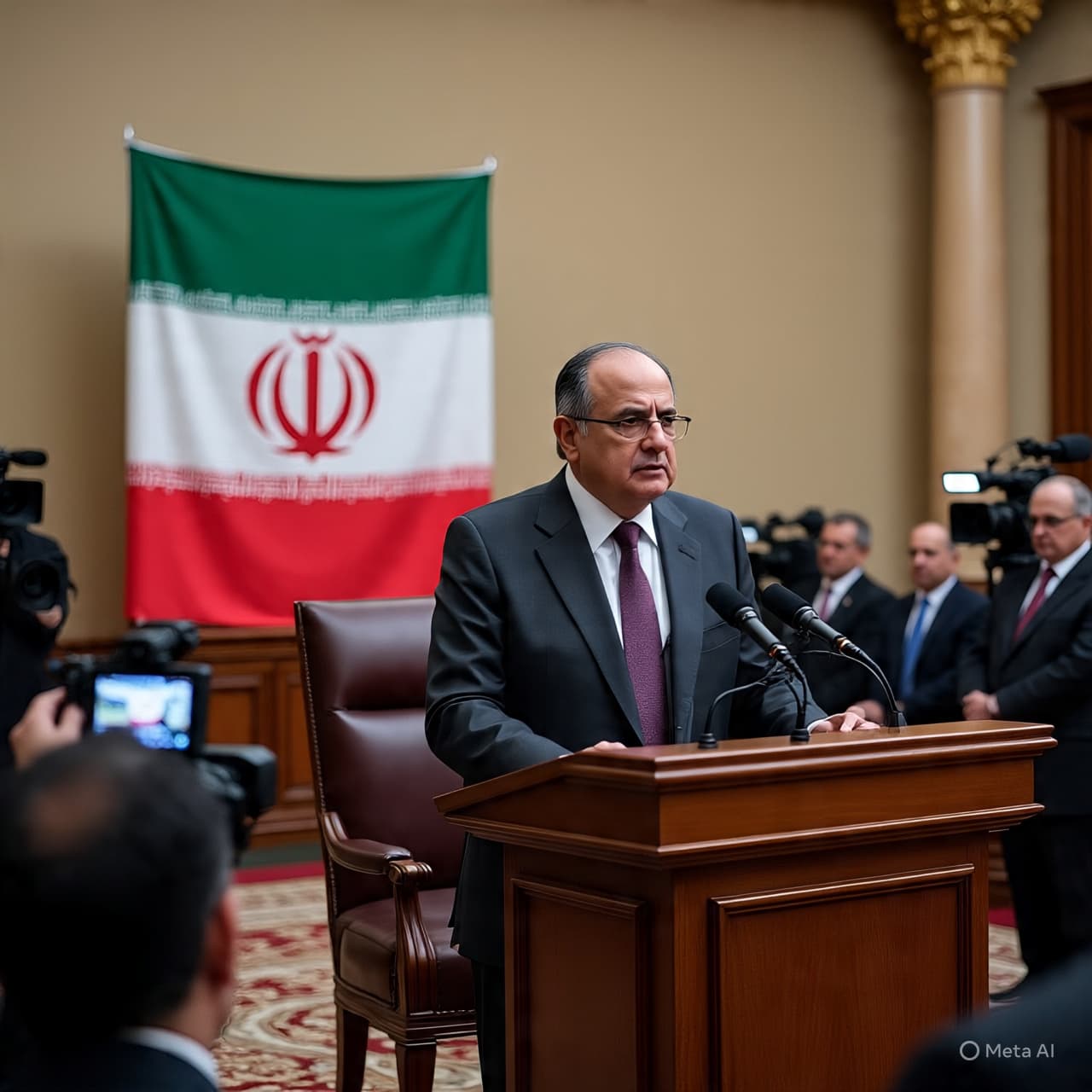
In a televised message, Iranian President Masoud Pezeshkian offered an apology to neighboring Gulf countries after Iranian missiles and drones struck cities and military sites across the region. His statement was unusually direct, acknowledging the anxiety and disruption experienced by countries that suddenly found themselves within the trajectory of an expanding war.
Yet even as the apology was broadcast, reports continued to emerge of new missile launches and drone strikes targeting Gulf states. The contrast between the president’s conciliatory language and the continuing military activity raised questions about how much authority Iran’s civilian leadership currently holds over the country’s powerful security institutions.
The timing of the statement is significant. Iran’s political structure is undergoing a rare moment of uncertainty following the death of Supreme Leader Ayatollah Ali Khamenei, who was killed in a large-scale airstrike that triggered the present regional conflict. Since then, the country has been governed by an interim leadership council while a successor is being determined.
Within that transitional landscape, Pezeshkian’s apology has been interpreted by many observers as an attempt to reassure neighboring states that Iran does not seek a wider regional war.
In his remarks, the president said Iran should avoid striking neighboring countries unless they directly participate in attacks against Iranian territory. He also suggested that misunderstandings within the military chain of command may have contributed to some of the earlier strikes.
Still, the reality on the ground has appeared more complicated.
Iran’s missile forces and drone units are largely controlled by the Islamic Revolutionary Guard Corps, a powerful paramilitary organization that historically answered directly to the supreme leader rather than to the civilian government. Analysts say this structure can create overlapping centers of authority during moments of political transition.
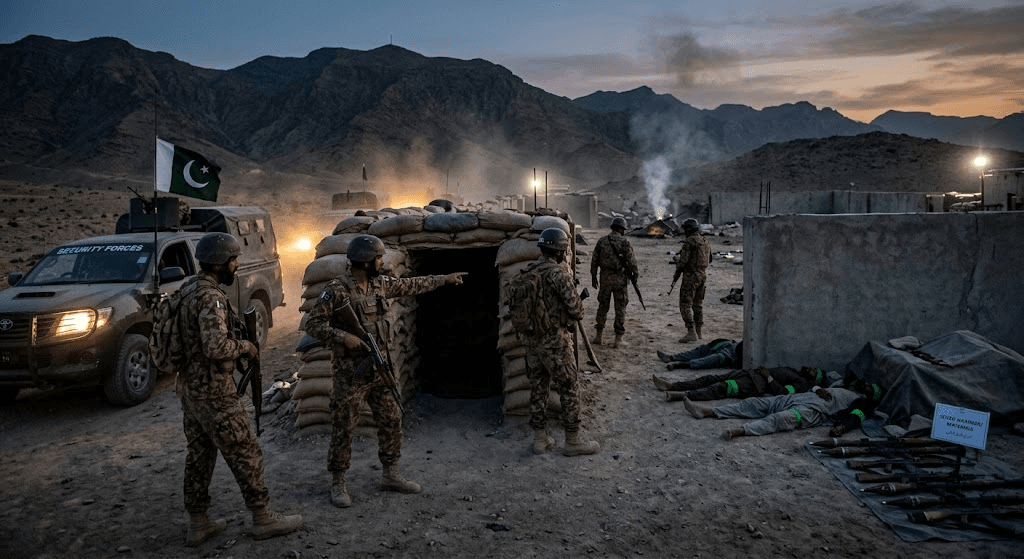
In the current conflict, that dynamic may be particularly visible. While Pezeshkian has spoken about diplomacy and restraint, Revolutionary Guard units have continued launching attacks across the region as part of Iran’s broader confrontation with the United States and Israel.
The war itself has unfolded rapidly. After large-scale U.S. and Israeli airstrikes targeted Iranian military and strategic sites, Tehran responded with waves of missiles and drones aimed at Israeli territory and locations linked to American forces across the Middle East.
Some of those strikes reached Gulf countries that host U.S. military bases, including Bahrain, Qatar, Saudi Arabia, and the United Arab Emirates. Air defense systems intercepted many of the incoming weapons, though explosions and disruptions were reported in several locations.
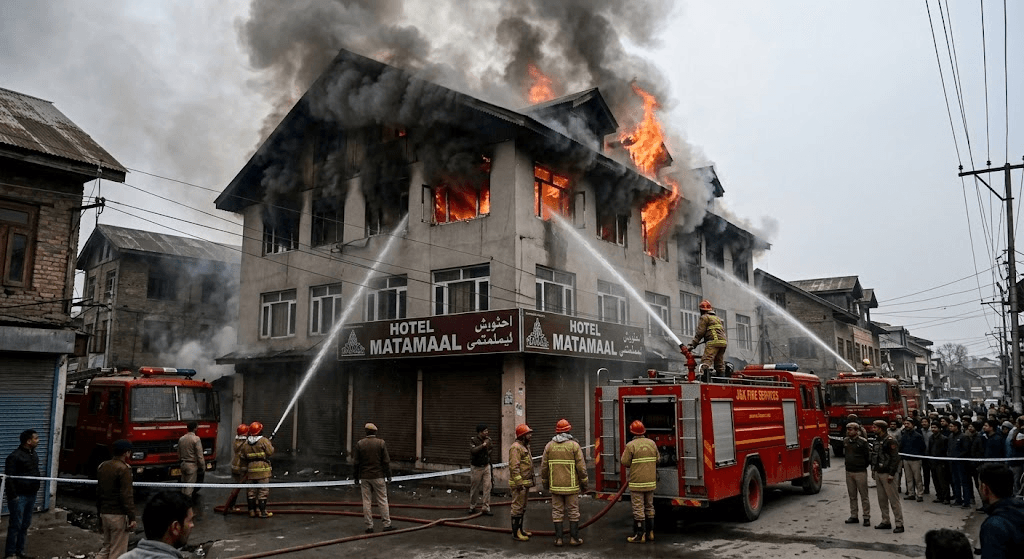
The consequences have extended beyond the battlefield. Air travel across the Gulf has faced interruptions, global oil markets have reacted sharply to the instability, and shipping lanes near the Strait of Hormuz are being monitored closely by international governments and energy companies.
Inside Iran, the political debate over the president’s apology has also become visible.
Some conservative figures and hardline commentators have criticized the message, arguing that apologizing during wartime risks signaling weakness. Their criticism reflects long-standing divisions inside Iran’s political establishment over how the country should present itself during confrontation with foreign powers.
Others, however, see the statement as an effort to prevent the conflict from expanding further across the Middle East. By acknowledging the concerns of neighboring countries, the Iranian president may be attempting to reassure governments that Tehran’s main confrontation lies elsewhere.
For many observers, the episode highlights how moments of war can expose the internal mechanics of leadership.
A single televised speech may reveal more than a diplomatic message; it may also offer a glimpse into how authority is distributed, contested, or negotiated within a political system.
As the conflict continues, the region is likely to watch closely for signs of whether Iran’s political leadership and military institutions move in closer alignment—or continue to speak with different voices.
For now, the situation remains fluid. Iranian officials say attacks on neighboring countries will be avoided unless those nations are used as bases for strikes against Iran. At the same time, regional governments continue to monitor the evolving conflict and strengthen their defensive measures.
The coming days may determine whether the president’s words signal a shift toward restraint or simply reflect the complicated reality of leadership during war.
AI Image Disclaimer Graphics are AI-generated and intended for representation, not reality.
Source Check Credible mainstream / niche media covering this development:
Associated Press (AP) Reuters The Guardian Financial Times NPR
Published by Banx Network. This article is part of the Banx decentralized media programme, powered by the BXE token on the XRP Ledger.