Retail businesses often begin planning long before products reach store shelves. As global freight costs fluctuate, many American retailers are reviewing import strategies to protect profit margins while maintaining stable prices for consumers.
Companies importing electronics, clothing, furniture, and household products are negotiating new shipping contracts and seeking more efficient logistics solutions. Some businesses are also diversifying suppliers to reduce dependence on a single shipping route or production region.
Digital inventory systems and predictive demand forecasting have become increasingly valuable. By analyzing consumer trends and transportation data, retailers can better manage stock levels while reducing unnecessary storage and shipping expenses.
Market analysts believe businesses that strengthen supply chain flexibility and improve operational efficiency will be better prepared for future changes in international freight markets. Despite ongoing uncertainty, retailers continue adapting to maintain reliable product availability.
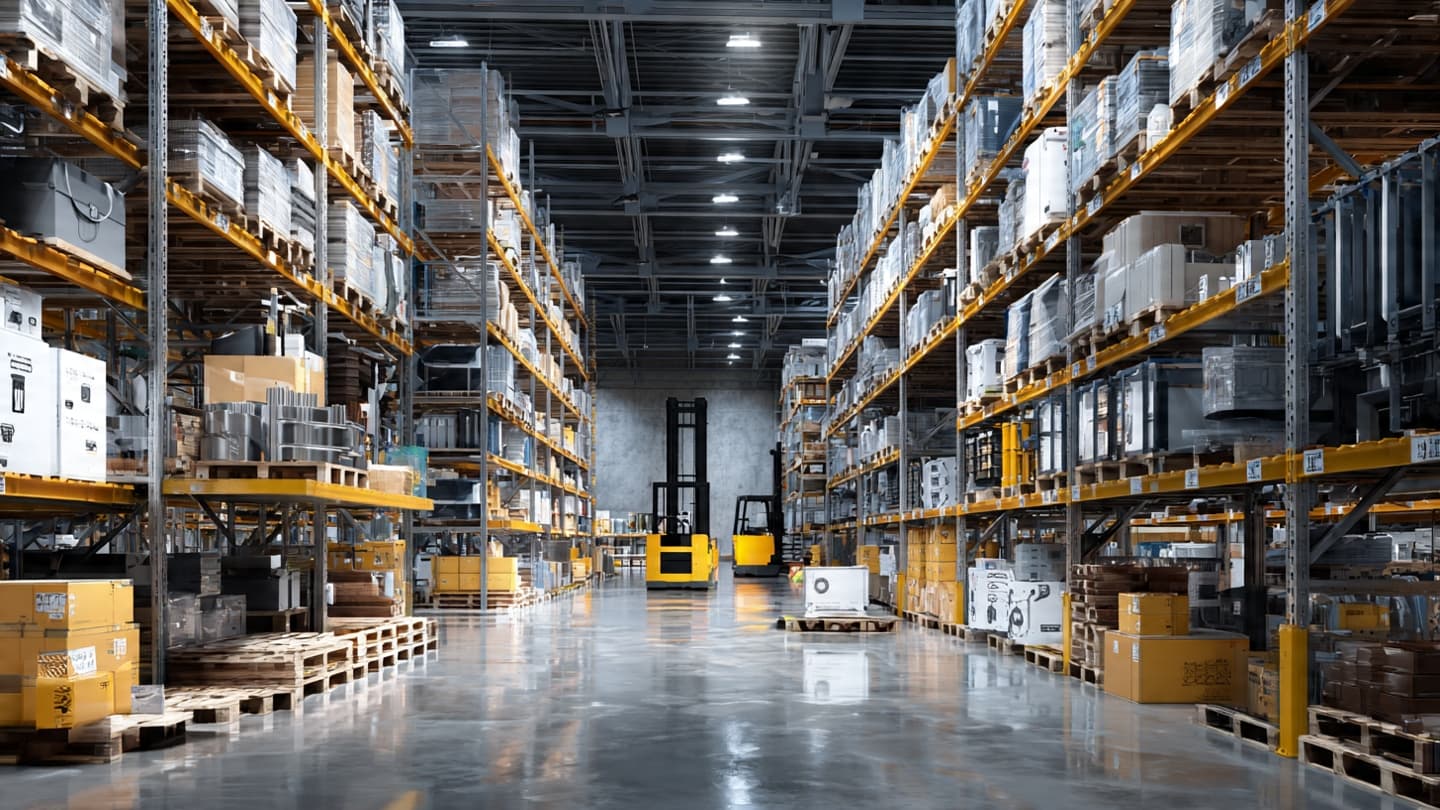
AI Image Disclaimer: Images in this article are AI-generated illustrations, meant for concept only.
Source Check: Reuters, Bloomberg, The Wall Street Journal, CNBC, Financial Times.
Published by Banx Network. This article is part of the Banx decentralized media programme, powered by the BXE token on the XRP Ledger.