There is a particular gravity that accompanies a vote on a question as fundamental as whether a province should remain part of its country. It is not an ordinary election, not a choice between parties or platforms, but a moment when the very architecture of a nation is placed before the people. In Alberta this week, that moment arrived—not with the final vote, but with the opening of advance polls that will shape what comes next.
Roughly 310 advance polling stations opened across Alberta on Tuesday for the first of five days of advance voting ahead of the official polling day on October 19 . Albertans are answering ten questions on the ballot. The first nine focus on Canada’s Constitution and immigration. The tenth—and most contested—asks whether voters want to remain in Canada or hold a second, binding referendum on quitting Confederation .
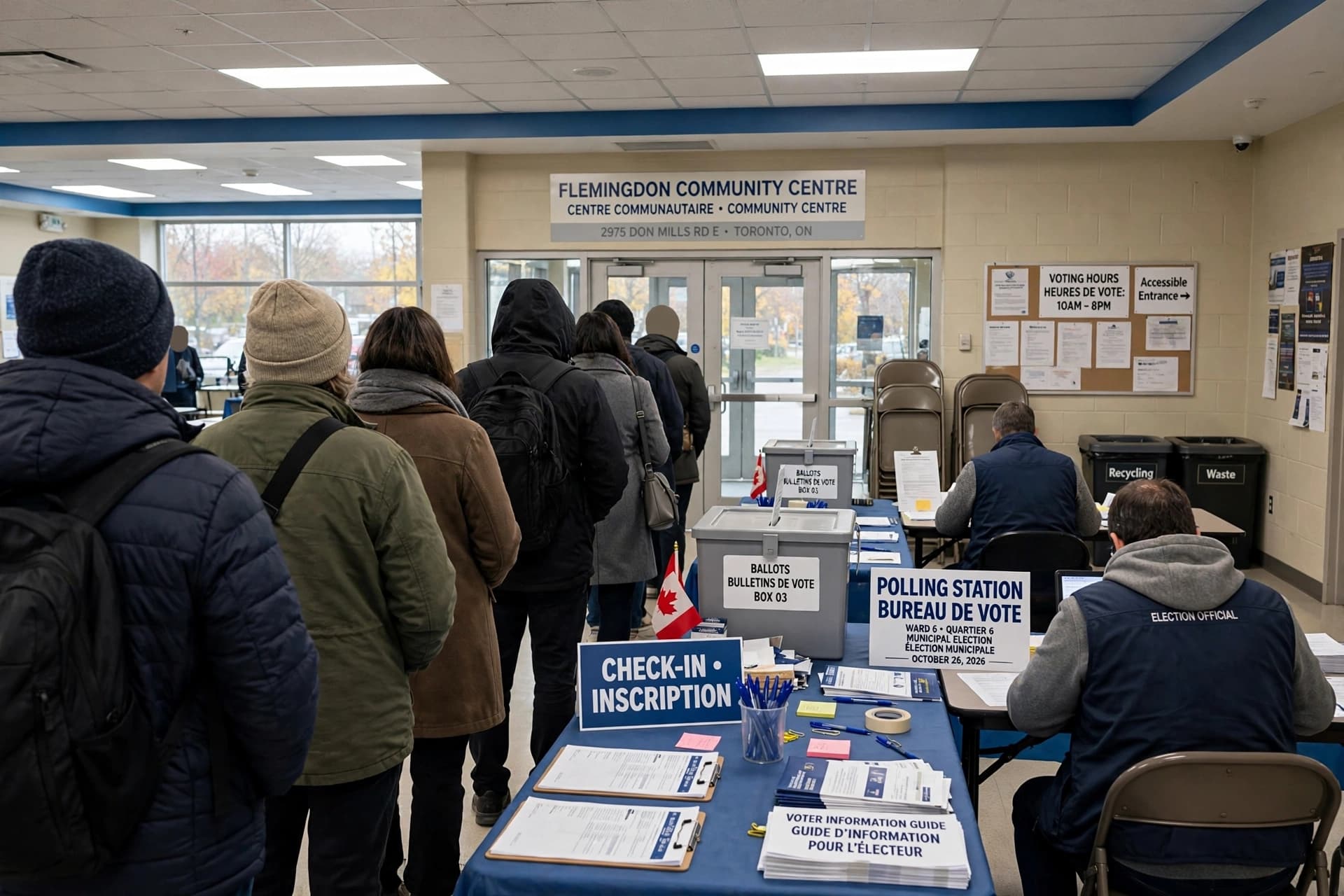
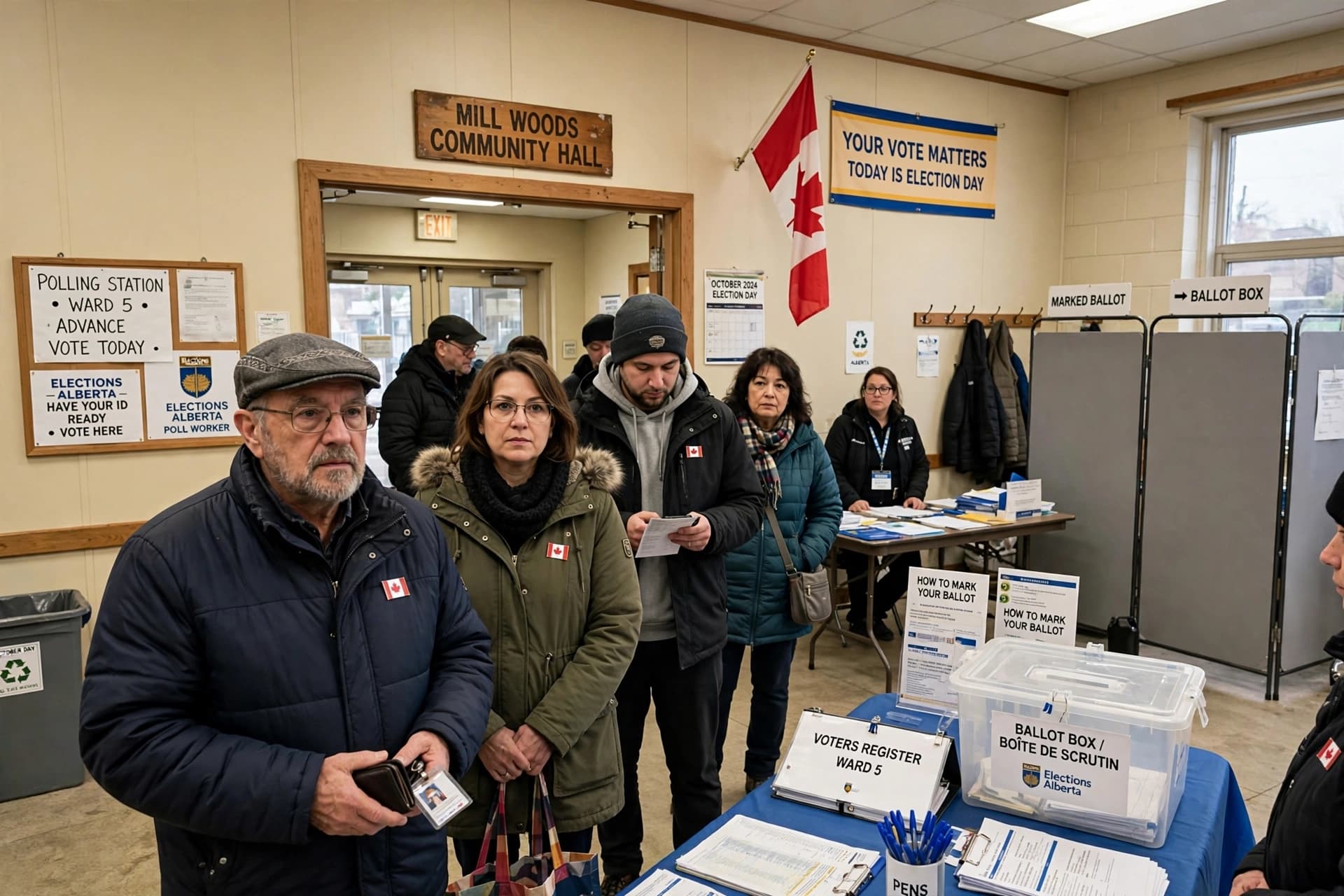
The lines formed early. At one downtown Edmonton polling station, voters waited between thirty minutes and an hour after doors opened at 9 a.m. . Some wore their allegiance on their sleeves—hats and sweaters bearing the Canadian flag. Christopher Hashmi, a voter, called separation “obviously a bad idea,” saying Alberta would be more vulnerable to U.S. interests and oil and gas corporations if it left . Lizzy Somerville said patriotism inspired her vote to stay. “Canada works better together,” she said .
For Samara O’Hagan, the question carried a different weight. “I’m Indigenous, so it’s very important to me,” she said. “It would just be totally wrong, essentially stealing land from Indigenous people. Alberta should not be able to do that” .
The interest in the vote has been extraordinary. Elections Alberta received roughly 658,000 requests for mail-in ballots, with about 391,000 returned by Monday evening ahead of the Friday deadline . The agency has hired about 46,000 workers to facilitate the vote and hand count the ballots, aiming for 60,000 . Results on the separation question are scheduled to be announced on Tuesday, October 20 .
The referendum will not immediately result in Alberta leaving Canada. The tenth question, if passed, would set the stage for a second, binding vote—a step that would move the province further down a path whose destination remains uncertain . For now, the work of democracy is being done: one ballot at a time, in school gymnasiums and community halls across the province, by people who understand that the question before them is not merely political but personal.
AI Image Disclaimer: All images in this article are AI-generated and serve illustrative purposes only, not as a documentary record of the referendum or its voters.
Sources: The Canadian Press, The Globe and Mail, The Lethbridge Herald, The Chronicle-Journal, The News International
Published by Banx Network. This article is part of the Banx decentralized media programme, powered by the BXE token on the XRP Ledger.