Key Highlights
- Incident:Twenty-seven runners hospitalized during a Santa Barbara race.
- Cause:Heat and exertion linked to the illnesses.
- Investigation:Ongoing inquiries into the event's circumstances.
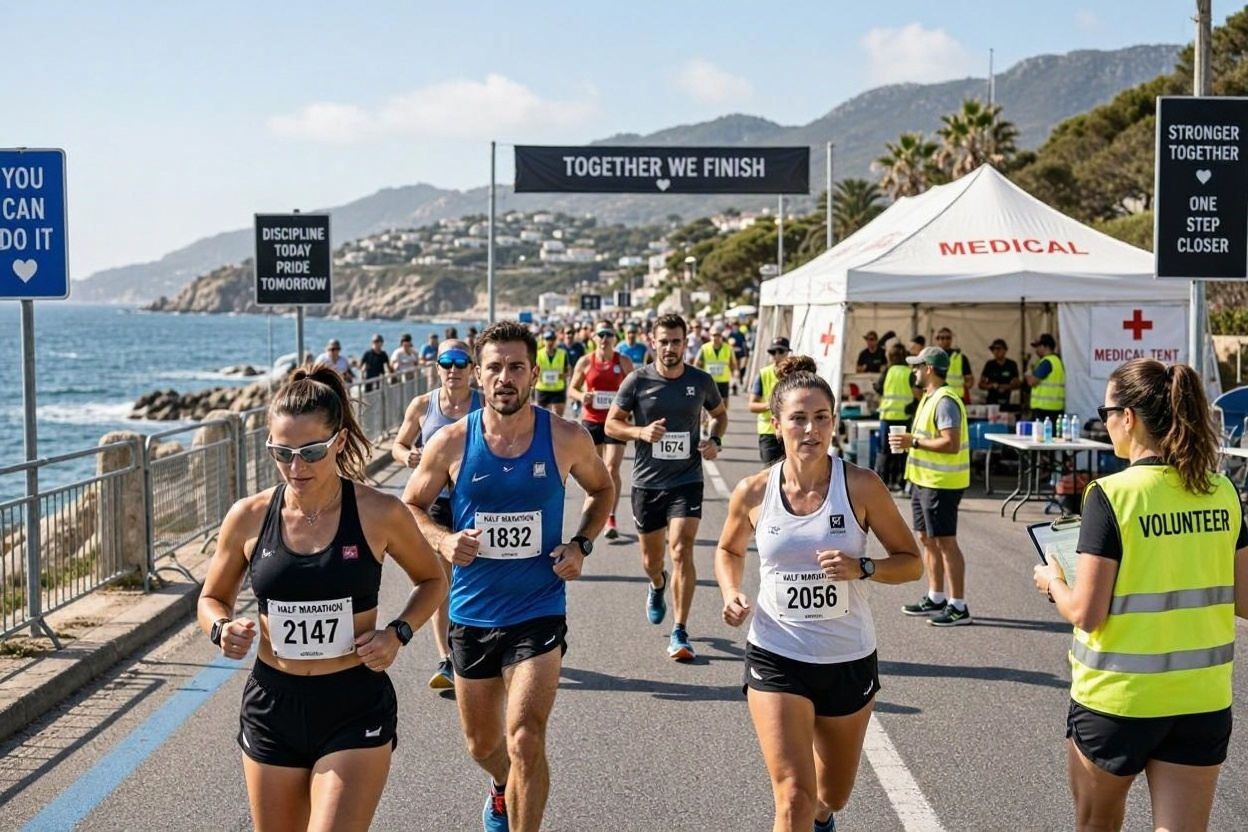
On a Sunday morning in Santa Barbara, the weather was unusually generous—the kind of warm, clear November day that feels like a gift until it doesn't. More than 4,600 runners set out for thirteen miles along the coast. By the time the race was over, twenty-seven of them had been taken to hospitals, and a community was left asking a question that had no easy answer: what went wrong?
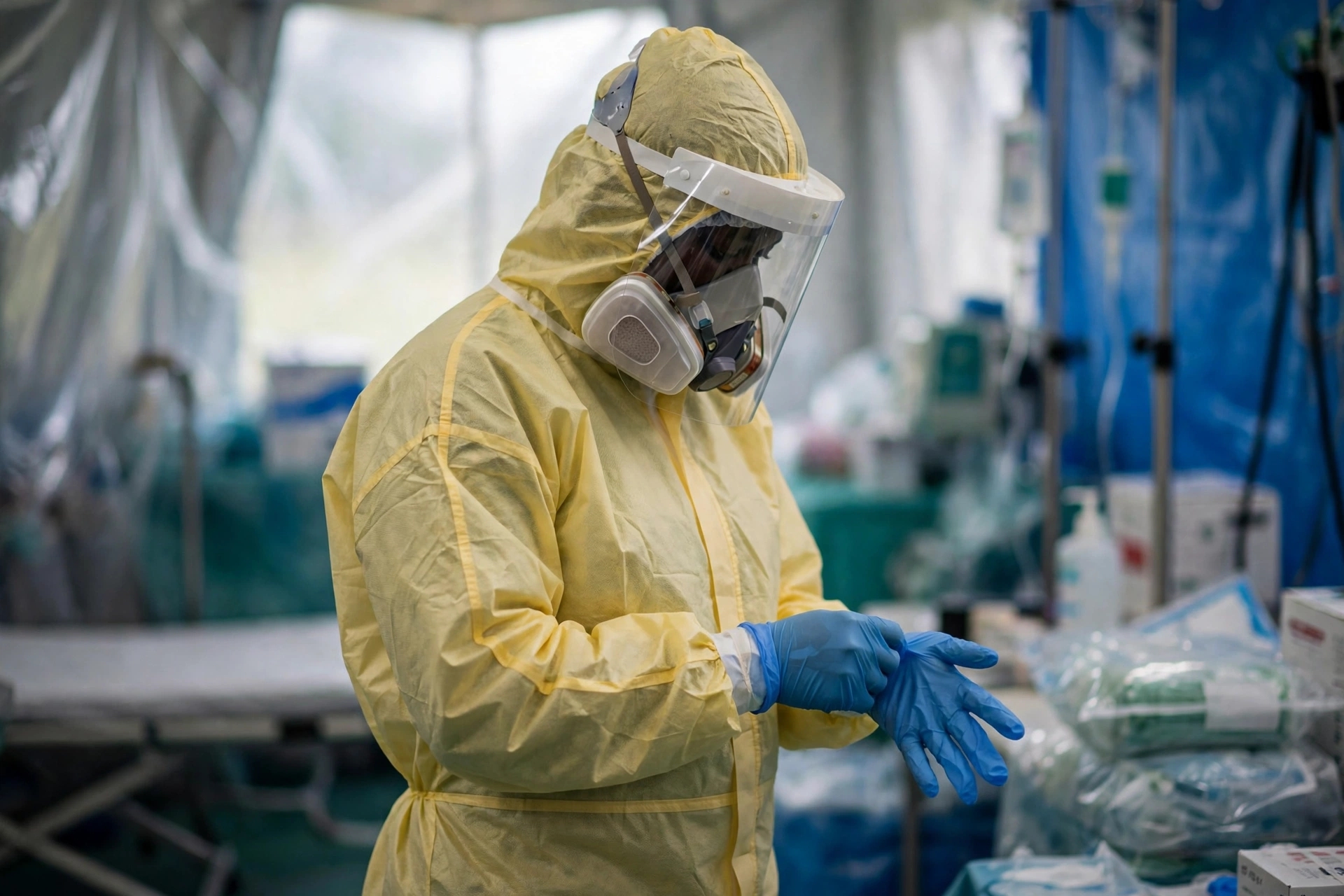
The first signals came from Cottage Health, which reported a "larger than expected number of emergency visits" involving patients with similar symptoms of undetermined cause. Santa Barbara police opened an investigation. Social media, as it does, filled the silence with speculation: contaminated water, tampered electrolyte drinks, something sinister at the hydration stations.
By Monday, health officials offered a quieter explanation. The Santa Barbara County Public Health Department said the illnesses appeared to be linked to heat and physical exertion during the race. Temperatures had reached about 80 degrees Fahrenheit by 10 a.m. and climbed into the mid-80s later in the day—roughly ten degrees warmer than typical for the annual November event. Of the twenty-seven runners hospitalized, twenty-four were treated and released. Three remained in stable condition.
The contamination rumors were investigated and largely set aside. County environmental health inspectors found no violations at the site where electrolyte drinks were prepared, and water supplies were properly packaged and stored. Race director David Monico said the medical team had treated numerous participants for dehydration and overheating, both on the course and at the finish line. "At this point we have no additional information to suggest that the issues some of the participants experienced were caused by anything other than endurance event exertion-related symptoms," organizers said in a statement.
However, not everyone was satisfied with the heat explanation. One mother told the California Post that her daughter, who had trained extensively, suddenly slowed down and later had no memory of crossing the finish line. Her Garmin tracker showed her pace dropping dramatically. "She said it felt like she was running through Jell-O," the mother said. She questioned whether heat alone could explain the severity of what happened to a prepared runner.
The investigation remains open. Police have not closed the file, and the precise cause of the symptoms has not been conclusively established. What is known is that a race designed to celebrate endurance became, for twenty-seven people, a test of something else entirely—the body's limits when the environment refuses to cooperate.
For now, the questions outnumber the answers. But the quiet consensus among officials is that this was an isolated event, connected to the conditions of the day and the demands of the distance, not a broader threat to the community. The runners who finished, and those who did not, will carry their own memories of a morning that began with promise and ended in hospital corridors.
The visual elements in this article were created using AI generation tools.
Published by Banx Network. This article is part of the Banx decentralized media programme, powered by the BXE token on the XRP Ledger.