Key Highlights
- Voters in Alaska rejected Measure 2, maintaining ranked choice voting.
- The election saw 53.5% voting against the repeal of the current system.
- This decision marks the second consecutive year that Alaskans have supported ranked choice voting.
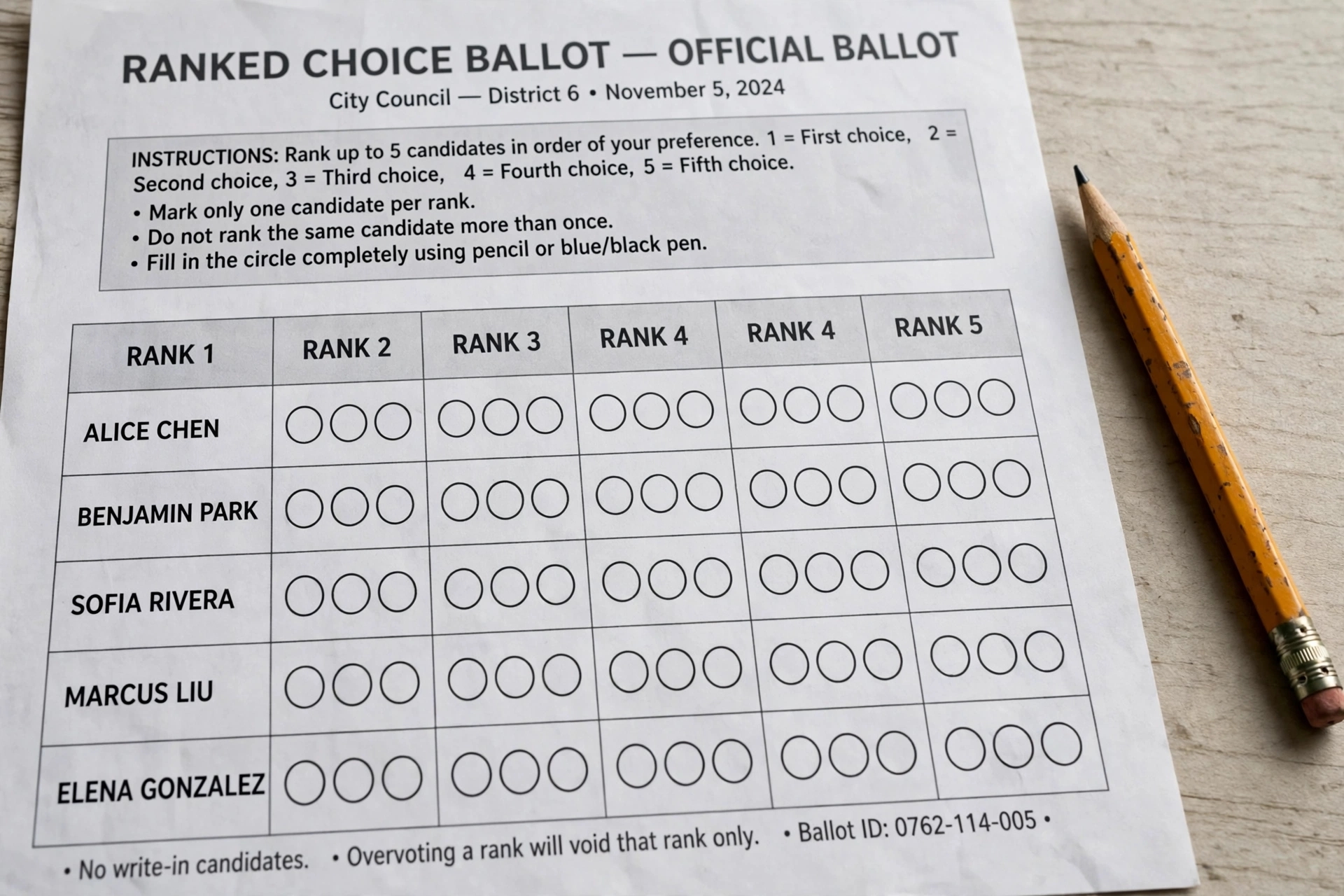
Alaska's recent election results have reaffirmed the state's commitment to ranked choice voting and open primaries, as voters decisively rejected Measure 2. This measure aimed to repeal the innovative voting system that was first adopted in 2020 and utilized in the 2022 elections. The results, announced on November 3, showed that 53.5% of voters opted to keep the current system, reflecting a growing acceptance of this electoral approach.
The open primaries allow all candidates to appear on a single ballot, with the top four advancing to a ranked choice general election. This method is designed to enhance voter choice and encourage candidates to appeal to a broader electorate. Supporters argue that it fosters coalition-building and moderates the political landscape, which has been characterized by bipartisan cooperation in recent years. The successful campaign against Measure 2 highlights a significant shift in voter sentiment towards embracing a more inclusive electoral process.
Opponents of the ranked choice system, including notable figures like former President Donald Trump and Elon Musk, have criticized it as confusing. Their arguments center on the complexity of ranked ballots compared to traditional voting methods. However, the results of this election suggest that many Alaskans value the freedom to choose candidates without party constraints, as articulated by Ruth Hall, deputy campaign manager for the No on 2 campaign. Hall emphasized that voters desire transparency in campaign financing and the ability to select the best candidates, regardless of their party affiliation.
The timing of this vote is particularly significant, as it coincides with Alaska's closely watched U.S. Senate race. Democrat Mary Peltola currently leads Republican incumbent Dan Sullivan, and if neither candidate secures over 50% of the vote, the ranked choice system will play a crucial role in determining the outcome. As of the latest updates, Peltola is at 49.8%, with a lead of over 10,000 votes, and ballots are still being accepted until Wednesday.
This election marks a pivotal moment for Alaska, as voters have now twice affirmed their support for ranked choice voting. The margin of victory, while comfortable, indicates that the debate over the system is far from over. Critics will likely continue to voice concerns about its complexity and potential confusion, ensuring that this issue remains a topic of discussion in future elections.
As Alaska moves forward, the implications of this decision will resonate throughout the state. The continuation of ranked choice voting means that voters will continue to engage with the electoral process in a way that encourages them to consider multiple candidates and their platforms. Whether this system will serve as a model for other states or remain an outlier is yet to be seen, but for now, Alaskans have made their choice clear: the current system stays, and they will have the opportunity to revisit this decision in future elections.
Published by Banx Network. This article is part of the Banx decentralized media programme, powered by the BXE token on the XRP Ledger.