Beneath the surface of our rivers and lakes, a silent chemical transformation is altering the fundamental behaviors of aquatic life. Recent studies have revealed that exposure to hormone-disrupting pollutants is causing male fish to become more aggressive while simultaneously diminishing their paternal instincts. This paradoxical shift highlights the complex and often unintended consequences of human waste entering natural ecosystems, disrupting the delicate balance of reproductive success and survival.
The pollutants in question are primarily synthetic estrogens and other endocrine-disrupting chemicals found in wastewater from pharmaceuticals, personal care products, and industrial processes. Even at low concentrations, these substances can mimic natural hormones, interfering with the biological signaling systems of fish. For male species that rely on specific hormonal balances to regulate behavior, this interference can lead to profound changes in how they interact with their environment and each other.
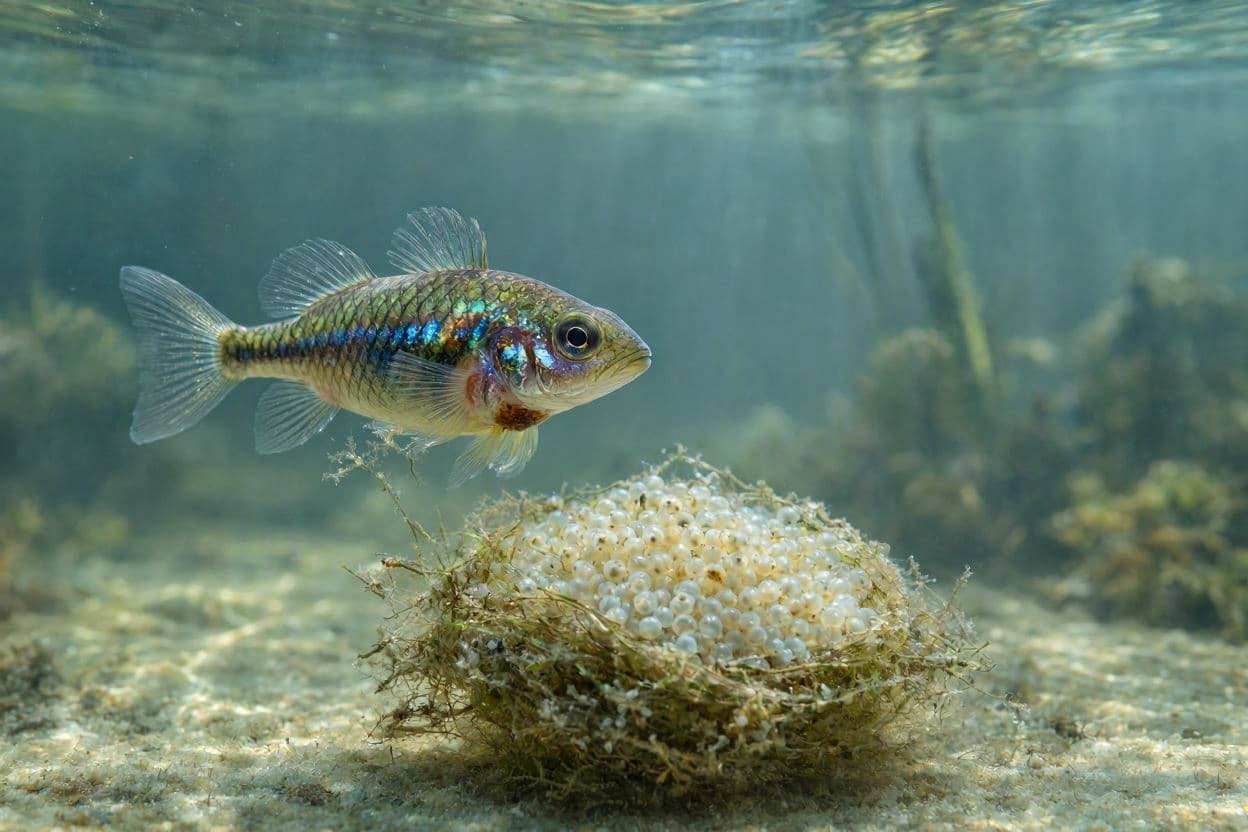
Researchers observed that exposed male fish displayed heightened aggression toward rivals, often engaging in unnecessary conflicts that drained energy and increased the risk of injury. This fiercer demeanor, however, did not translate into better mating success. Instead, the same males showed a marked decline in nest-building and egg-guarding behaviors. In many fish species, paternal care is crucial for the survival of offspring, and its absence can lead to significantly lower hatching rates.
The mechanism behind this behavioral split lies in the disruption of the brain’s hormonal receptors. Natural testosterone drives both aggression and parental care in many fish, but synthetic disruptors can decouple these traits. The result is an animal that is combative yet neglectful, a combination that is evolutionarily disadvantageous. This finding challenges the assumption that increased aggression always correlates with reproductive fitness, showing instead how pollution can create maladaptive traits.
For ecosystem health, the implications are concerning. If male fish fail to protect their eggs, population numbers may decline over time, affecting the food web and biodiversity. Predators that rely on these fish may face shortages, while the overall resilience of the aquatic community weakens. The ripple effects of such behavioral changes can extend far beyond the individual organisms, impacting the stability of entire habitats.
Wastewater treatment plants, while effective at removing solid waste, often struggle to filter out trace pharmaceuticals and hormones. Upgrading infrastructure to include advanced oxidation or activated carbon filtration could help reduce these contaminants. However, such improvements require significant investment and regulatory support, highlighting the need for a broader societal commitment to water quality.
Public awareness plays a vital role in addressing the source of the problem. Proper disposal of medications and choosing eco-friendly personal care products can reduce the load of endocrine disruptors entering the sewage system. Individual actions, when multiplied across communities, can lessen the burden on treatment facilities and protect downstream environments.
In the end, the story of the fiercer, poorer dad fish is a cautionary tale about the interconnectedness of human activity and nature. It reminds us that what we flush away does not simply disappear but returns to affect the living world in unexpected ways. By understanding these impacts, we can take steps to restore the hormonal harmony of our waters.
AI Image Disclaimer: The visual representations in this article are AI-generated illustrations designed to convey the themes of aquatic ecology and environmental science.
Sources: ScienceDaily, Environmental Science & Technology, University of Exeter, Nature Ecology & Evolution
Published by Banx Network. This article is part of the Banx decentralized media programme, powered by the BXE token on the XRP Ledger.