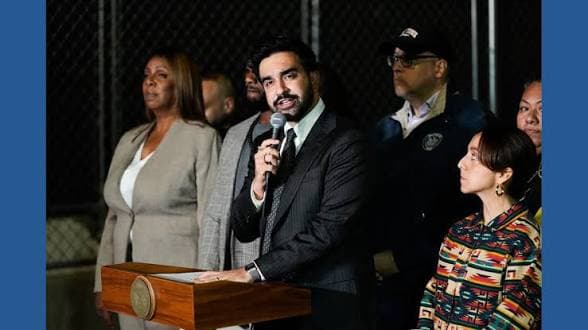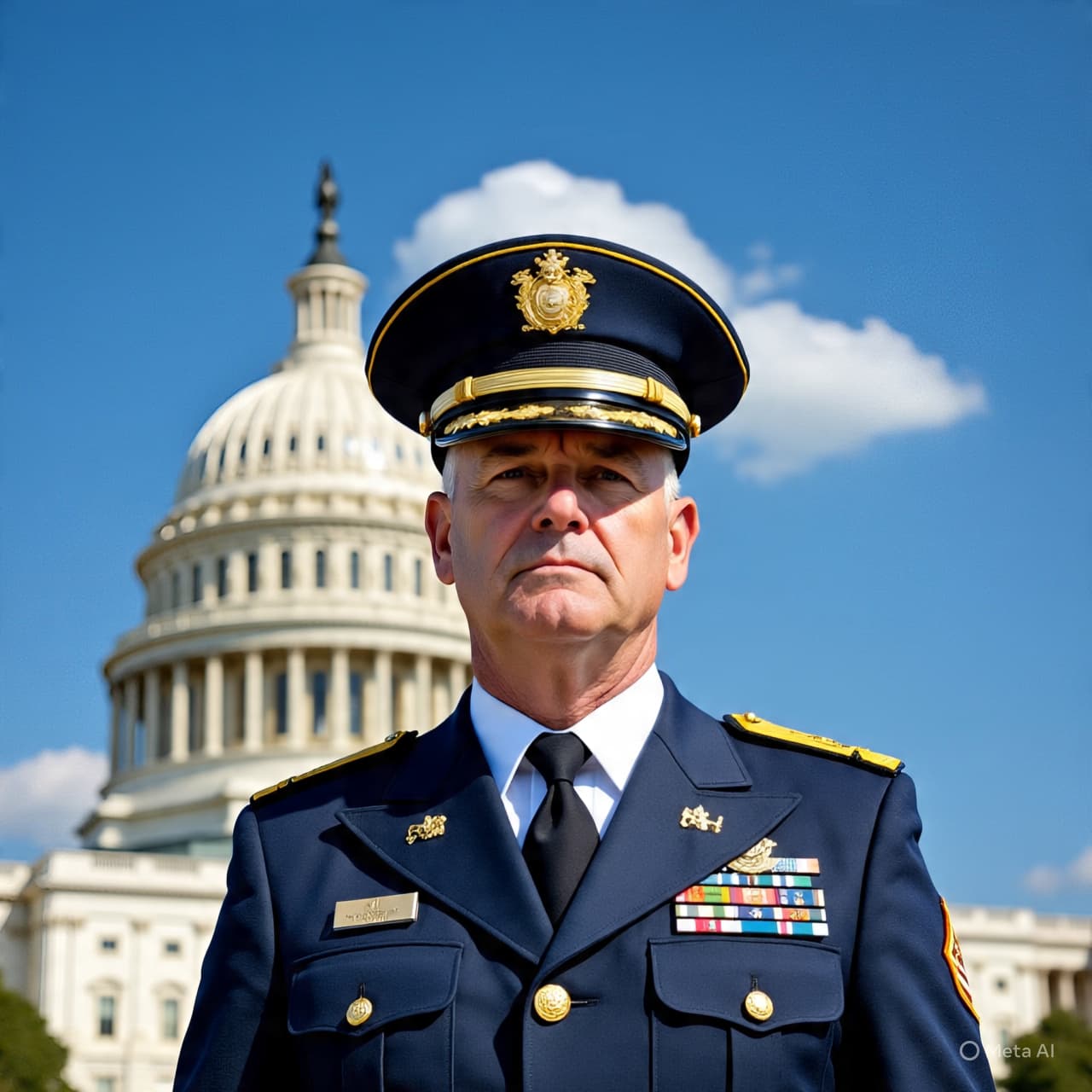
Like a weathered ship hugging a shore at dawn, years of service can leave deep impressions on the hearts of those who have devoted themselves to a life of duty. For Senator Mark Kelly, a retired U.S. Navy captain and former astronaut, those impressions are not merely lines on a chart but the story of a life shaped by flight suits, ship decks, and solemn oaths. Now, in the quiet but consequential halls of Washington, that legacy has met an unexpected gust — one that has pulled his past into the gaze of today’s fierce political winds.
In early January, Defense Secretary Pete Hegseth set into motion administrative action that could lead to a review of Kelly’s retired military rank and a reduction in his retirement pay. The catalyst for this move is a widely shared video from last November in which Kelly and several other lawmakers — each with military or intelligence experience — encouraged service members to refuse unlawful orders, reminding them of their constitutional oath. Hegseth described Kelly’s participation as “seditious” and damaging to military discipline, attaching a formal letter of censure to Kelly’s official military record as part of the process.
For Kelly, the action struck a deeply personal chord. In a measured but resolute statement, he reflected on decades of service — on combat missions, long absences from home, and the pride of wearing his nation’s emblem — and called the move an attempt to chill free speech among retired service members. He insisted that his rank and retirement were honors earned through sacrifice and commitment and pledged to fight the review process with all the resolve he could muster.
The clash highlights a seldom-seen tension between military accountability and First Amendment freedoms. Retired officers who draw military pensions do remain subject to certain codes of conduct, but legal experts have raised questions about whether actions taken in a civilian capacity — especially as a sitting senator — can fairly trigger such proceedings. Meanwhile, Kelly’s defenders argue that the very act of reminding troops to uphold lawful orders is consistent with both military tradition and constitutional principle, rather than a threat to discipline.
For his part, Hegseth has portrayed the step not as a political gesture but as a necessary assertion of military order, insisting that even retired officers must answer for what he termed reckless behavior. Whether this rare administrative measure will stand up to legal and constitutional scrutiny remains in question, but it has already stirred debate across political and legal circles.
In this unfolding chapter of public service and personal calling, there is a quiet, reflective lesson: that the paths we take in uniform and in public office can converge in unexpected ways, and that the currents of duty and dissent can carry us to shores we never fully anticipated.
AI Image Disclaimer *Visuals are created with AI tools and are not real photographs.*
Sources Reuters AP News NPR via multiple public radio outlets People Magazine The Guardian
Published by Banx Network. This article is part of the Banx decentralized media programme, powered by the BXE token on the XRP Ledger.