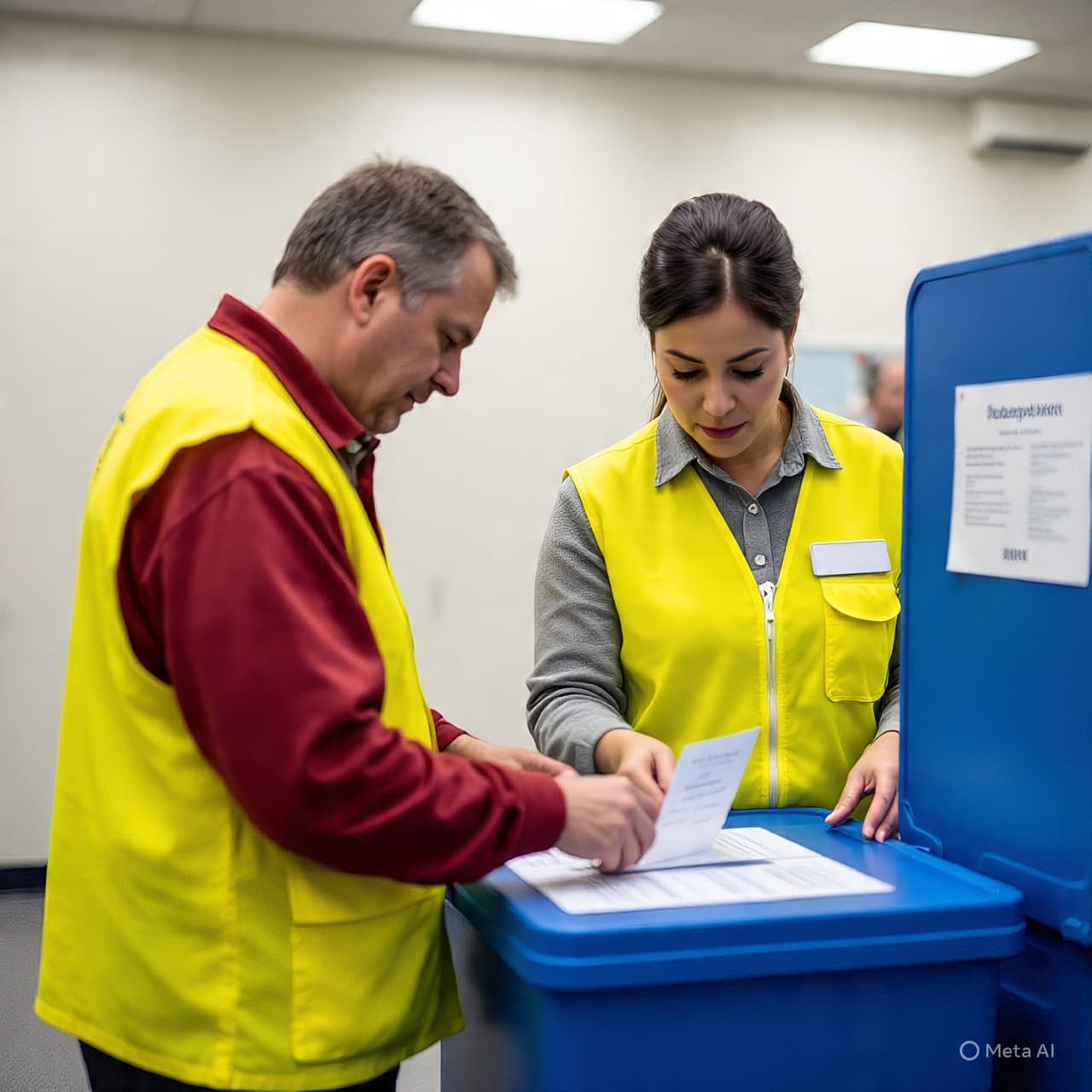
Morning light spreads slowly across Bangkok as polling stations open their doors, drawing voters from crowded neighborhoods and quiet provincial towns alike. The atmosphere is calm but expectant. After years marked by political turnover, economic uncertainty, and global instability, Thailand arrives at an election many see as a moment of reckoning.
The vote comes after a period of unusual leadership instability. Three prime ministers have taken office within three years, reflecting shifting alliances, court rulings, and fragile parliamentary balances. While political change has been frequent, a sense of continuity has been harder to find, leaving many citizens uncertain about the country’s long-term direction.
At the same time, the economy has struggled to regain momentum. Growth has remained modest compared with regional peers, weighed down by weak domestic demand, high household debt, and a slow recovery in key sectors such as tourism and exports. For many households, rising living costs and limited income growth have sharpened concerns about financial security.
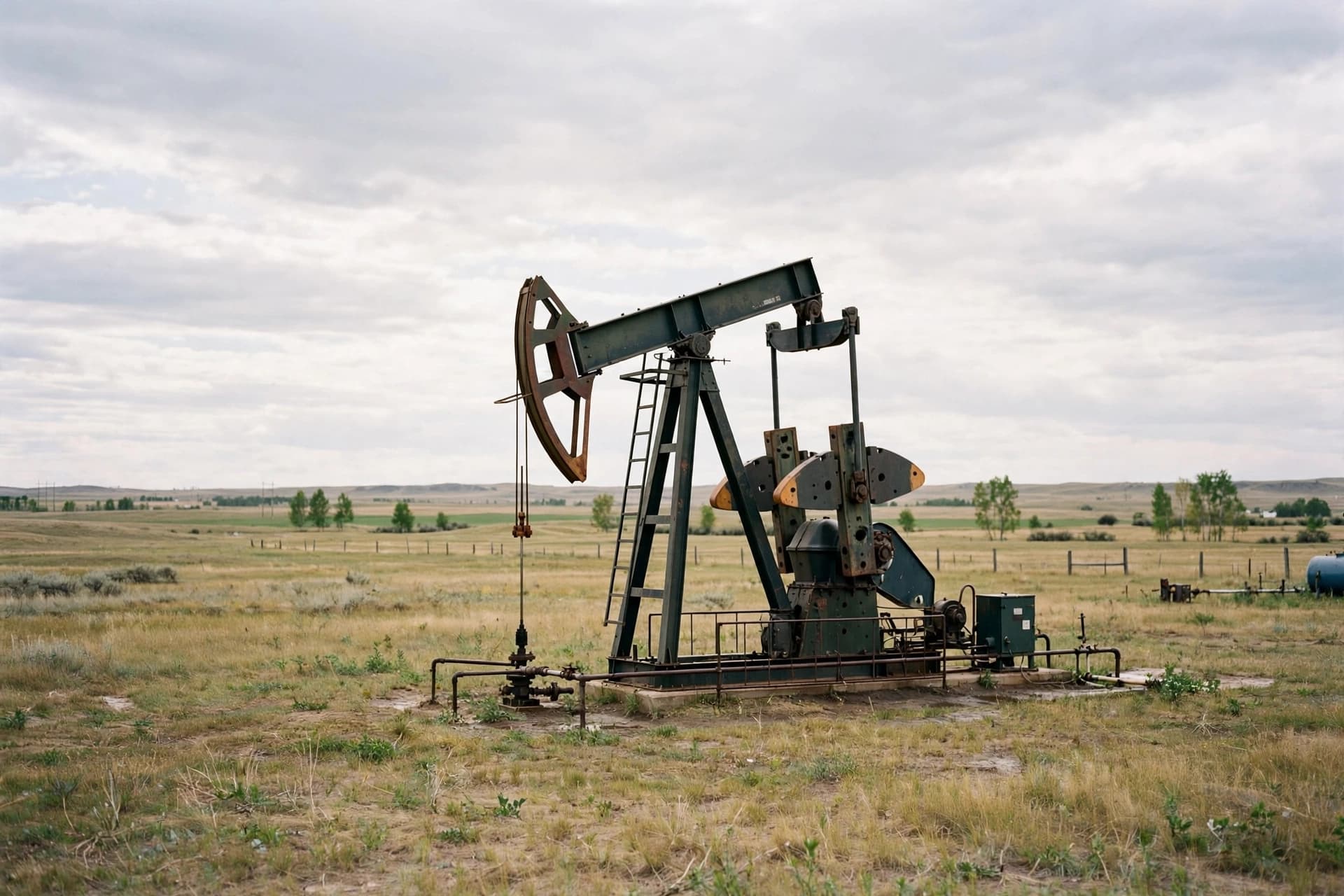
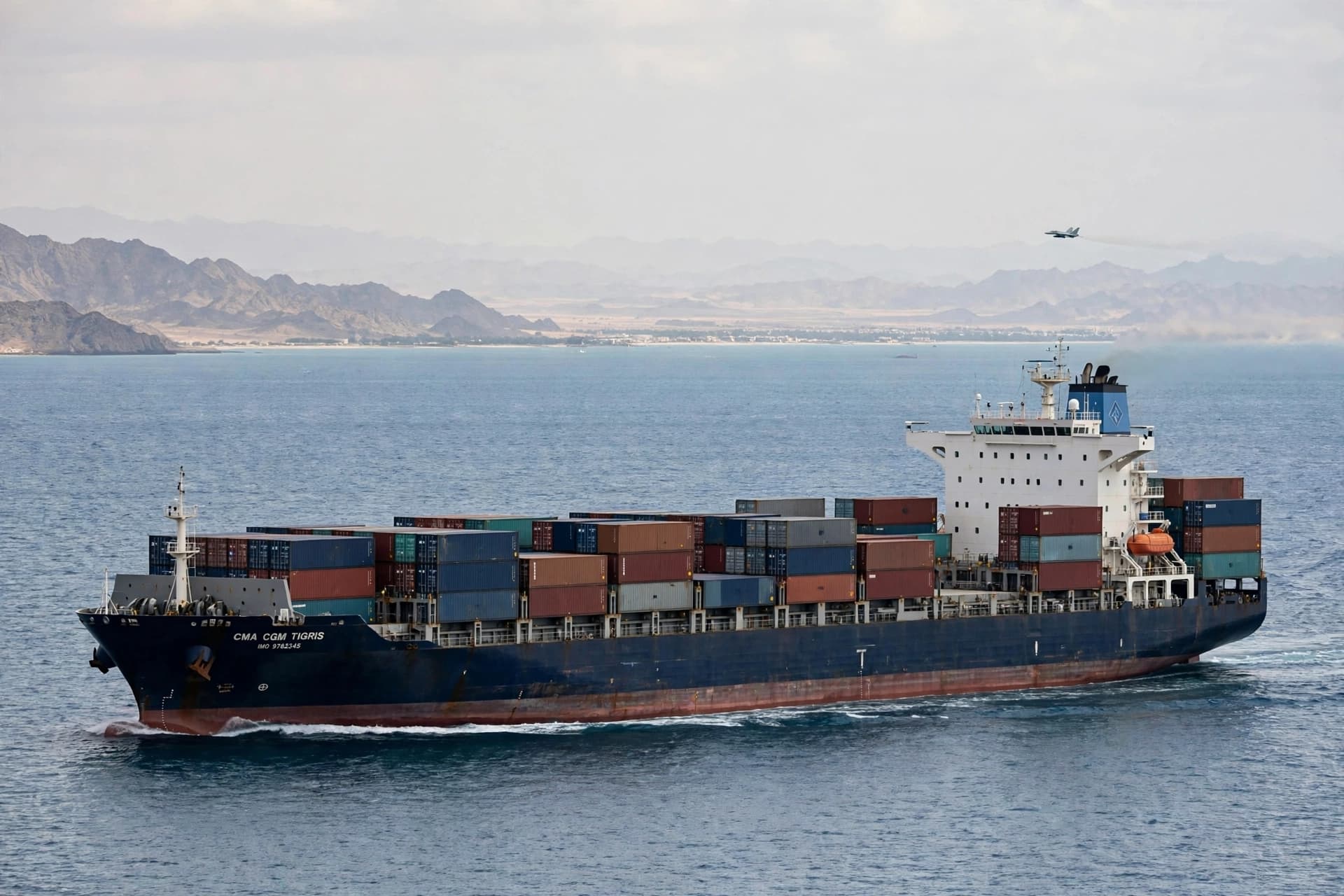
Global events have added another layer of pressure. The ongoing war in Ukraine has contributed to higher energy and commodity prices, affecting import costs and inflation. For a trade-dependent economy like Thailand’s, geopolitical tensions and slowing global demand have complicated the path toward recovery.
Against this backdrop, political parties have centered their campaigns on economic relief, job creation, and support for small businesses. Proposals range from stimulus measures and debt assistance to longer-term plans aimed at improving competitiveness and attracting investment. For voters, however, policy promises are only part of the calculation. Stability itself has become a central issue.
Many younger voters are watching closely, hoping for leadership that can balance economic opportunity with institutional confidence. Older voters, meanwhile, often emphasize predictability and steady governance after years of political shifts. Across generations, the election reflects a shared desire for clearer direction.
Turnout is expected to be closely watched as an indicator of public engagement. In both urban centers and rural political strongholds, local officials have encouraged participation, framing the vote as an opportunity to shape the country’s next phase.
Whatever the outcome, the challenges ahead are likely to extend beyond any single administration. Reviving growth, managing public finances, and navigating an uncertain global environment will require sustained policy focus and political cooperation.
As ballots are cast and counted, the election represents more than a contest for power. It is a measure of public confidence at a time when Thailand, like many countries, is searching for steadiness in a world that has become less predictable.
Published by Banx Network. This article is part of the Banx decentralized media programme, powered by the BXE token on the XRP Ledger.