
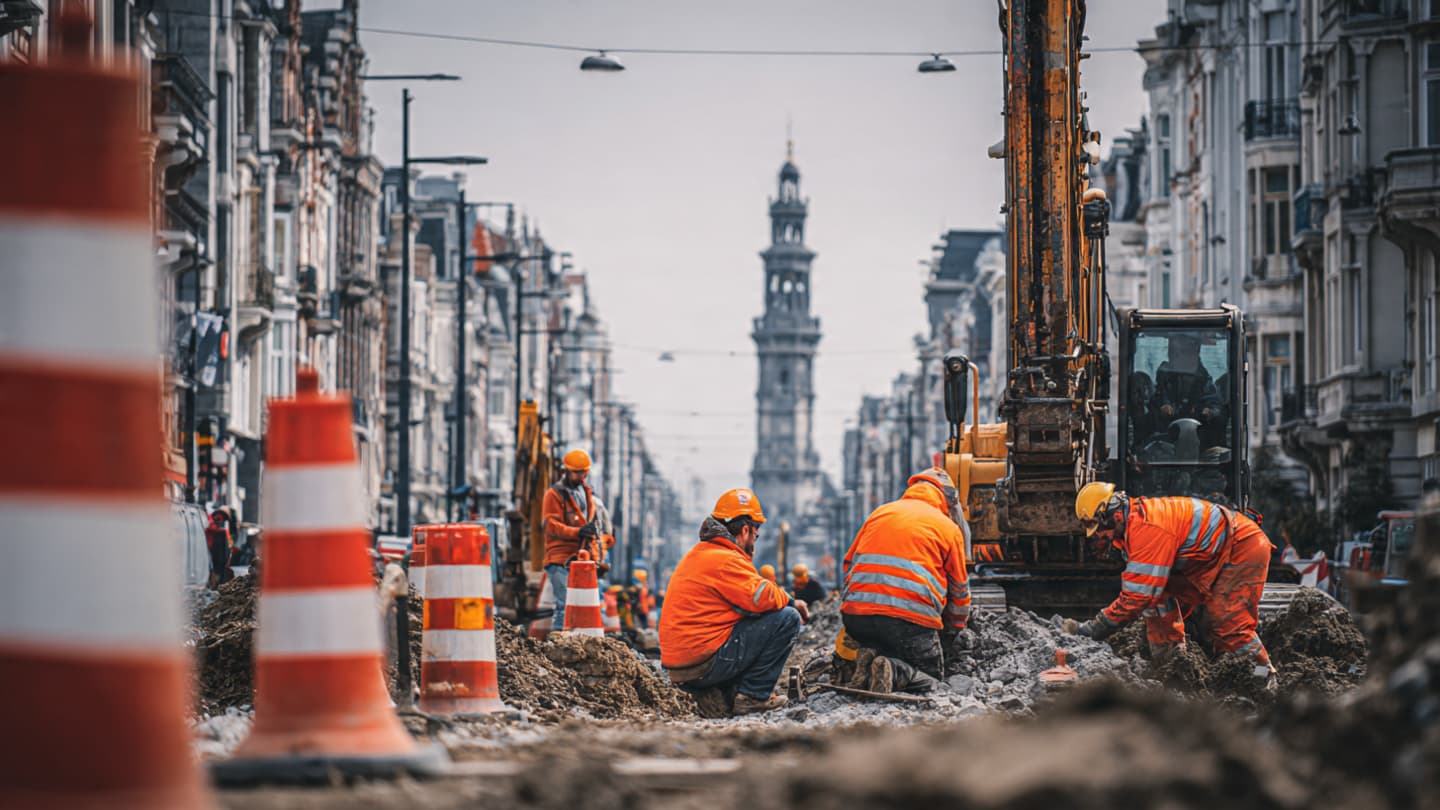
When conflict captures global attention, the focus often settles on events unfolding in the present moment. Yet beyond every headline lies another story—one concerned not with destruction, but with recovery. Roads must be repaired, schools reopened, hospitals restored, and communities supported as they attempt to rebuild daily life. It is within this broader context that France has expressed support for expanded international funding dedicated to Ukraine’s recovery and humanitarian programs.
The effort reflects a growing recognition that reconstruction requires long-term commitment. While emergency assistance remains vital, recovery programs increasingly focus on helping communities regain stability and restore essential services. Infrastructure, healthcare, education, and local economic activity all play important roles in this process.
France has joined other international partners in supporting initiatives designed to strengthen recovery efforts. Such programs typically involve cooperation between governments, international financial institutions, humanitarian organizations, and development agencies. The objective is to ensure that assistance addresses both immediate needs and longer-term challenges.
Across Ukraine, rebuilding efforts continue in areas affected by years of disruption. Communities face varying degrees of damage, with some requiring extensive reconstruction while others focus on restoring public services and economic activity. Recovery programs seek to provide resources that can support these diverse needs.
Funding commitments often extend beyond physical infrastructure. Humanitarian assistance remains an important component of recovery strategies, particularly for vulnerable populations affected by displacement, economic hardship, or limited access to services. Support programs frequently include healthcare initiatives, housing assistance, and community development projects.
France has emphasized the importance of international cooperation throughout the recovery process. Large-scale reconstruction efforts require expertise, financing, and coordination across multiple sectors. Collaborative approaches help maximize resources while supporting efficient implementation of projects.
Observers note that recovery is rarely a linear process. Economic conditions, security considerations, and logistical challenges can influence progress. Nevertheless, sustained international engagement can help create conditions that encourage stability and long-term development.
Investment in recovery also carries broader significance. Rebuilding infrastructure and public services contributes to economic resilience, supports employment opportunities, and strengthens local communities. Such efforts can help lay foundations for future growth while addressing the immediate consequences of conflict.
International institutions continue to play a central role in coordinating support and identifying priorities. By aligning funding with specific needs, organizations seek to ensure that assistance delivers meaningful and measurable outcomes for affected populations.
As France supports expanded recovery funding, the initiative highlights an important reality: the end goal of humanitarian assistance is not merely survival, but the restoration of opportunity and normalcy. Recovery may unfold gradually, but each project, service, and investment contributes to a larger effort aimed at helping communities move forward.
AI IMAGE DISCLAIMER
Illustrations were produced with AI and serve as conceptual depictions.
SOURCE CHECK
Reuters AFP European Commission France 24 World Bank
Published by Banx Network. This article is part of the Banx decentralized media programme, powered by the BXE token on the XRP Ledger.

.jpg&w=3840&q=75 "Blake Lively Awarded $400,000 in Legal Fees After Justin Baldoni Lawsuit Dismissed")
