In the soft lull that follows a storm, there is often a moment when the world feels deceptively calm. Yet beneath that quiet surface, new dangers begin to stir. In Jamaica, where Hurricane Melissa’s violent winds and relentless rain carved deep wounds into communities, the still water left behind has now given rise to a different kind of threat — a deadly outbreak of leptospirosis.
Health officials have confirmed that the bacteria, carried through water contaminated by the urine of infected animals, has spread quickly in the weeks after the hurricane. Nine confirmed infections, dozens more suspected cases, and several deaths have renewed concern across the island. The numbers are not just statistics; they are reminders of how disaster sometimes arrives twice — first with wind and flood, then with the hidden hazards left in their wake.
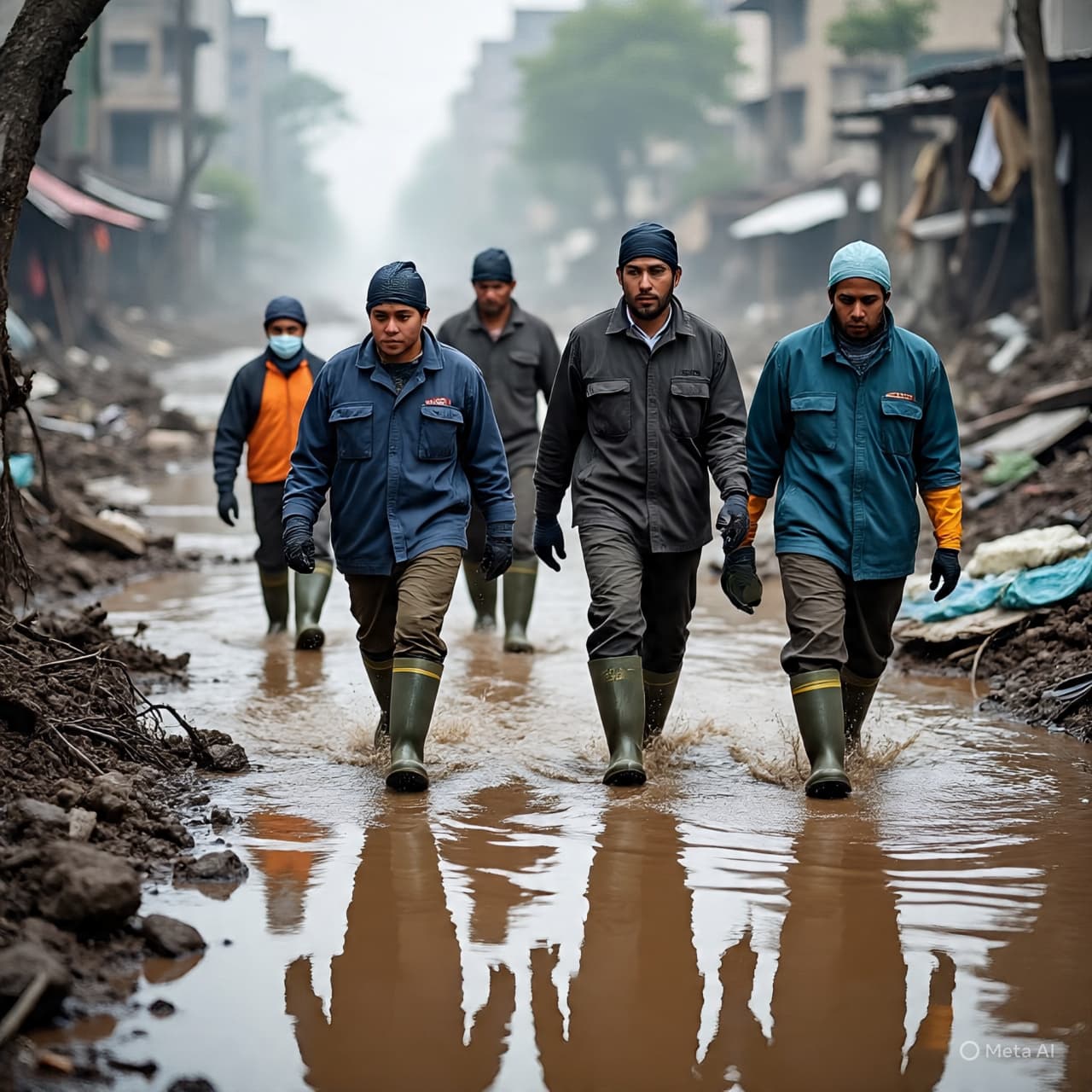
The outbreak has struck hardest in areas where Melissa’s flooding lingered, forming stagnant pools that invite contamination. For residents engaged in the weary work of clearing debris, repairing homes, and walking through muddy streets, the exposure is nearly unavoidable. Officials have quietly emphasized this: leptospirosis does not announce itself with spectacle. It slips into the body through small cuts, through bare feet in murky water, through simple contact with a puddle that seems harmless.
Hospitals, already strained by post-storm injuries and infrastructure damage, now face the added pressure of rising infections. Doctors warn that early symptoms — fever, chills, muscle pain — mimic other tropical illnesses, which can delay recognition. When untreated, the disease can escalate into kidney failure, liver complications, or fatal bleeding. It is a danger that grows silently, often discovered too late.
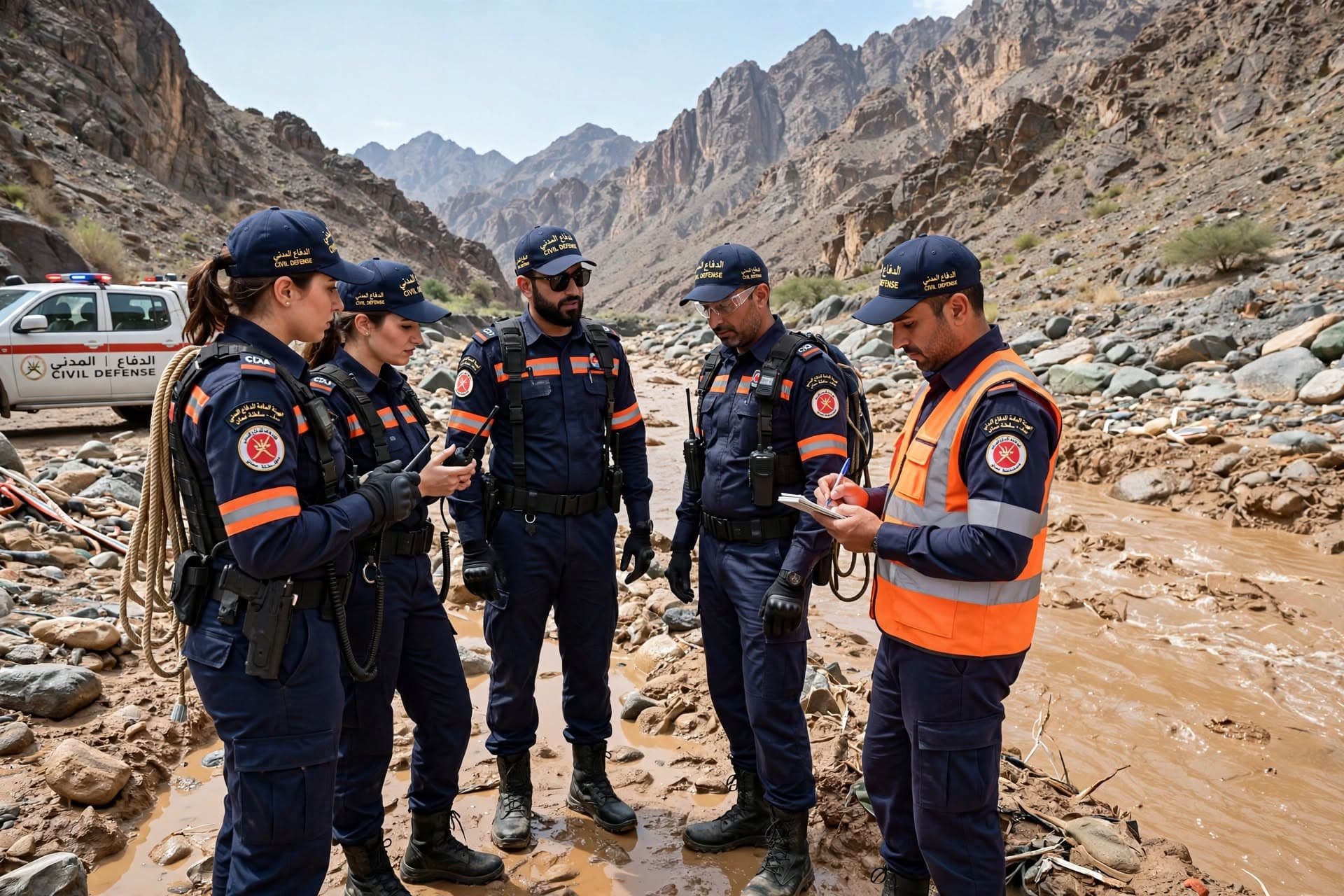
And yet, within this sobering moment, Jamaica’s public-health workers move with steady resolve. Field teams are navigating affected parishes, urging residents to seek care at the first signs of illness. They carry protective gear, distribute guidance, and remind communities that recovery from a hurricane is not just about clearing broken boards or repairing roads — it is about watching the water itself, the invisible risks it may hold, and the lives it might threaten.
AI IMAGE DISCLAIMER “Graphics are AI-generated and intended for representation, not reality.”
SOURCES Reuters Jamaica Observer Jamaica Gleaner LiveMint Loop Jamaica
Published by Banx Network. This article is part of the Banx decentralized media programme, powered by the BXE token on the XRP Ledger.