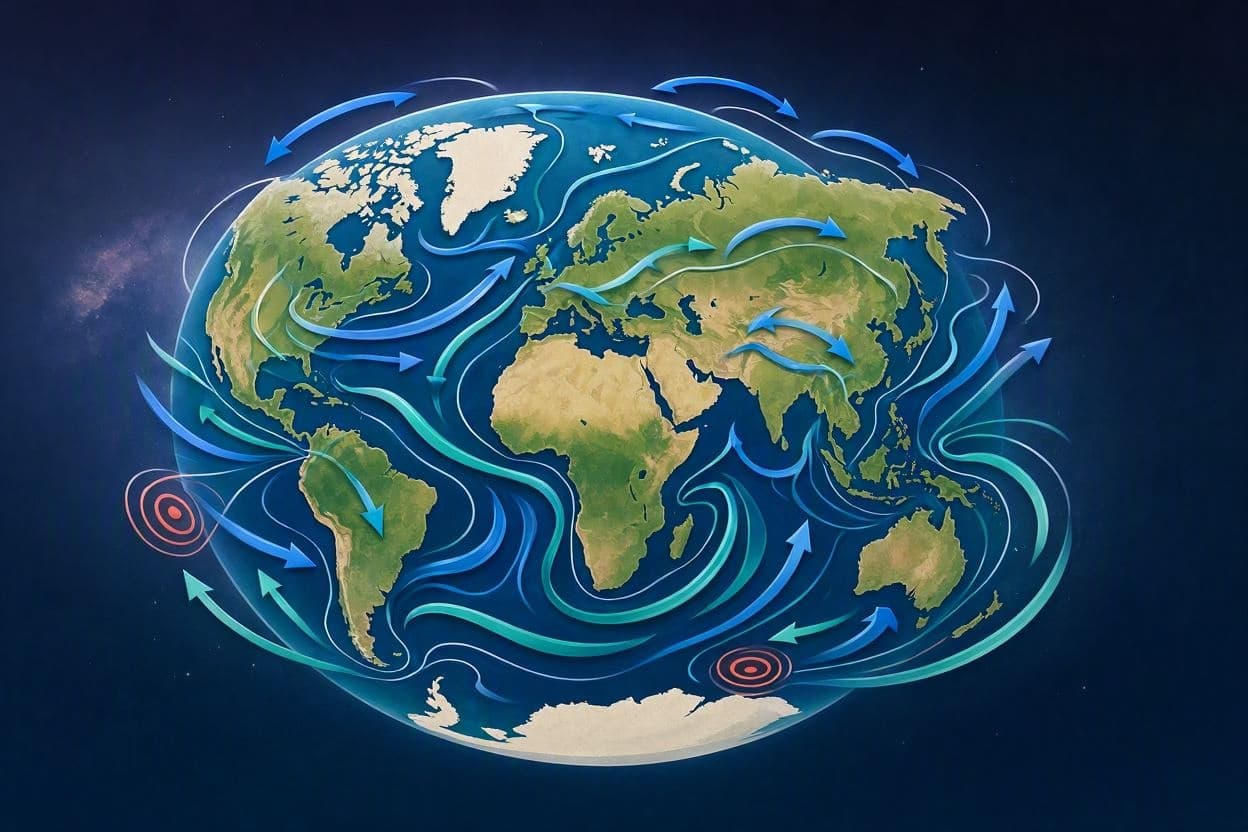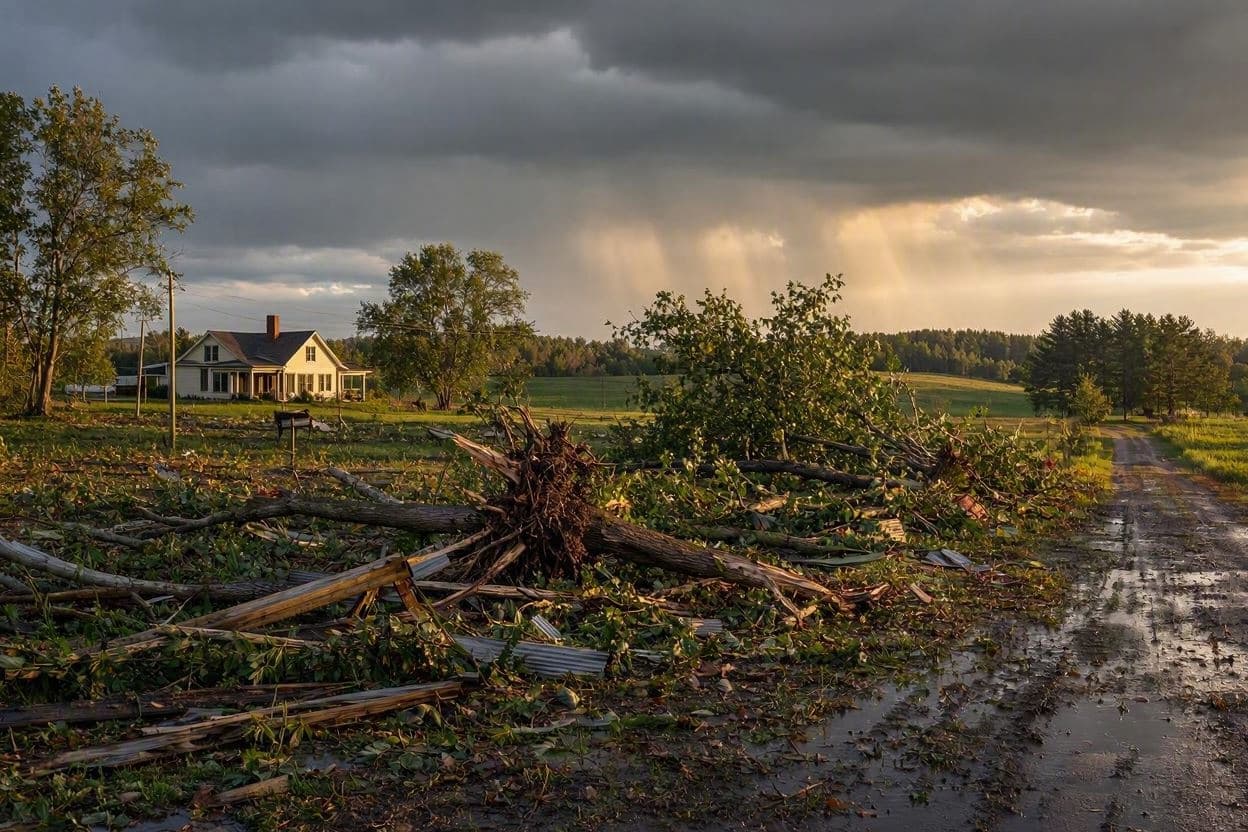
Nature’s power is both beautiful and humbling, capable of transforming a peaceful evening into a scene of sudden disruption. In Huron and Perth counties, residents are still picking up the pieces after severe storms swept through the region, leaving behind a trail of damage that included confirmed tornadoes and downbursts. The event serves as a stark reminder of the volatility of weather patterns in southwestern Ontario.
The Northern Tornadoes Project, a research initiative based at Western University, confirmed the presence of multiple tornadoes and downbursts from the storms that occurred in early September. These findings are not just academic; they validate the experiences of residents who witnessed roofs torn off, trees uprooted, and debris scattered across fields and neighborhoods. The confirmation brings clarity to the chaos, helping communities understand the scale of what they endured.
One of the confirmed tornadoes touched down near Tavistock, rated as an EF1, while a downburst in the same area was classified as EF0. Another tornado was identified in Kuhryville, north of Stratford. These classifications help meteorologists and emergency planners assess risk and improve warning systems, but for those affected, the labels matter less than the recovery process that lies ahead.
The storms struck with little warning for some, highlighting the challenges of predicting localized severe weather. While broader warnings were issued, the rapid development of these cells meant that minutes mattered. Community response was swift, with neighbors helping neighbors, local authorities clearing roads, and utility crews working tirelessly to restore power to thousands of homes.
In the aftermath, the focus shifts from shock to resilience. Farmers assess crop damage, homeowners repair structures, and communities come together to support those most impacted. The psychological toll is also significant, as the sense of safety is temporarily shaken. Yet, there is a strength in shared experience, a collective determination to rebuild and prepare for future events.
Climate scientists note that while individual storms cannot be solely attributed to climate change, the frequency and intensity of severe weather events are trends worth monitoring. For regions like Huron and Perth, this means investing in better infrastructure, enhancing emergency preparedness, and staying informed through reliable weather services. Knowledge is a key tool in mitigating risk.
As life slowly returns to normal, the confirmed data from the Northern Tornadoes Project provides a foundation for learning and improvement. The storms in Huron-Perth are a chapter in the ongoing story of human adaptation to natural forces, a story written with courage, community, and caution.
The images accompanying this report are AI-generated illustrations intended to visualize the context of the article.
Sources: Northern Tornadoes Project (Facebook/X), CKNX News Today, CTV News Guelph, Ontario Storm Forecast Service
Published by Banx Network. This article is part of the Banx decentralized media programme, powered by the BXE token on the XRP Ledger.