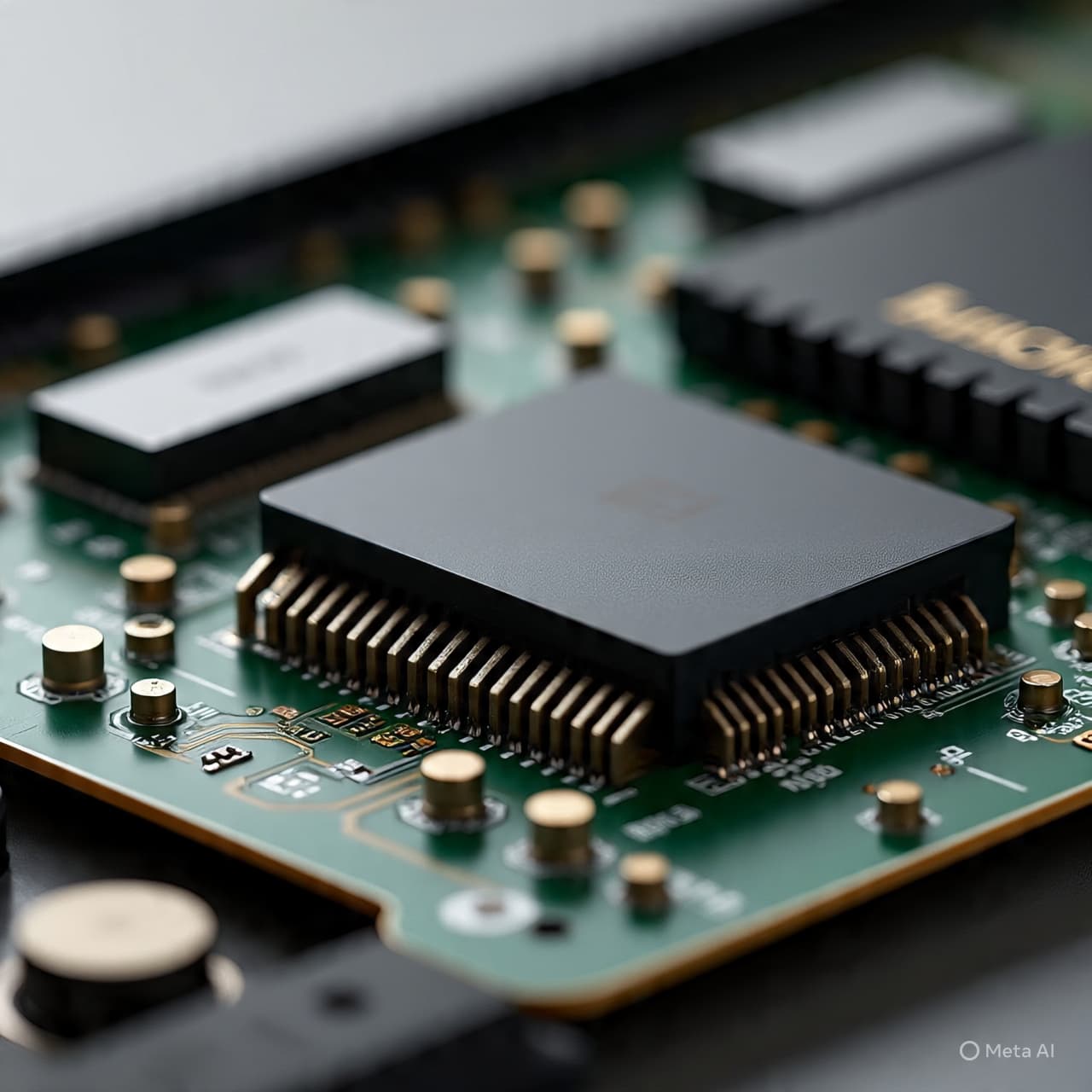
Comebacks in technology rarely announce themselves with fireworks. More often, they arrive as something subtler: a machine that feels faster than expected, a fan that spins less often, a battery that lasts longer than habit predicts. Intel’s Panther Lake laptop processors enter the market carrying that quiet kind of ambition.
For several years, Intel’s mobile chips have lived under a cloud of comparison. Competitors set new standards for efficiency, thermals, and integrated graphics, while Intel appeared caught between architectural transitions and manufacturing realities. Panther Lake does not erase that history, but it does suggest a turning of the page.
Early reviews describe performance that feels measured rather than desperate. CPU gains are incremental but consistent, especially in sustained workloads where thermal management matters as much as raw speed. In thin-and-light laptops, Panther Lake shows an improved balance between responsiveness and restraint, avoiding the aggressive power spikes that once defined Intel’s mobile behavior.
Efficiency is the more telling shift. Battery life improvements are not dramatic enough to rewrite expectations, but they are noticeable. Systems stay cooler under everyday use, and idle power draw appears better controlled. These details matter in laptops, where comfort and endurance often outweigh benchmark wins.
Integrated graphics, long a weak point, have also edged forward. They are not positioned to replace discrete GPUs, but they are competent enough for creative work, casual gaming, and modern displays without apology. The experience feels rounded, less compromised.
None of this makes Panther Lake a revolution. It does not suddenly leapfrog every rival or redefine mobile computing. Instead, it restores something Intel has been missing: credibility. The sense that its roadmap is coherent, its execution steadier, its products aligned with how laptops are actually used.
In that way, Panther Lake reads less like a triumphant return and more like a regained rhythm. For Intel, that may be the more important achievement. In an industry that remembers missteps longer than successes, a dependable processor can be a powerful statement. Sometimes, a comeback is simply showing up and getting the fundamentals right.
AI Image Disclaimer Visuals are AI-generated and serve as conceptual representations.
Sources Reuters AnandTech The Verge Tom’s Hardware
Published by Banx Network. This article is part of the Banx decentralized media programme, powered by the BXE token on the XRP Ledger.