There are endings in Earth’s history that arrive with such force they seem to close every door at once. The close of the Cretaceous–Paleogene extinction event was one such moment—an abrupt dimming of life’s abundance, when skies darkened, temperatures shifted, and entire lineages disappeared into silence. Yet even within that vast unraveling, some forms endured, moving quietly through the margins of change.
Among them were turtles—creatures already ancient by that time, their lineage shaped by water, patience, and resilience. Recent research suggests that certain groups, particularly those capable of cracking hard-shelled prey, persisted through the extinction in ways that now offer clues to survival itself.
These turtles, often inhabiting freshwater environments, possessed specialized jaws capable of crushing mollusks and other durable food sources. In the shifting aftermath of the extinction, when ecosystems were disrupted and many food chains collapsed, such adaptability may have mattered more than strength or speed. Where other species depended on more fragile or specific ecological relationships, these turtles could turn to resources that remained available—organisms protected by shells, yet not beyond reach.
The findings contribute to the broader understanding of extinction dynamics within paleontology and evolutionary biology. Survival, it appears, was not determined by a single trait, but by a combination of factors: habitat, diet, physiology, and perhaps a degree of ecological flexibility that allowed certain species to navigate rapid environmental change.
Freshwater systems, in particular, may have offered a form of refuge. Compared to terrestrial environments, which were more immediately and severely affected by atmospheric changes following the impact, rivers and lakes could buffer some of the disruption. Within these waters, turtles found conditions that, while altered, remained viable. Their ability to feed on hard-shelled organisms added another layer of resilience, reducing dependence on food sources that may have vanished.
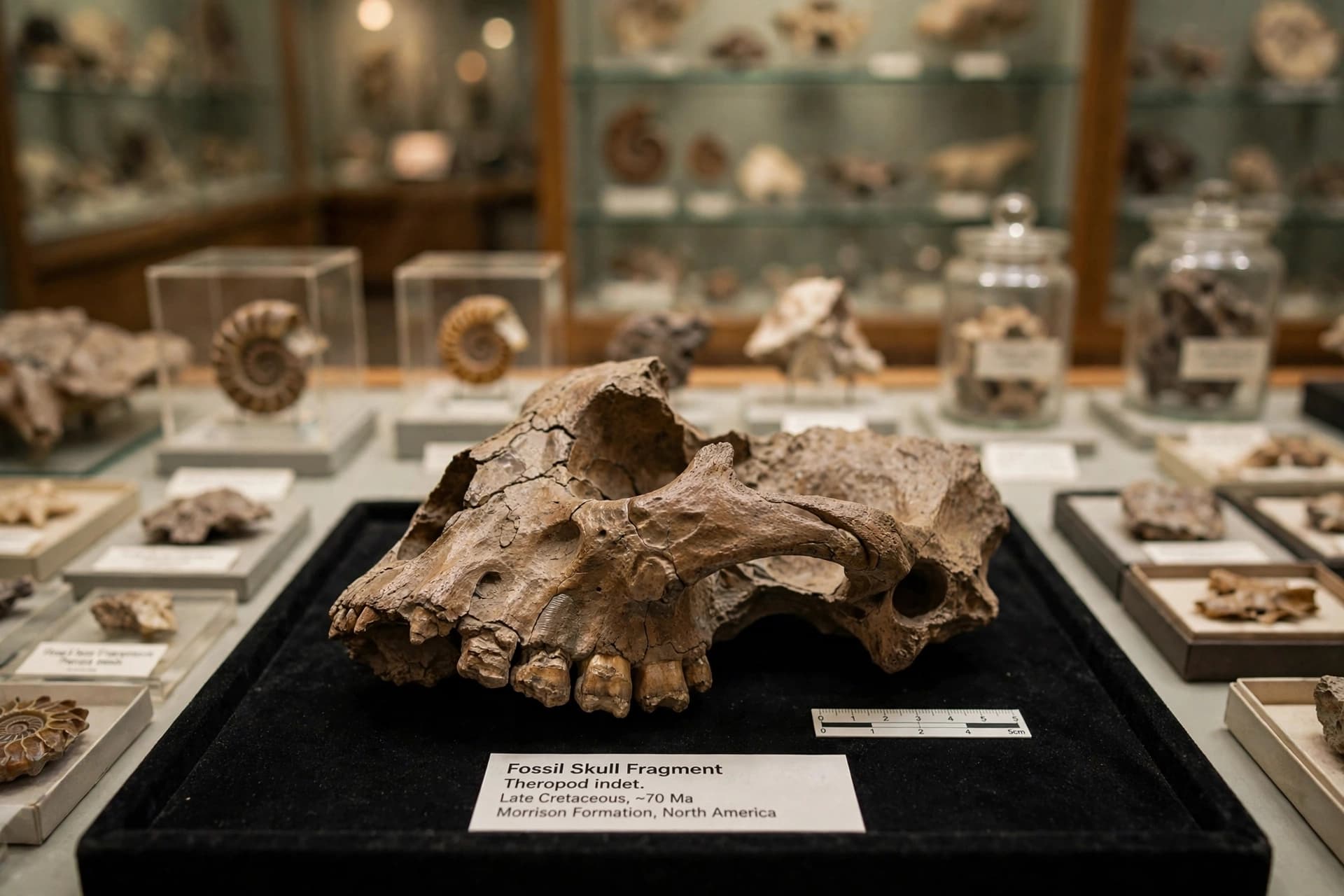
Fossil evidence supports this picture, revealing continuity in turtle lineages across the boundary that marks the extinction. While many reptilian groups declined or disappeared, these turtles maintained their presence, carrying forward anatomical traits that had proven effective in a world transformed.
There is a quiet quality to this kind of endurance. It does not reshape the narrative of extinction, nor does it diminish its scale. Instead, it offers a narrower, more focused perspective—one that considers how life persists not in defiance of change, but through accommodation to it. The turtles did not overcome the extinction in any dramatic sense; they passed through it, sustained by traits that aligned with the conditions that followed.
In this, their story becomes less about survival as triumph and more about continuity as possibility. The ability to crush a shell, to inhabit water, to adapt without excess—these were not extraordinary in themselves. Yet in the context of a world undergoing rapid collapse, they became sufficient.
Researchers report that shell-cracking turtles survived the end-Cretaceous mass extinction, likely aided by their dietary flexibility and freshwater habitats. Fossil records show continuity of these turtle groups across the extinction boundary, providing insight into how certain species endured while others disappeared.
AI Image Disclaimer
Images are AI-generated to visualize scientific findings and are not real historical depictions.
Sources
Nature Science Proceedings of the National Academy of Sciences Smithsonian Magazine National Geographic
Published by Banx Network. This article is part of the Banx decentralized media programme, powered by the BXE token on the XRP Ledger.