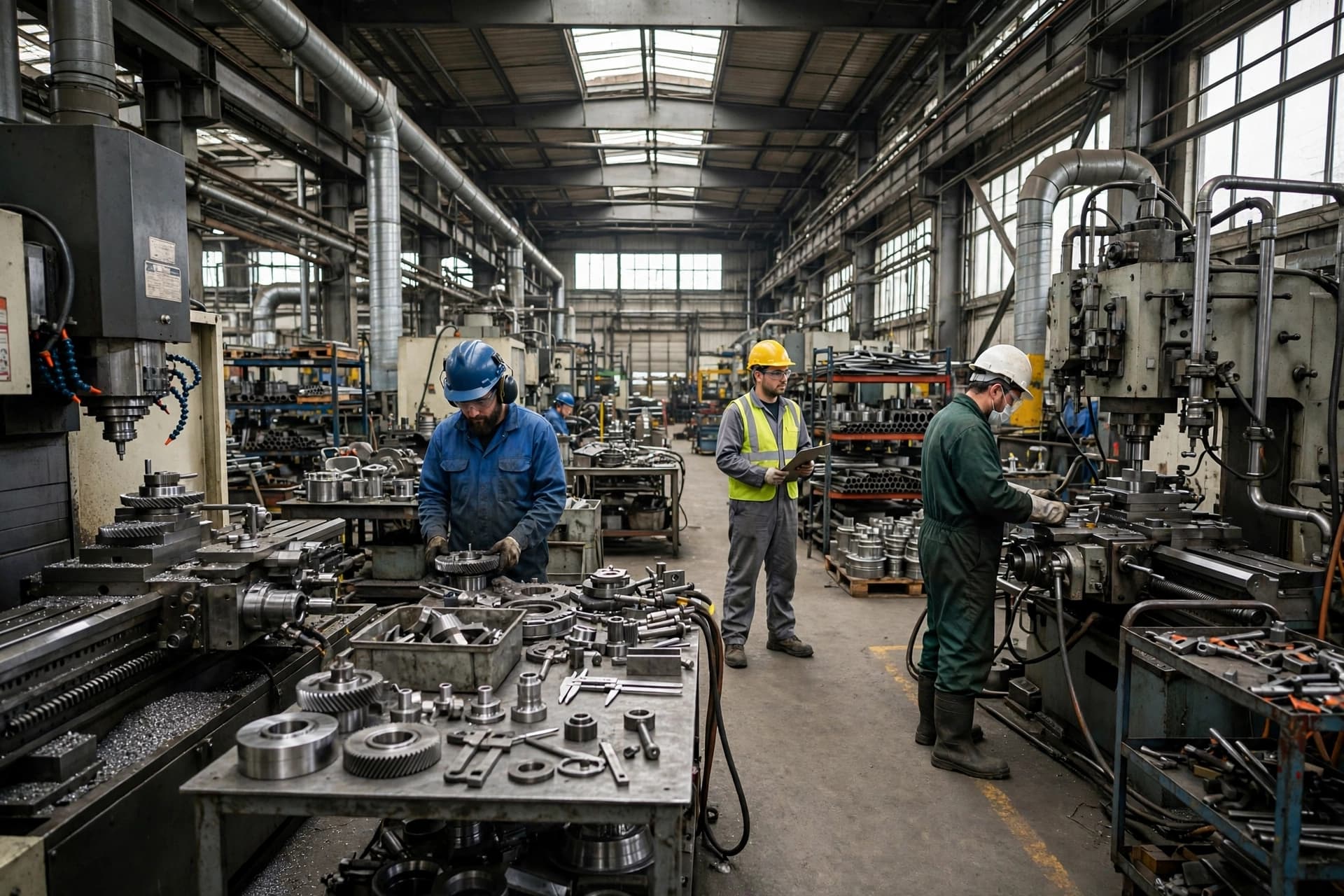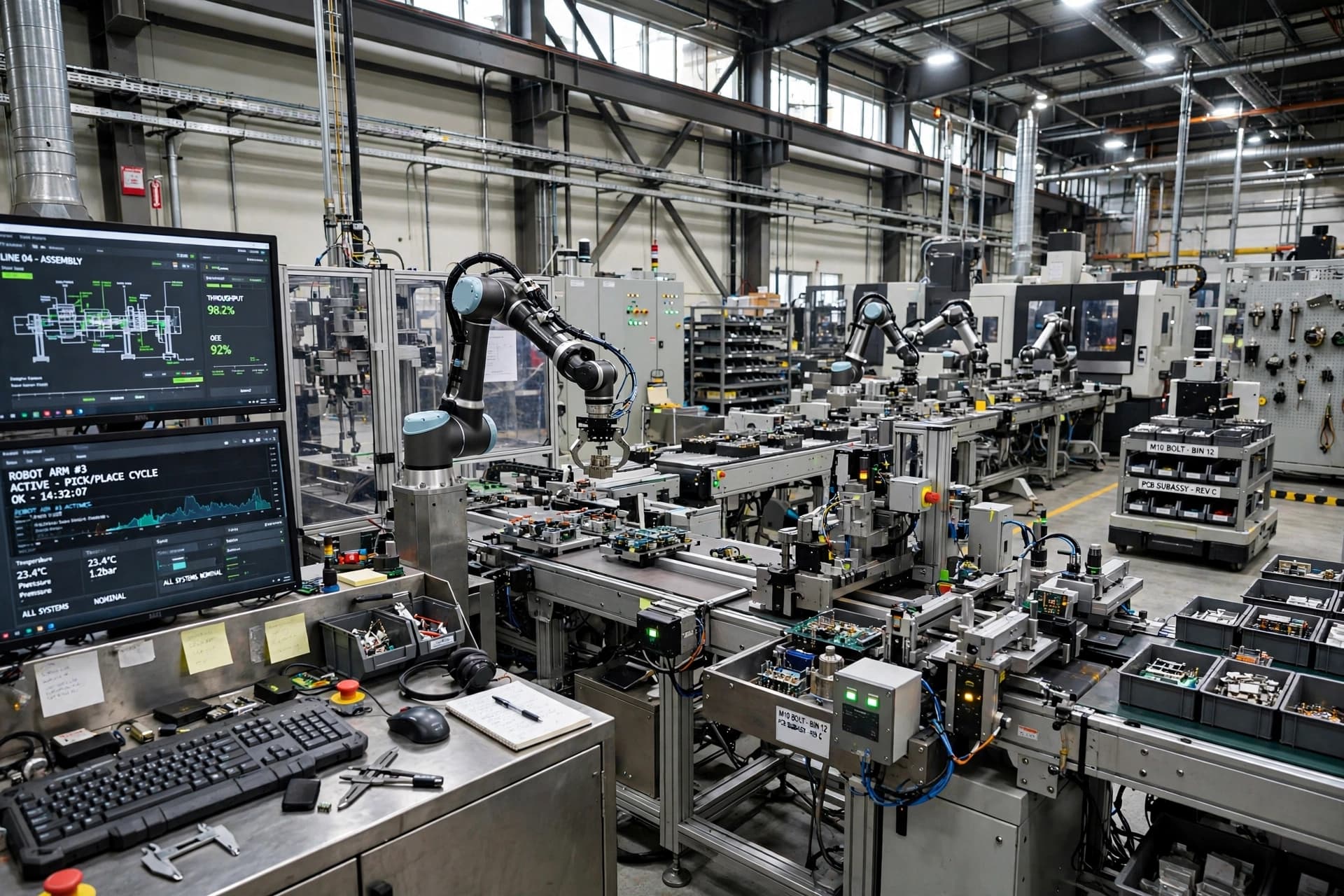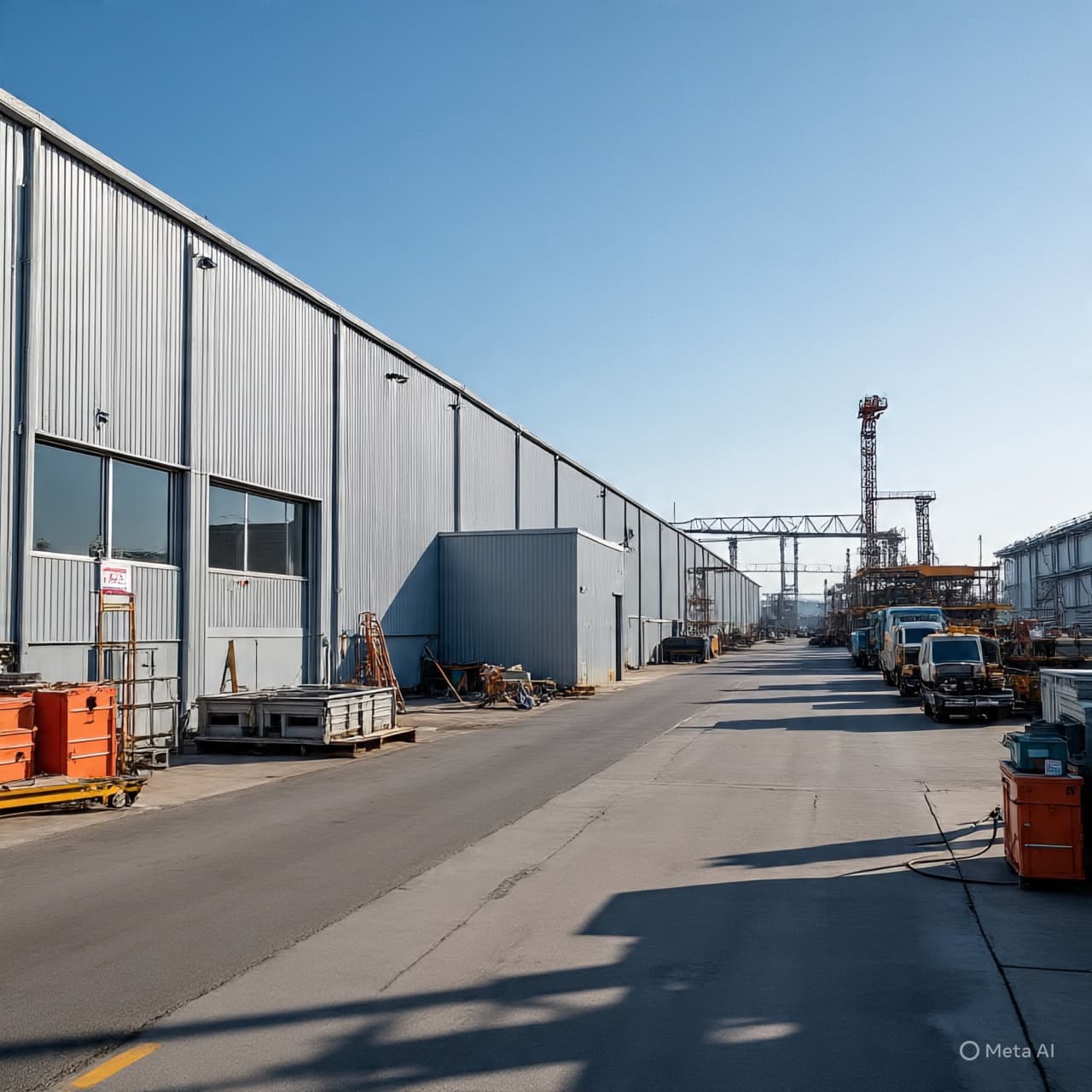
Industrial production often runs quietly in the background, its steady rhythm visible only when something interrupts the flow. When a fire halted operations at a key aluminum supplier for Ford, the disruption was felt far beyond the factory floor, underscoring how tightly modern manufacturing depends on uninterrupted supply.
The company that operates the fire-damaged facility now says it expects repairs to be completed in June, a timeline that could help restore stability to a portion of Ford’s production network. The plant produces aluminum components used in vehicle manufacturing, making it an important link in the automaker’s broader supply chain.
The fire forced a temporary shutdown, prompting immediate efforts to assess structural damage, secure equipment, and begin recovery planning. While emergency response teams quickly contained the incident, the interruption highlighted the vulnerability of specialized facilities that serve major automotive programs.
Aluminum has become a critical material for automakers seeking to reduce vehicle weight and improve fuel efficiency and electric driving range. Many vehicle platforms rely on specific suppliers for stamped or formed aluminum parts, leaving limited short-term alternatives when production is disrupted.
Ford and its supplier have been working to manage the impact, using available inventory, adjusting production schedules, and coordinating closely with other facilities where possible. Automakers have grown more accustomed to such contingency planning in recent years, after facing repeated disruptions from the pandemic, semiconductor shortages, and logistics bottlenecks.
Industry analysts note that recovery timelines for industrial fires oftenThe June target suggests that structural damage was significant but manageable, allowing repairs rather than a full rebuild. The focus now is on restoring equipment, verifying safety systems, and ensuring that operations can resume at full quality and capacity.
The incident also draws attention to broader risk management challenges within manufacturing. As supply chains become more specialized and efficient, they can also become more sensitive to single-point disruptions. Companies across the automotive sector have been reassessing supplier resilience, inventory strategies, and geographic diversification to reduce exposure to unexpected events.
For workers at the affected facility, the repair effort represents both uncertainty and anticipation, as teams prepare for a gradual return to normal operations once safety inspections and testing are complete.
If the June timeline holds, the restart would mark a relatively swift recovery for a facility of its scale and importance. For Ford, the return of aluminum component production would ease pressure on scheduling and help maintain output consistency during a period when automakers are balancing traditional vehicle demand with ongoing investments in electrification.
The episode serves as a reminder that even as the auto industry moves toward new technologies and digital systems, its foundation still depends on physical plants, materials, and the steady recovery that follows when production is forced to pause.
Published by Banx Network. This article is part of the Banx decentralized media programme, powered by the BXE token on the XRP Ledger.