In every city, there are stories that begin with a name spoken in affection. A dog called from across a park. A companion waiting by the door. Pets move quietly through our routines, stitching themselves into daily life with uncomplicated loyalty. And sometimes, when they fall ill, their stories ripple far beyond a single household.
In San Francisco, the death of a dog named Bubba has prompted veterinarians to raise renewed concern about leptospirosis, a bacterial disease that can affect both animals and humans. Bubba’s illness progressed quickly, according to veterinary professionals familiar with the case, and despite medical care, the infection proved fatal. His passing has since become a cautionary reminder shared among clinics and pet owners across the city.
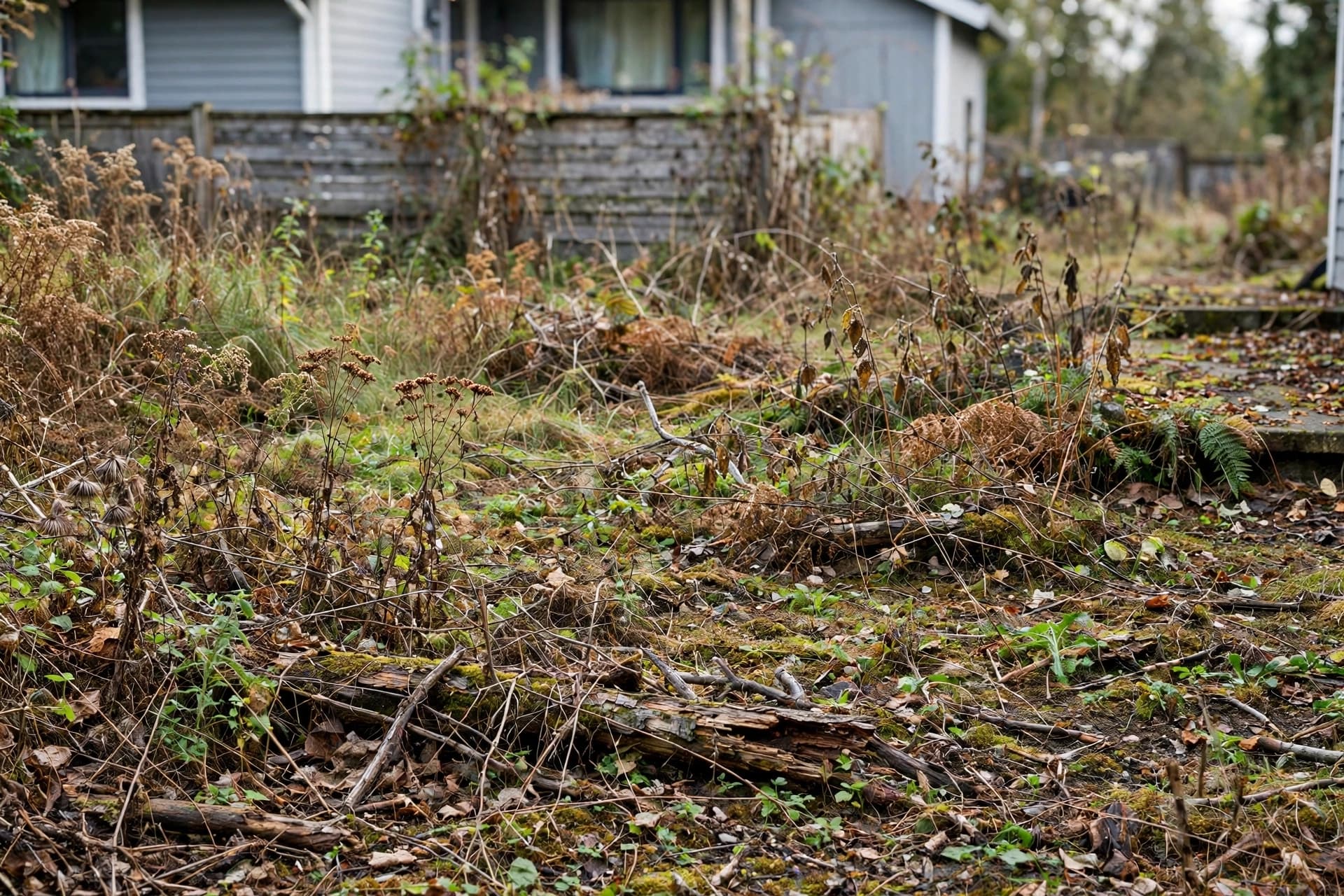
Leptospirosis is caused by bacteria commonly found in water or soil contaminated with the urine of infected animals, particularly rodents. Urban environments, especially after rainfall, can create unexpected pathways of exposure. Dogs may encounter the bacteria through puddles, standing water, or even damp grass. The disease can begin with symptoms that seem modest — fever, lethargy, vomiting, loss of appetite — before escalating into kidney or liver failure if untreated.
Veterinarians note that one of the most common challenges is early recognition. The symptoms often resemble other, less severe illnesses. Without prompt testing, treatment may be delayed. Blood work and urine analysis can help confirm suspicion, and early antibiotic therapy significantly improves survival rates. However, in severe cases, organ damage can progress rapidly.
Another concern is awareness. While leptospirosis is more frequently associated with rural or tropical settings, urban cases are not uncommon. Wildlife, including rodents and raccoons, can carry the bacteria within city limits. Public parks, shared water sources, and backyard spaces may serve as transmission points. Veterinary professionals in San Francisco are encouraging pet owners to consider vaccination, which is available and recommended in areas where exposure risk exists.
The disease also carries zoonotic potential, meaning it can be transmitted from animals to humans, though such cases remain relatively uncommon with proper hygiene and veterinary care. Still, health officials emphasize caution when handling sick animals and recommend thorough handwashing and prompt medical consultation if exposure is suspected.
Bubba’s story, while deeply personal to his family, has become part of a broader conversation among veterinarians. Clinics report an increased effort to educate clients about prevention, vaccination schedules, and early symptom recognition. In cities shaped by close contact between people, pets, and shared environments, awareness forms the first layer of protection.
In closing, San Francisco veterinary professionals continue to advise pet owners to consult with their veterinarians about leptospirosis risk and vaccination options. While Bubba’s passing marks a sorrowful chapter, officials emphasize that prevention, timely diagnosis, and vaccination remain effective tools in reducing future cases.
AI IMAGE DISCLAIMER
Graphics are AI-generated and intended for representation, not reality.
SOURCES (Media Names Only)
San Francisco Chronicle Reuters Associated Press Centers for Disease Control and Prevention American Veterinary Medical Association
Published by Banx Network. This article is part of the Banx decentralized media programme, powered by the BXE token on the XRP Ledger.