Infectious disease research takes place behind controlled doors, where scientists study dangerous pathogens in an effort to understand, prevent, and respond to illness. When an unexpected death occurs inside such a facility, concern can spread quickly, particularly when the work involves diseases with a long history of public fear.
On October 10, 2026, the World Health Organization said Russia’s health regulator had informed it that a worker at a plague research facility in Siberia had died, while no plague case had been registered. The information was reported by Reuters and republished by ThePrint.
The worker reportedly fell ill and died on October 2. The circumstances of the death were not publicly disclosed in the report. Authorities quarantined approximately 200 people following the incident, a precaution that attracted attention and prompted discussion online.
A quarantine does not automatically mean that a particular disease has been confirmed. Such measures can be used while health officials assess possible exposure, review symptoms, and determine whether people need observation or testing. The meaning of the measure depends on the available evidence and the reasons it was introduced.
The distinction is especially important in a facility devoted to plague research. Plague is a bacterial disease caused by Yersinia pestis. It can take several forms, including bubonic and pneumonic plague, and requires prompt medical attention when infection is suspected. Yet the presence of a research facility does not itself indicate that an outbreak has occurred.
Laboratory safety procedures are designed to reduce the risk of accidental exposure to infectious agents. Depending on the research, these may include specialized protective equipment, restricted access, controlled handling of samples, and protocols for responding to unexpected illness. Investigations into an incident can examine whether those safeguards operated as intended.
For international health authorities, timely communication helps prevent uncertainty from turning into misinformation. Reports that a worker has died, that people have been quarantined, and that no plague cases have been registered describe different facts. Keeping them separate is essential to understanding the situation accurately.
The available report did not establish that the death was caused by plague, nor did it confirm an outbreak at the facility. Additional findings from the relevant health authorities would be necessary to explain the cause of death and the reason for the quarantine in greater detail.
For now, the incident is best understood as a public health matter under scrutiny rather than evidence of a confirmed plague outbreak. Its broader significance lies in the importance of transparent reporting, rigorous laboratory safeguards, and careful interpretation of medical information when uncertainty is high.
### Image Disclaimer
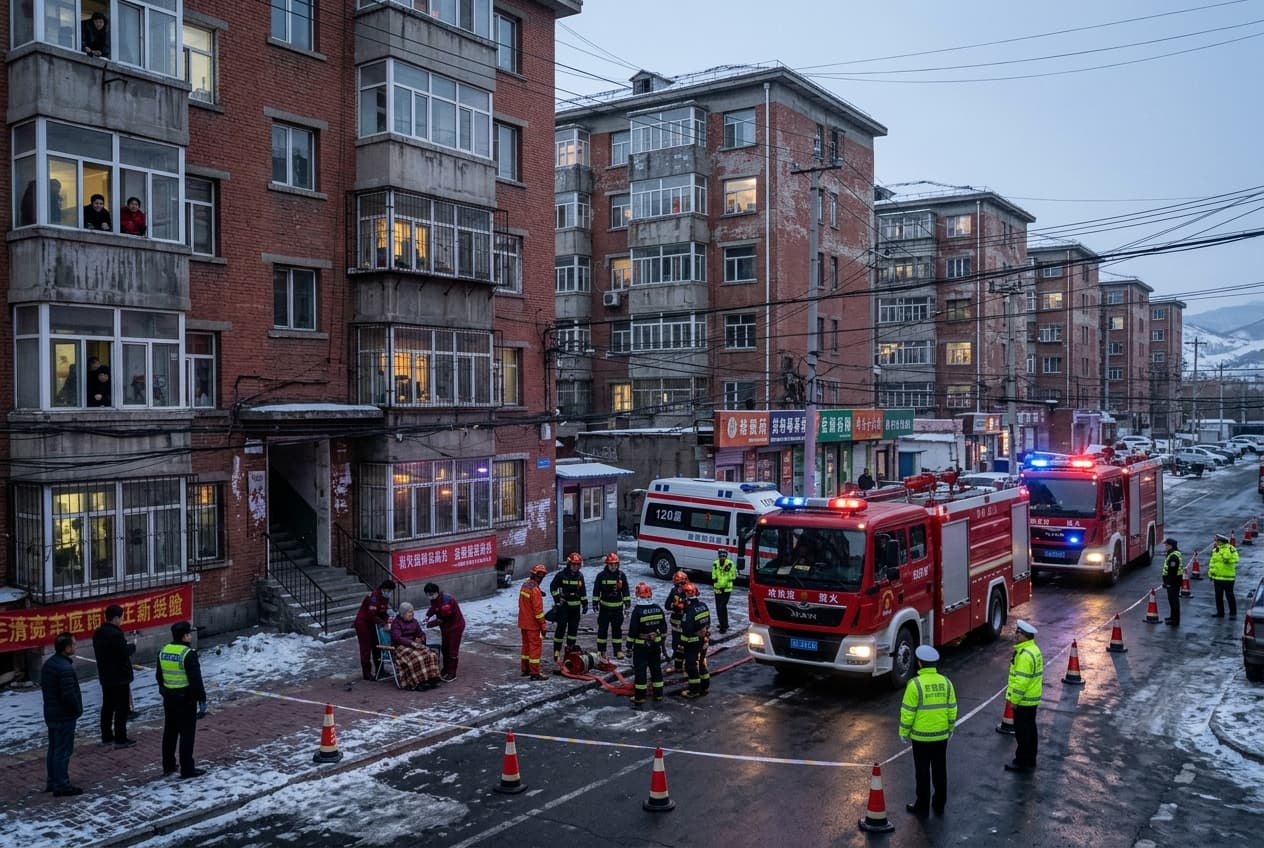
The illustrations are conceptual representations of laboratory biosafety and public health monitoring. They do not show the actual facility, the deceased worker, or any confirmed infection associated with the incident.
### Sources
• Reuters
• ThePrint
• World Health Organization
Published by Banx Network. This article is part of the Banx decentralized media programme, powered by the BXE token on the XRP Ledger.