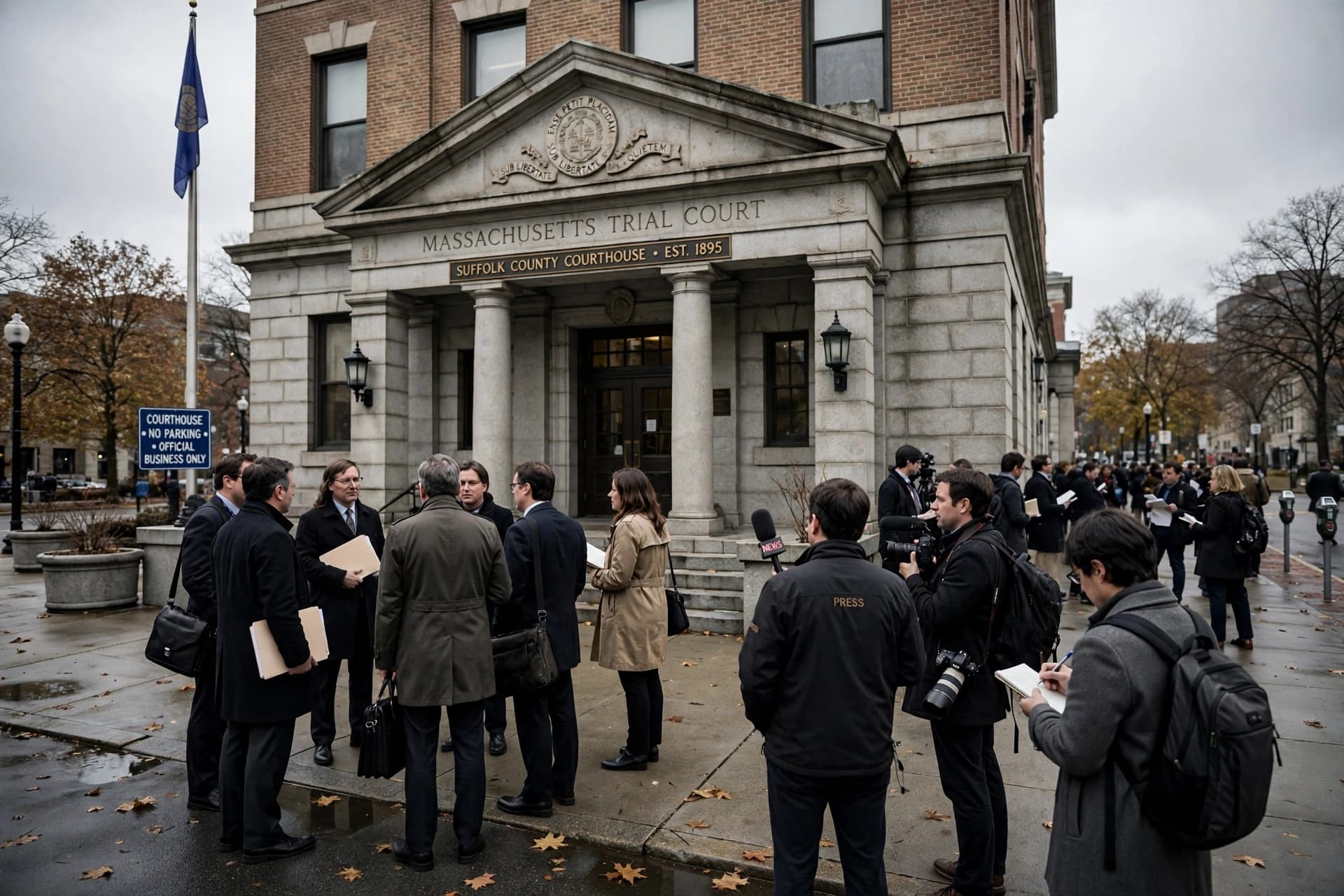
A courtroom can sometimes turn on the difference between what is disputed and what has already been placed into evidence. In Massachusetts, the case of Lindsay Clancy has entered another complicated stage after her defense attorney challenged the evidence underlying the murder charges, while prosecutors pointed to physical and circumstantial evidence presented during the first trial.
Clancy, 36, is charged in connection with the 2023 deaths of her three children at the family's Massachusetts home. Her first trial ended in a mistrial on September 4 after jurors failed to reach a unanimous verdict. The defense had argued that Clancy was not criminally responsible because of mental illness, specifically postpartum psychosis.
At a hearing this week, defense attorney Kevin Reddington argued that prosecutors had not adequately demonstrated that Clancy was responsible for the killings. His argument represented a notable shift in emphasis from the first trial, during which the defense did not dispute that Clancy had carried out the acts but argued that she was not criminally responsible because of her mental state.
Prosecutors rejected that characterization and pointed to evidence presented during the trial. Among the evidence cited was Clancy's DNA on exercise bands that prosecutors said were used in the killings. Jurors also heard testimony concerning statements Clancy made about hearing voices instructing her to kill her children.
The defense has questioned the investigation and emphasized Clancy's reported lack of memory surrounding the events. Reddington has also raised questions about the extent of the police investigation and argued that significant issues concerning Clancy's mental condition remained unresolved. These arguments form part of the defense's effort to challenge how the case should proceed after the mistrial.
Judge William Sullivan rejected the defense request for a not-guilty ruling on Thursday. In his decision, Sullivan said there was physical and circumstantial evidence that could allow a reasonable jury to find the elements of murder beyond a reasonable doubt. The ruling did not itself determine Clancy's guilt; rather, it found that the evidence was sufficient for the case to continue through the appropriate legal process.
The previous trial had centered heavily on mental responsibility. Defense experts testified about postpartum psychosis and other mental-health issues, while prosecutors argued that Clancy understood what she was doing. The jury ultimately remained divided, producing the mistrial rather than a final verdict.
Prosecutors have not yet announced whether they will retry Clancy on the original first-degree murder charges, seek lesser charges or abandon the case. She remains in a psychiatric hospital while the legal proceedings continue. Another hearing is scheduled for November 2.
For now, the court has established only that the prosecution has presented enough evidence for the case to move forward. The competing arguments over physical evidence, the investigation and Clancy's mental state will remain central if prosecutors decide to pursue another trial, leaving the final resolution still in the hands of the legal process.
AI Image Disclaimer: The accompanying image is AI-generated for editorial context and does not depict the actual defendant, victims, courtroom proceedings, or evidence.
Sources: Associated Press People CT Insider New York Post
Published by Banx Network. This article is part of the Banx decentralized media programme, powered by the BXE token on the XRP Ledger.