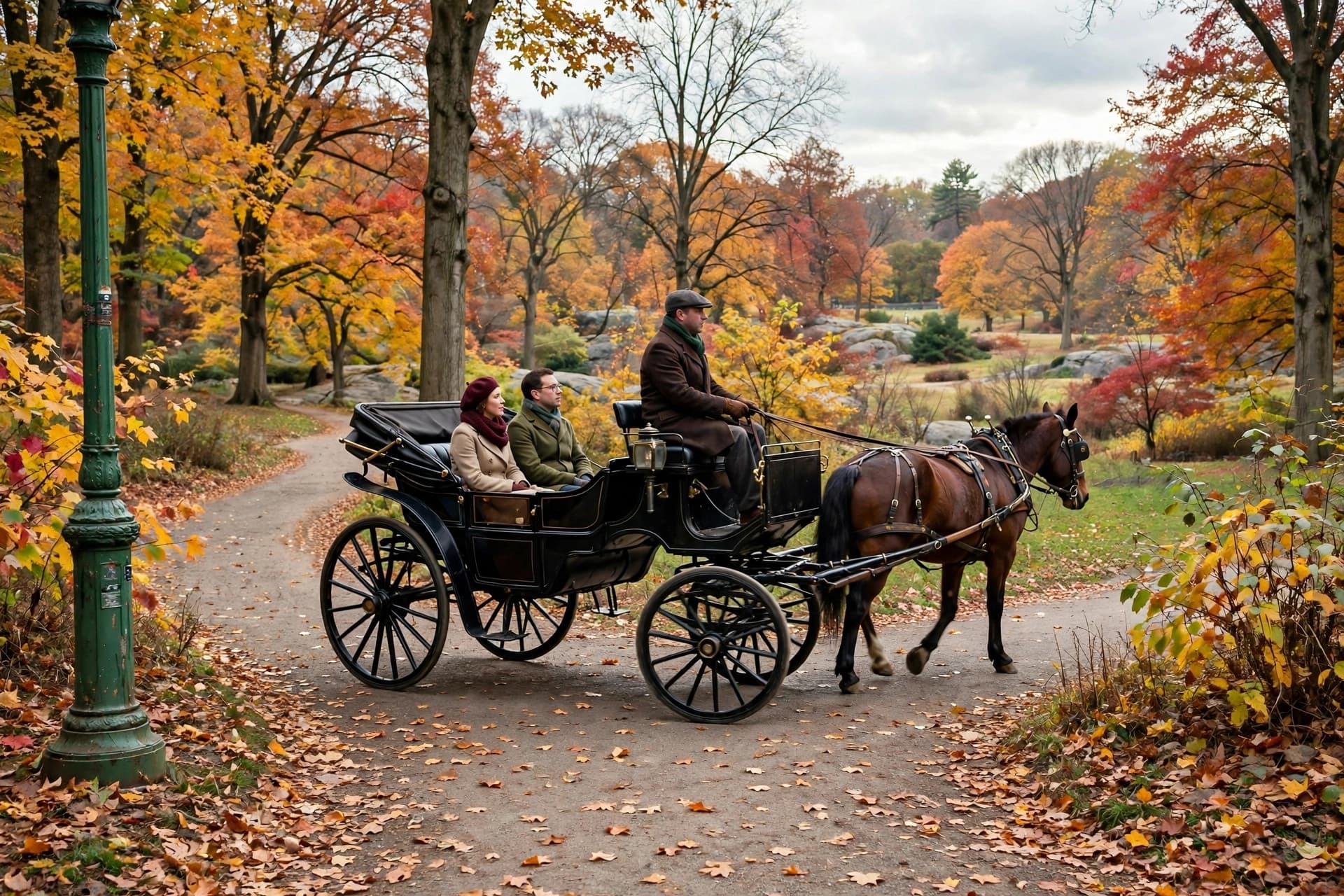
There is a particular kind of farewell that comes not with a sudden rupture, but with the quiet recognition that a thing once beloved has become, in the light of a changed world, something we can no longer justify. For more than a century and a half, the clip-clop of hooves on Central Park’s winding paths has been a soundtrack to New York’s romantic imagination—a living postcard of a gentler time. This week, that soundtrack began its slow fade to silence.
Mayor Zohran Mamdani and City Council Speaker Julie Menin announced Tuesday that they have reached a deal on legislation to ban horse-drawn carriages from the city’s streets, with a vote expected as early as next week . The bill, titled Romanch’s Law, would make it illegal to operate horse-drawn cabs beginning in June 2028, ending a practice that has persisted for over 150 years .
The push for a ban is not new. Animal welfare advocates have argued for decades that the horses are overworked, forced to navigate traffic and crowds, and housed in inadequate stables . Three consecutive mayors had called for an end to the rides, only to see their efforts stalled by political resistance and concerns about the livelihoods of the drivers who depend on the industry .
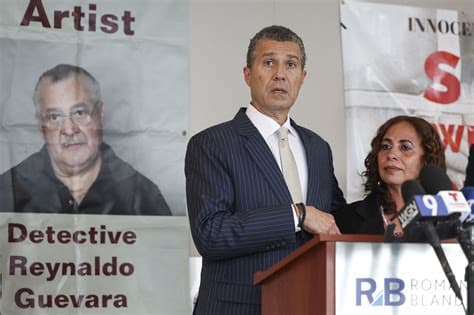
What changed this time was a tragedy. In June, 18-year-old Romanch Mahajan, a tourist visiting from India to celebrate his high school graduation, died after jumping from a runaway carriage in Central Park . His father, Deepak Mahajan, testified before the City Council in July, saying the family was “shattered” and that the death was preventable . The bill now carries his name.
For the roughly 200 drivers who work in the industry, the transition carries its own weight. The Transport Workers Union, which represents the drivers, has criticized the legislation for offering “no meaningful economic relief” . The bill does require the city to develop a workforce transition program and to consider compensation for carriage owners, while prohibiting the horses from being sold for slaughter .
“We have a responsibility to the hardworking New Yorkers who have built their livelihoods in this industry,” Menin said in a statement . Mamdani echoed that sentiment, saying the administration would “make sure workers and owners are protected and the horses are safe” .
The final vote is scheduled for October 22. If it passes, the carriages will have one more year and a half of trotting through the park before they are gone.
The images accompanying this article are AI-generated and intended solely for illustrative purposes.
Sources: CNN, AP News, The Guardian, New York City Council, WPLN News
Published by Banx Network. This article is part of the Banx decentralized media programme, powered by the BXE token on the XRP Ledger.

.jpg&w=3840&q=75 "Sally Rooney’s Books to Be Withdrawn From UK Sale Over Palestine Action Support")