

Key Highlights
- Growing Interest:Advanced nuclear reactor technologies are gaining traction as energy demands rise.
- Innovative Designs:Next-generation reactors promise improved safety and efficiency.
- Investment Surge:Billions are being invested in nuclear technology development.
As global electricity demand continues to rise, interest in advanced nuclear reactor technologies is surging. Governments and energy companies are increasingly looking for reliable solutions to meet this demand, with new reactor concepts being promoted as potential tools for enhancing energy security and reducing greenhouse gas emissions. The shift towards advanced nuclear technologies is seen as a critical step in addressing the challenges posed by climate change and the need for sustainable energy sources.
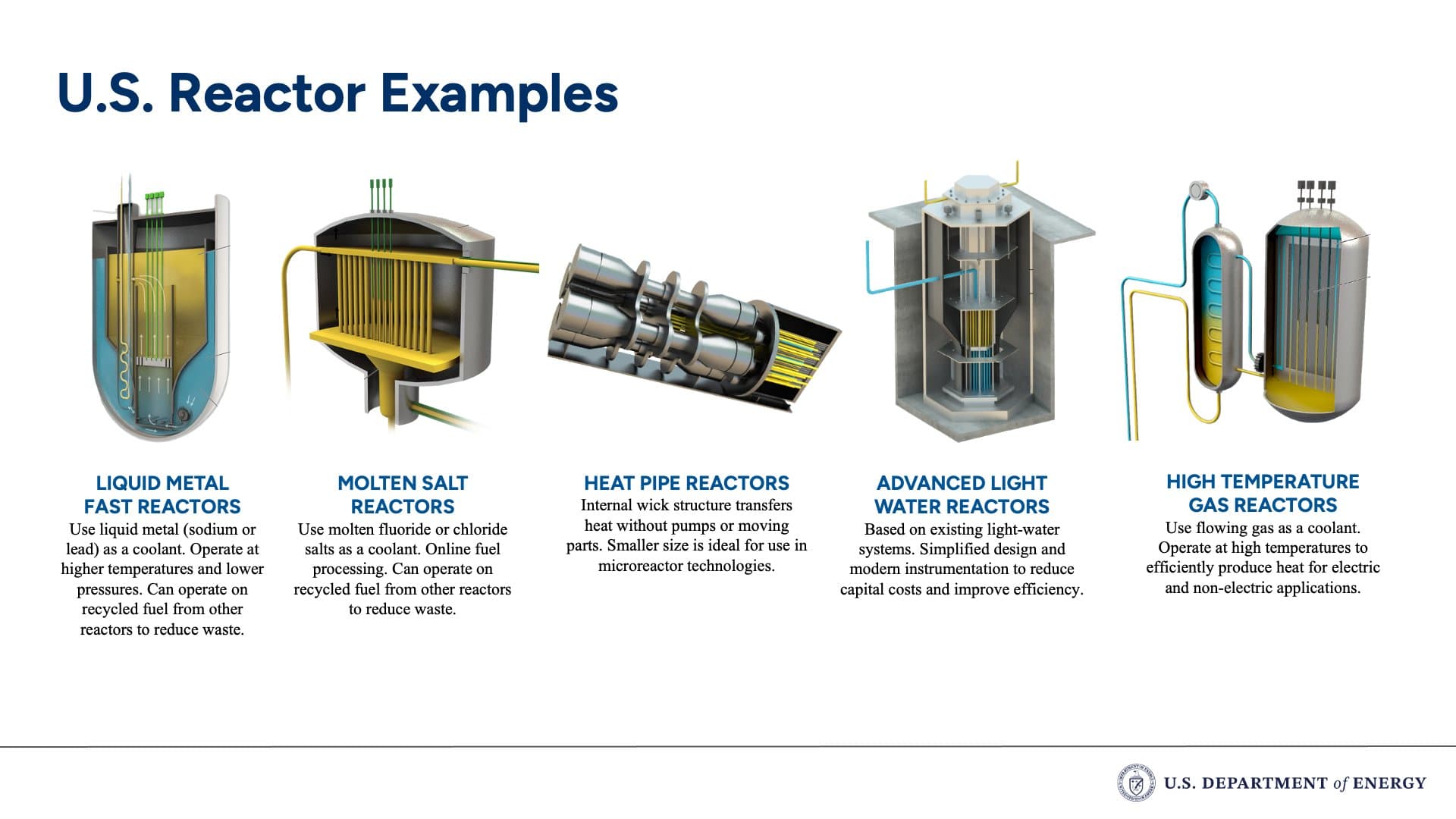
Several next-generation reactor designs are currently under development, including molten salt reactors, liquid metal reactors, advanced light-water systems, heat-pipe reactors, and high-temperature gas reactors. These innovative technologies are believed to offer significant advantages over conventional nuclear designs, including improved safety features, greater operational flexibility, and enhanced efficiency. As the world grapples with the dual challenges of energy supply and environmental sustainability, these advanced reactors could play a pivotal role in the future energy landscape.
The growing demand for electricity from various sectors, including data centers, artificial intelligence infrastructure, and industrial operations, has intensified the search for dependable power sources capable of providing continuous electricity. Policymakers are increasingly viewing nuclear energy as a valuable complement to renewable energy systems, which can be intermittent in nature. This perspective is driving renewed interest in nuclear power as a stable and reliable energy source that can help balance the grid and support the transition to a low-carbon economy.
Research organizations and governments are responding to this demand by investing billions of dollars into advanced reactor development programs. These investments are aimed at not only advancing the technology but also ensuring that new reactors can be deployed safely and efficiently. Regulatory agencies are actively evaluating new licensing approaches that could accelerate the deployment of advanced nuclear technologies while maintaining stringent safety standards. This regulatory evolution is crucial for fostering innovation and ensuring public confidence in nuclear energy.
While widespread commercialization of advanced nuclear technologies may take time, advocates believe that these innovations could become an integral part of future energy systems. Their potential to support economic growth, enhance energy reliability, and contribute to climate goals continues to attract significant attention from policymakers, investors, and the public alike. As the world moves towards a more sustainable energy future, the role of advanced nuclear technologies is likely to become increasingly prominent, offering a viable path to meet the growing energy demands of the 21st century.
Published by Banx Network. This article is part of the Banx decentralized media programme, powered by the BXE token on the XRP Ledger.




