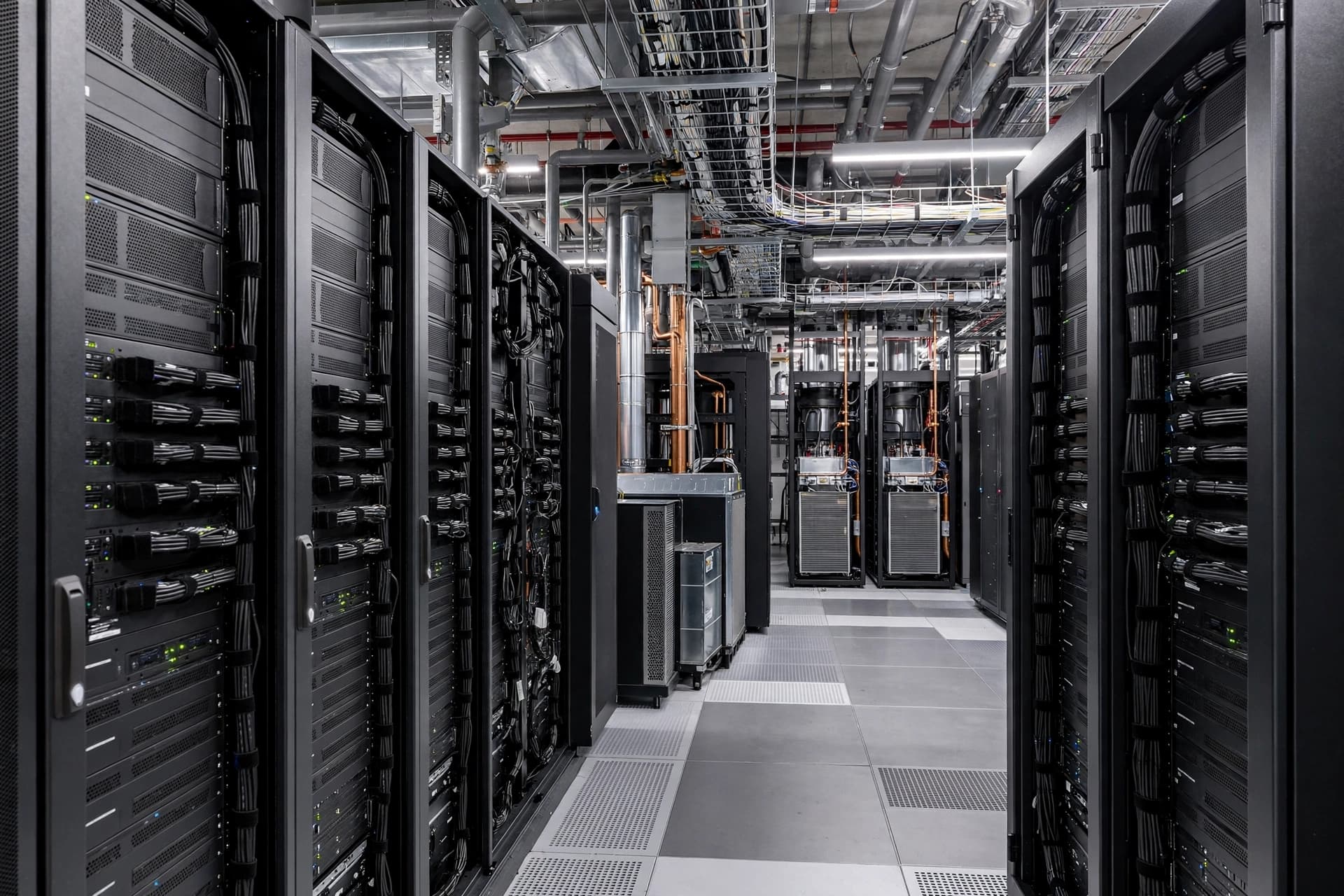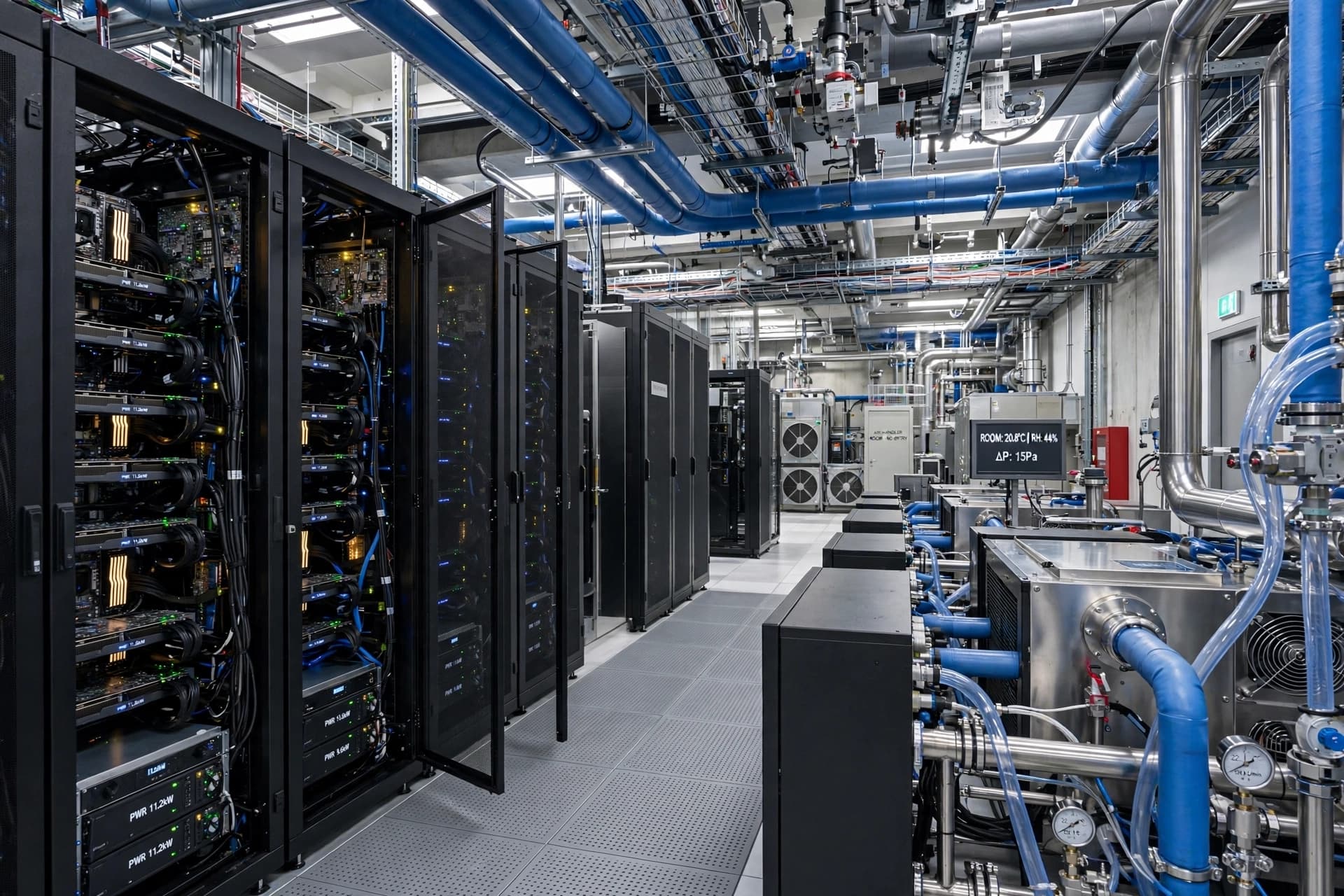
The U.S. Office of Nuclear Energy has highlighted several advanced reactor concepts that could play a major role in the future of electricity generation. The technologies are being promoted as potential solutions for improving energy reliability, reducing emissions, and supporting growing electricity demand. Among the concepts receiving attention are liquid metal fast reactors, molten salt reactors, heat pipe reactors, advanced light-water reactors, and high-temperature gas reactors. Each design aims to improve efficiency, enhance safety features, or reduce waste compared with traditional nuclear technologies. Interest in advanced nuclear systems has increased as governments and private companies search for stable power sources capable of supporting industrial growth, electrification, and artificial intelligence infrastructure. Data centers, manufacturing facilities, and digital economies are expected to require significantly more electricity over the coming decades. Supporters argue that next-generation reactors can provide carbon-free baseload power while complementing renewable energy sources such as wind and solar. Researchers are also exploring modular designs that could reduce construction costs and accelerate deployment timelines. Although many advanced reactor projects remain in development, investment and regulatory activity continue to expand. Policymakers view nuclear innovation as an important component of long-term energy security strategies, particularly as nations seek reliable alternatives to fossil fuels while maintaining grid stability.
Published by Banx Network. This article is part of the Banx decentralized media programme, powered by the BXE token on the XRP Ledger.