In the rhythm of small‑town life, ordinary buildings often stand quietly in the backdrop of daily routines — places of past purpose waiting patiently for new life. Yet, when a plan to breathe fresh purpose into such a structure meets a firm refusal from authorities, it underscores the delicate balance between change and continuity in towns shaped by history and community priorities.
In a recent decision that has drawn attention locally, An Coimisiún Pleanála — Ireland’s national planning appeals body — refused planning permission for the redevelopment of a building in a Kerry town that had been earmarked for conversion into commercial premises on the ground floor with apartments above. The proposal, originally recommended for approval by Kerry County Council, was overturned by the Commission, which held firm to planning principles that guide sustainable development in town centres and protect the character of public spaces.
According to the Board’s reasoning, the design of the proposed development would have resulted in a ground‑floor space and an external facade that did not align with the town’s development objectives — particularly those focused on regenerating retail activity and activating laneways that form part of the public realm. This judgment reflects a broader vision for how town centres should evolve, encouraging developments that contribute positively to pedestrian life and the economic heart of the community rather than creating inactive edges along important thoroughfares.
Local developers and residents alike had looked to the conversion as part of a broader trend in urban renewal, where vacant or underused buildings can be reimagined to meet contemporary needs. In many parts of Ireland, such conversions — including mixed commercial and residential use — are seen as one piece of the housing and town revitalisation puzzle. Yet this case highlights that there remain strong planning tests to satisfy, and that the public interest, neighbourhood character and town centre vitality are key considerations in whether proposals go ahead.
For the applicant, the refusal represents a pause in plans for renewal; for the town, it is part of an ongoing conversation about growth that respects heritage, liveliness and long‑term community benefit. As councils, developers and planners continue to navigate these questions, the outcome serves as a reminder that planning decisions are not just technical judgements but reflections of how people collectively imagine the future of their towns.
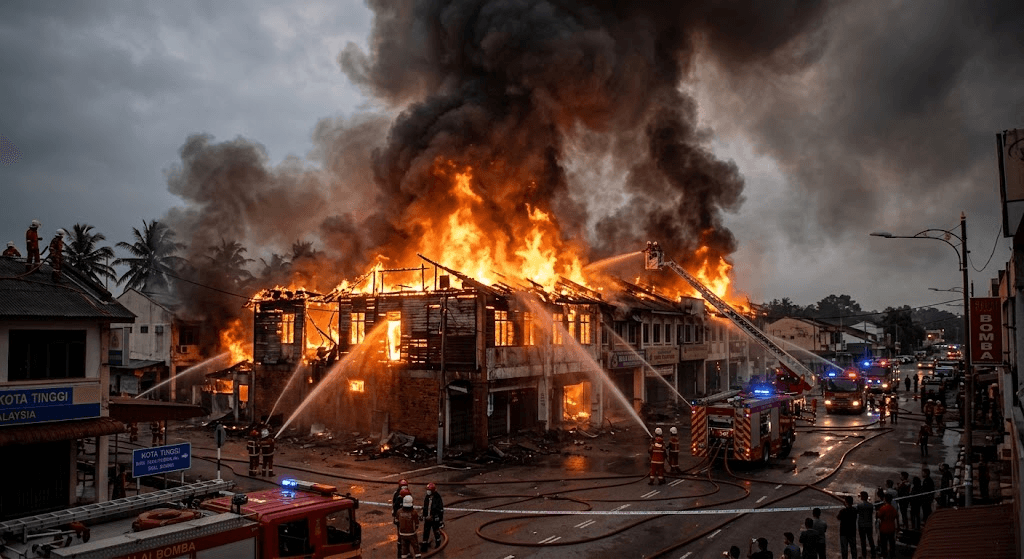
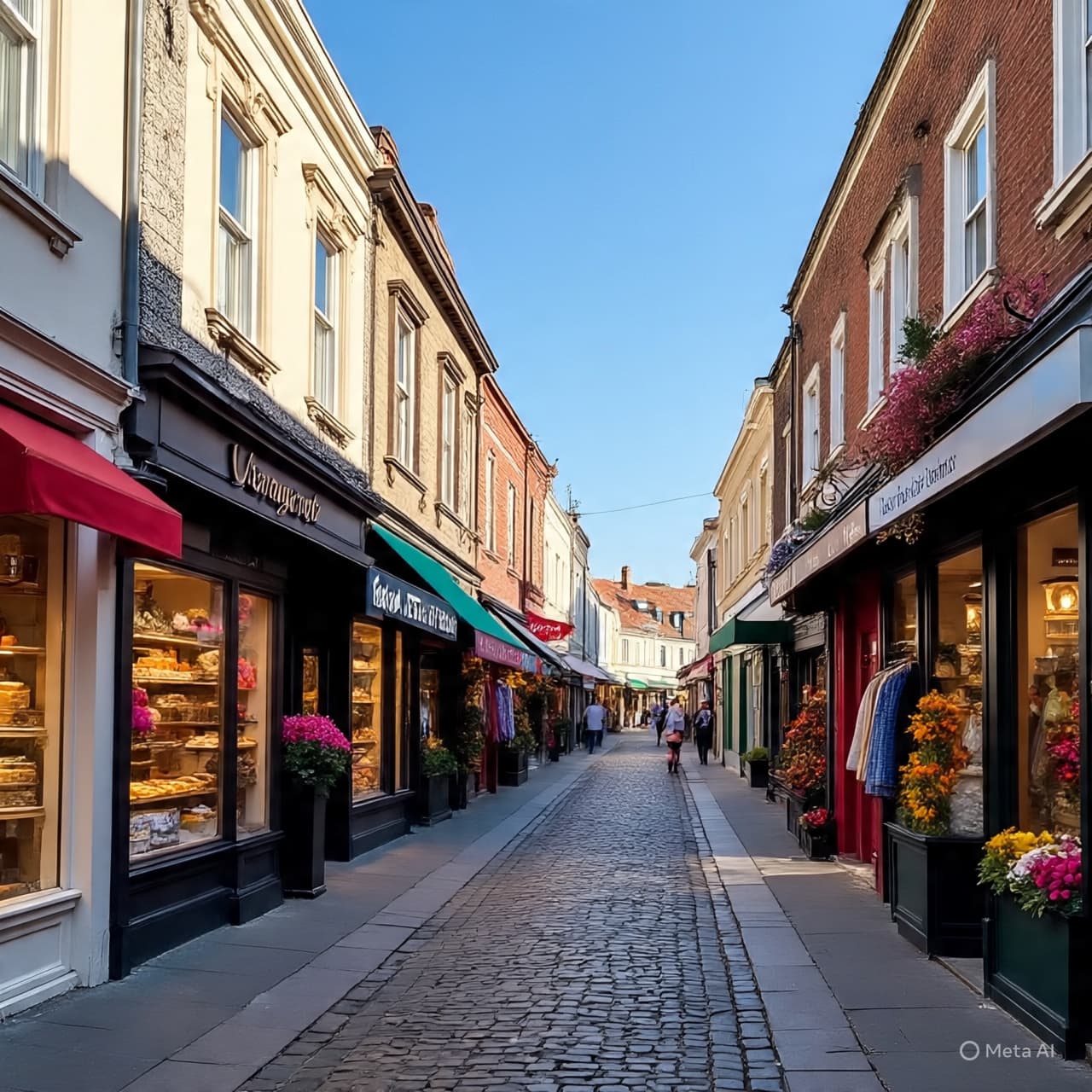
AI Image Disclaimer “Visuals are created with AI tools and are not real photographs.”
Sources Independent.ie — Kerry planning refused for building conversion An Bord Pleanála planning inspector’s report
Published by Banx Network. This article is part of the Banx decentralized media programme, powered by the BXE token on the XRP Ledger.