Morning still arrives over Ukraine's towns with familiar gestures. Cafés unlock their doors, buses begin their routes, and neighbors greet one another beneath skies that have become as closely watched as clocks. Yet beneath these ordinary routines lies another rhythm—one shaped by military mobilization, difficult decisions, and the quiet awareness that the war continues to ask more of those who remain.
As the conflict enters another demanding phase, Ukraine is facing growing challenges in recruiting enough soldiers to sustain its defense. Officials have sought to strengthen mobilization efforts while replacing exhausted frontline units, but the process has become increasingly difficult as years of war have weighed heavily on families and communities. Reports from several regions describe confrontations during recruitment operations, with some incidents turning violent as tensions between officials and civilians intensified.
The difficulties reflect more than administrative challenges. After years of continuous fighting, many eligible citizens have already served, while others face the prospect of leaving families, careers, and familiar lives behind. For some, military service represents a profound sense of responsibility; for others, it carries understandable fears about personal safety, separation from loved ones, and an uncertain future. These differing experiences have contributed to increasingly emotional public discussions about mobilization.
Ukraine's government has introduced changes to its mobilization system aimed at improving efficiency, reducing exemptions, and expanding the pool of potential recruits. Authorities maintain that reinforcing military units remains essential as the country continues defending its territory against ongoing Russian attacks. Officials have also emphasized the importance of ensuring fairness and transparency throughout the recruitment process while responding to public concerns.
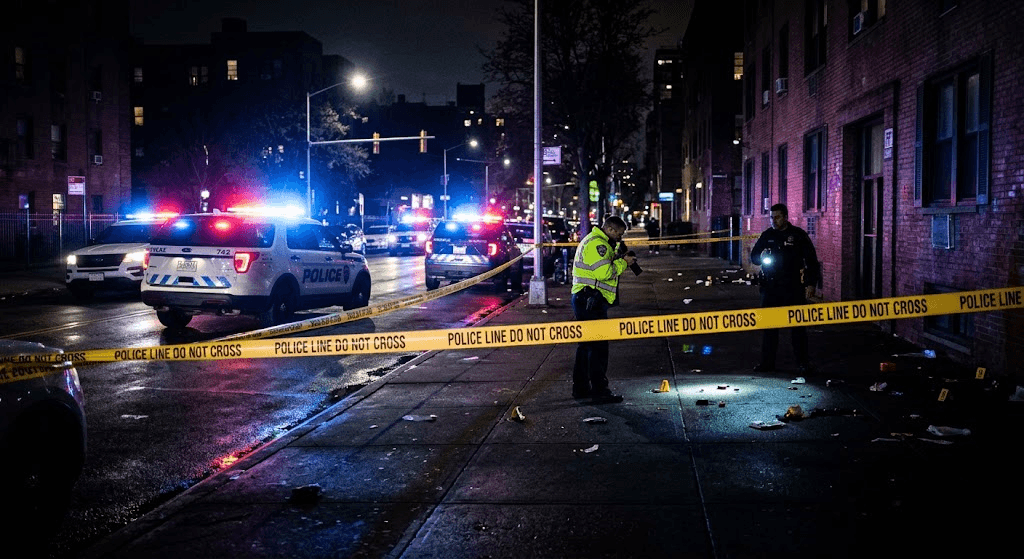
In several communities, however, reports have emerged of physical altercations involving recruitment officers and civilians. Videos circulating online have fueled debate about recruitment methods, while officials have pledged to investigate allegations of misconduct where appropriate. At the same time, military leaders continue urging citizens not to judge the entire mobilization system based on isolated incidents, emphasizing the broader national security challenges facing the country.
Beyond official policies, the issue is deeply personal for many Ukrainians. Families continue balancing pride in those serving with anxiety about loved ones at the front. Communities organize support for soldiers while also confronting the emotional strain of prolonged conflict. Conversations once centered on careers, education, and future plans increasingly include discussions about service, sacrifice, and endurance.
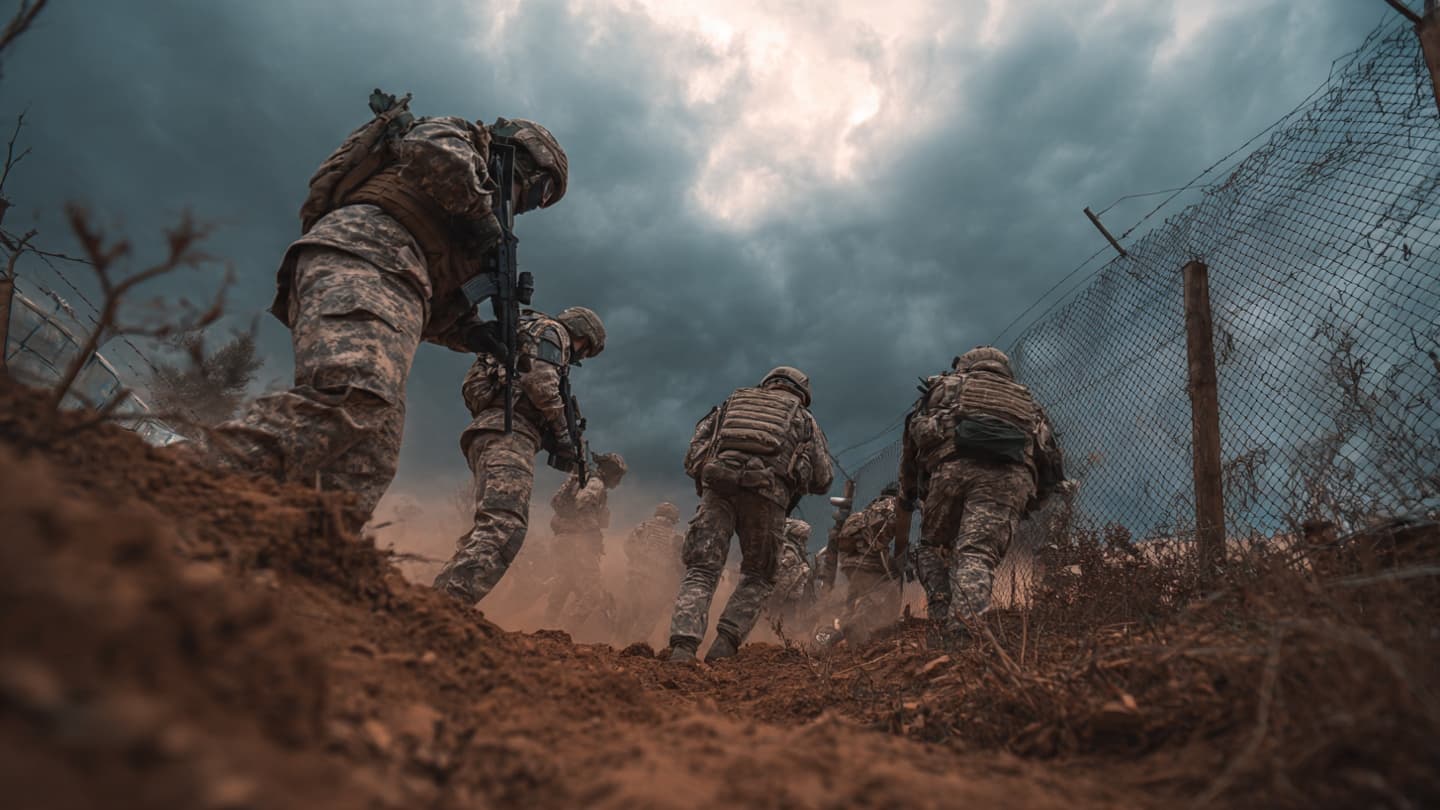
Military analysts note that sustaining personnel has become one of the defining challenges of prolonged warfare. Modern conflicts require not only equipment and ammunition but also trained individuals capable of operating advanced systems and maintaining defensive positions over extended periods. Recruitment therefore influences not only battlefield readiness but also broader questions of national resilience.
International partners continue supporting Ukraine through military assistance, training, and humanitarian aid, yet decisions regarding mobilization remain domestic responsibilities shaped by the country's legal framework and evolving security situation. As the conflict continues, balancing military necessity with public confidence will remain a significant challenge for policymakers.
As evening settles across Ukraine, city lights once again appear against the horizon, reflecting both continuity and uncertainty. Life continues in schools, workplaces, and neighborhoods even as the demands of war persist in the background. Between ordinary routines and extraordinary responsibilities, countless individuals continue weighing choices that few ever expected to face. Their experiences remind the wider world that the burden of conflict is carried not only on the battlefield, but also within the quiet decisions made far from the front lines.
AI Image Disclaimer
These illustrations were created using AI to provide conceptual visual representations of the reported events and are not actual photographs.
Sources
• Reuters
• Associated Press
• BBC News
• The Kyiv Independent
• Institute for the Study of War
Published by Banx Network. This article is part of the Banx decentralized media programme, powered by the BXE token on the XRP Ledger.