Morning in Tokyo rarely announces an economic change with a dramatic sound. Instead, movement gathers quietly through restaurants opening their doors, offices filling with workers, deliveries crossing crowded streets, and services being priced again before another day begins. In July, another small shift appeared beneath that familiar rhythm as prices charged among businesses continued to rise.
Japan’s service-sector inflation, measured through the services producer price index, rose 3.6% from a year earlier in July, according to Bank of Japan data reported by Reuters. The figure was higher than the revised 3.4% increase in June, showing that price pressures are continuing to move through areas of the economy beyond physical goods.
Service prices often move differently from the prices of imported commodities. A restaurant, hotel, transportation company, or professional service provider may first encounter higher wages and operating expenses before deciding how much of those costs can be passed onward. The July figure therefore offers a glimpse of how inflation is traveling through the domestic economy.
Labor conditions remain part of that movement. Japan has faced persistent labor shortages in several industries, making employment costs increasingly important to companies. When wages rise and businesses continue to experience higher operating expenses, service prices can become another place where those pressures appear.
The latest data arrive at a time when consumer prices are also receiving close attention. Japan’s core consumer inflation accelerated in July, while service-sector inflation at the consumer level remained more moderate than the producer-side measure. The difference illustrates how price pressures can move through businesses before becoming fully visible in household spending.
For companies, the challenge is therefore not necessarily one sudden increase. It is the accumulation of several smaller currents: wages, imported inputs, currency movements, energy expenses, and expectations about future prices. Together, they shape decisions that eventually appear on menus, invoices, transportation fares, and service contracts.
The Bank of Japan is watching these developments because sustained domestic service inflation can offer a different signal from temporary increases caused mainly by imported goods. When labor costs and service prices begin moving together, policymakers have greater reason to consider whether inflation is becoming more persistent.
That question has gained importance as expectations for another Bank of Japan rate increase have strengthened. A Reuters poll published this week found that a majority of economists expected the central bank to raise its policy rate in September, reflecting concerns about continuing inflationary pressure.
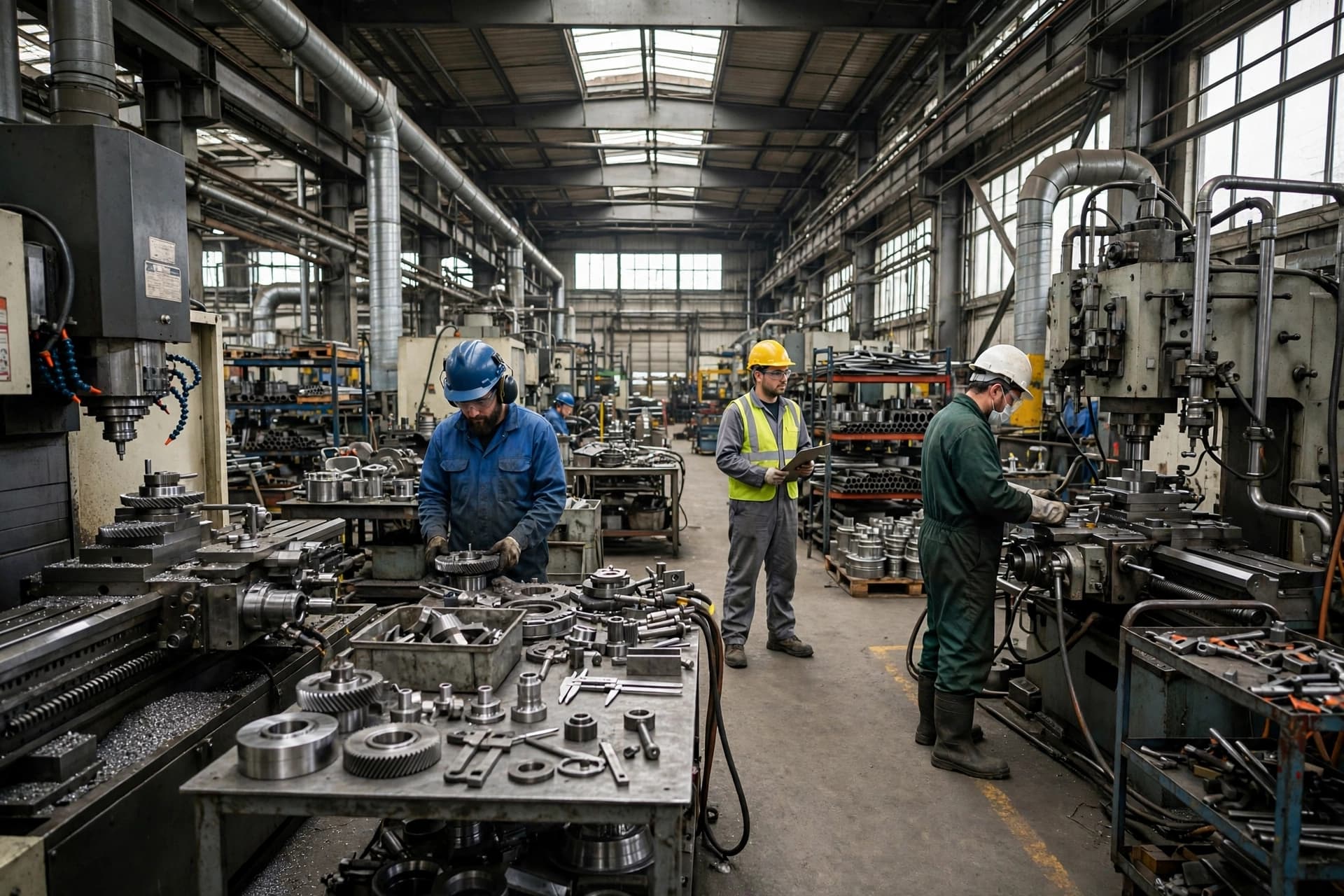
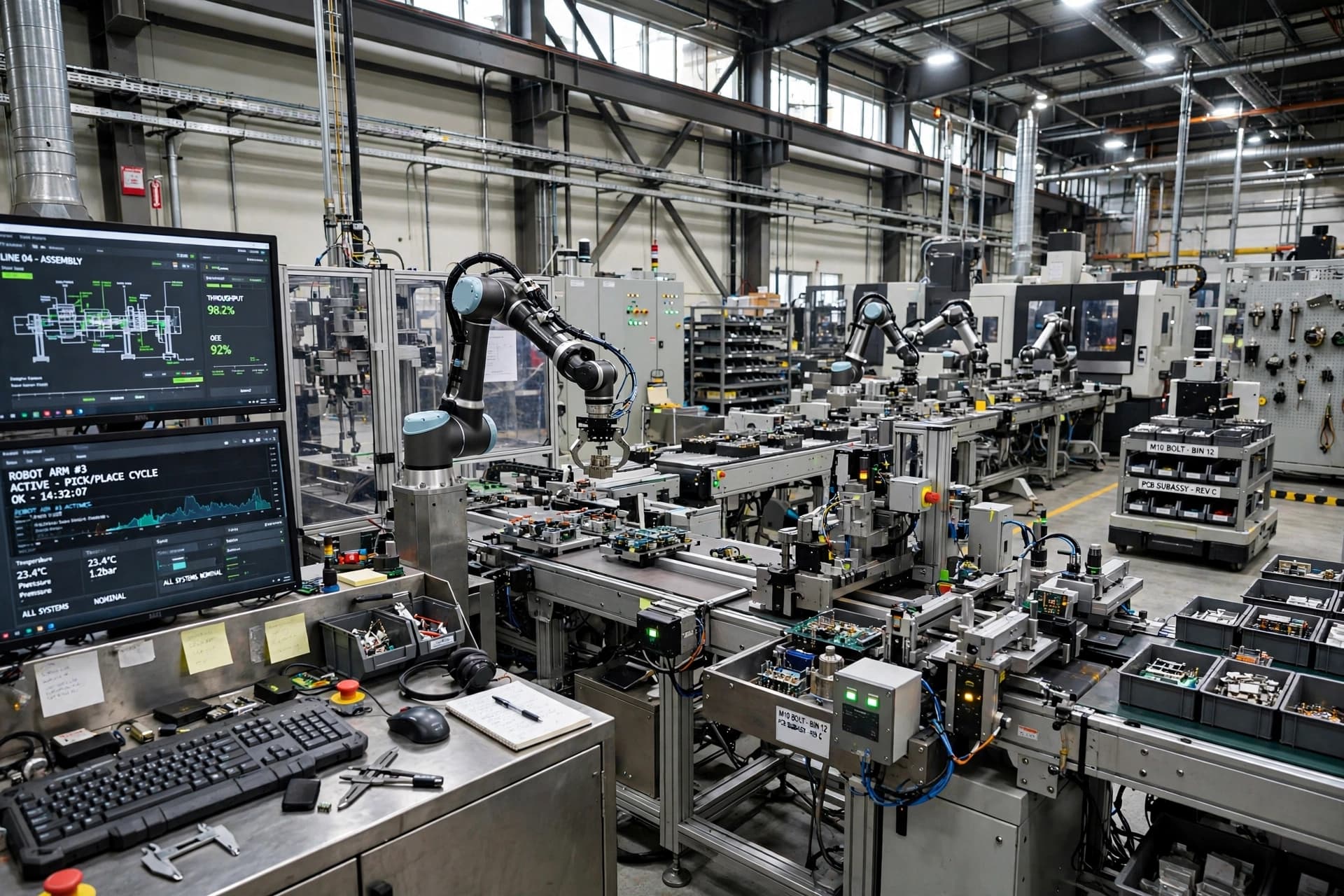
At the same time, Japan’s broader economy remains a mixture of different rhythms. Manufacturing activity expanded in August, with new orders rising at their fastest pace since January 2018, while the services sector also recorded growth. The industrial side of the economy is therefore showing renewed energy even as households and companies continue to navigate higher prices.
For now, the July service-price figure stands as another quiet marker in Japan’s changing economic landscape. There is no single moment when inflation becomes permanent; rather, it emerges through repeated movements in wages, costs, demand, and prices. The latest data show that service-sector prices continued to rise, keeping attention focused on how deeply those pressures may become embedded in Japan’s economy.
AI Image Disclaimer These illustrations were generated using AI tools and are conceptual representations rather than real photographs.
Sources Reuters Bank of Japan Nikkei S&P Global Channel NewsAsia
Published by Banx Network. This article is part of the Banx decentralized media programme, powered by the BXE token on the XRP Ledger.