There are events in the universe that unfold so slowly they seem almost still. Movements measured not in moments, but in millions of years, where change is constant yet imperceptible to any single glance. And yet, sometimes, a single image can gather that motion into something visible.
Far beyond the familiar boundaries of our own galaxy, the Antennae Galaxies drift toward and through one another in a long, gravitational encounter. Their name comes from the sweeping arcs of stars and gas that extend outward—structures formed as each galaxy pulls at the other, stretching matter into elongated streams that resemble delicate antennae.
Recently, an astrophotographer captured a striking image of this interaction, revealing not only the shape of the galaxies, but the complexity of their meeting. In the photograph, bright clusters of newly formed stars appear scattered along the regions where the two galaxies overlap, while darker lanes of dust trace the forces at work within them.
The scene is not one of sudden impact, but of gradual transformation. Within the field of astrophysics, such collisions are understood as processes that reshape galaxies over vast timescales. As they draw closer, gravitational forces compress clouds of gas, triggering waves of star formation. Over time, the two structures will merge, forming a single, larger galaxy.
What the image captures, then, is not a single moment, but a stage within a longer sequence. The galaxies have already begun to change, their original forms distorted, their internal dynamics altered. Yet they remain distinct, caught in a balance between separation and union.
There is a particular clarity that comes from seeing such distant events rendered in detail. Telescopes and imaging techniques translate faint light into visible structure, allowing what would otherwise remain abstract to take on form. The photograph becomes a bridge between scale and perception, bringing the distant into view.
At the same time, the image invites a certain restraint. It does not attempt to compress the entire process into a single narrative. Instead, it offers a glimpse—one angle, one phase, one arrangement of light and matter within an ongoing interaction.
Scientists and astronomers note that the Antennae Galaxies represent one of the nearest examples of a major galactic collision, making them an important subject for studying how such interactions drive star formation and structural change. The newly captured image highlights these processes, offering a detailed view of a transformation that continues across cosmic time.
AI Image Disclaimer
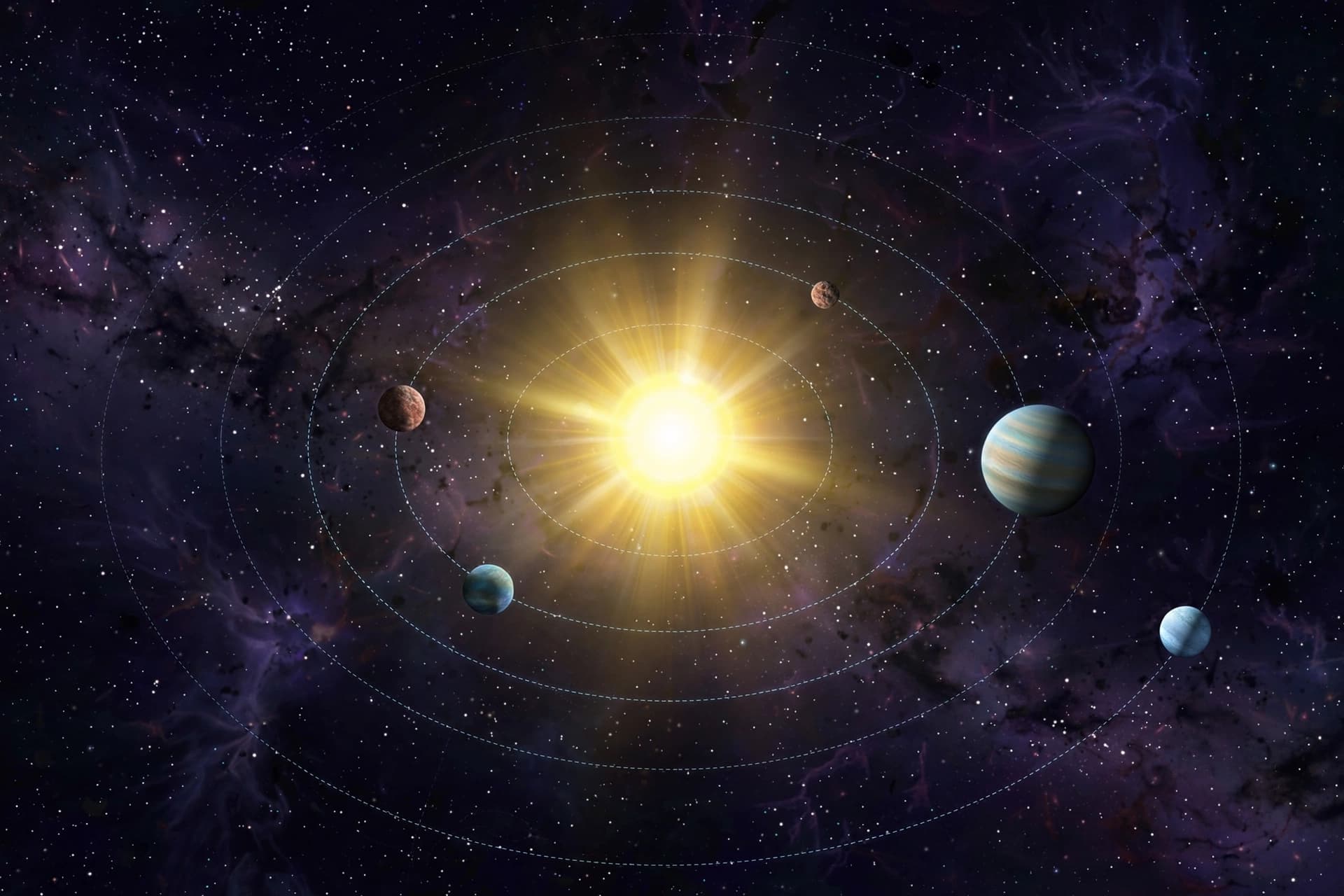
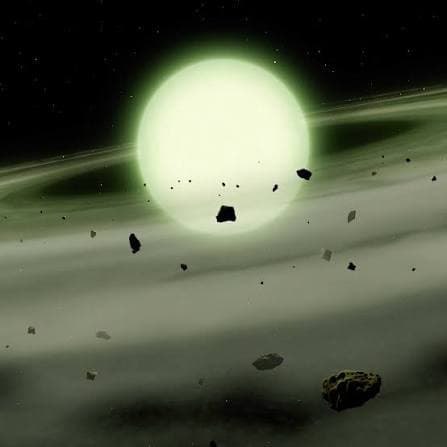
These visuals are AI-generated and serve as conceptual representations.
Sources
NASA ESA Hubble Space Telescope Astronomy Magazine Space.com
Published by Banx Network. This article is part of the Banx decentralized media programme, powered by the BXE token on the XRP Ledger.