Evening arrives differently in places where the sound of aircraft has become part of the landscape. In southern Lebanon, September has brought another series of nights in which families listen to the sky, watch the roads, and wait for news from nearby villages. The landscape remains familiar, but the rhythm of ordinary life has been interrupted again.
Israeli airstrikes in southern Lebanon killed at least 12 people on September 7, according to Lebanon’s Health Ministry. The reported deaths included civilians, among them children, as well as a medical worker. Reuters reported that the strikes were among the deadliest incidents in the area during the latest escalation.
The attacks were reported around Kfar Rumman and other locations in southern Lebanon. Medical facilities and emergency teams have continued working in difficult conditions as residents seek information about relatives and assess damage to homes and surrounding infrastructure.
The situation has also added another layer of uncertainty for communities that have already experienced displacement. Some families have moved several times, while others have remained near their homes despite repeated security concerns.
For residents, the consequences are measured not only in casualties but also in disrupted routines. Roads become difficult to use, schools and businesses face interruptions, and families must make decisions about whether to stay or move depending on developments from one day to the next.
Health workers have faced their own risks during the violence. The reported death of a medic underlines the difficulty of providing emergency care when areas of fighting and airstrikes remain close to civilian communities.
Southern Lebanon has experienced repeated periods of instability, particularly in areas close to the border. The latest escalation has again placed villages, roads, agricultural areas, and residential neighborhoods under pressure.
The human geography of the region is therefore changing with each new movement. A family leaving one village may stay with relatives elsewhere, while another may return when conditions appear calmer. Displacement can become temporary, then prolonged, depending on how quickly violence recedes.
For now, the immediate picture remains defined by continuing reports of strikes and casualties. Behind the numbers are roads, houses, clinics, schools, and families whose daily lives have become closely tied to the changing conditions around them. In southern Lebanon, another September night has passed, leaving communities once again waiting for a quieter morning.
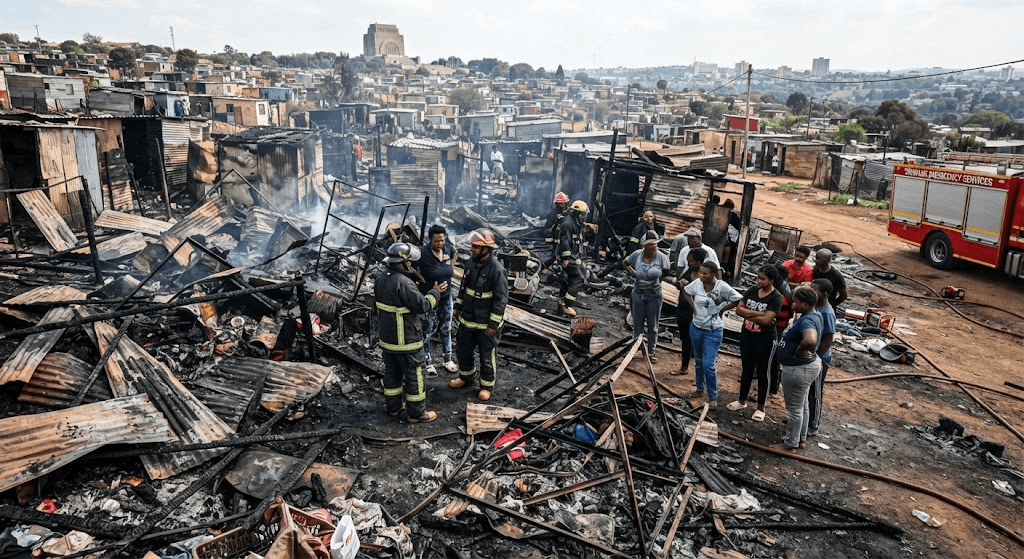
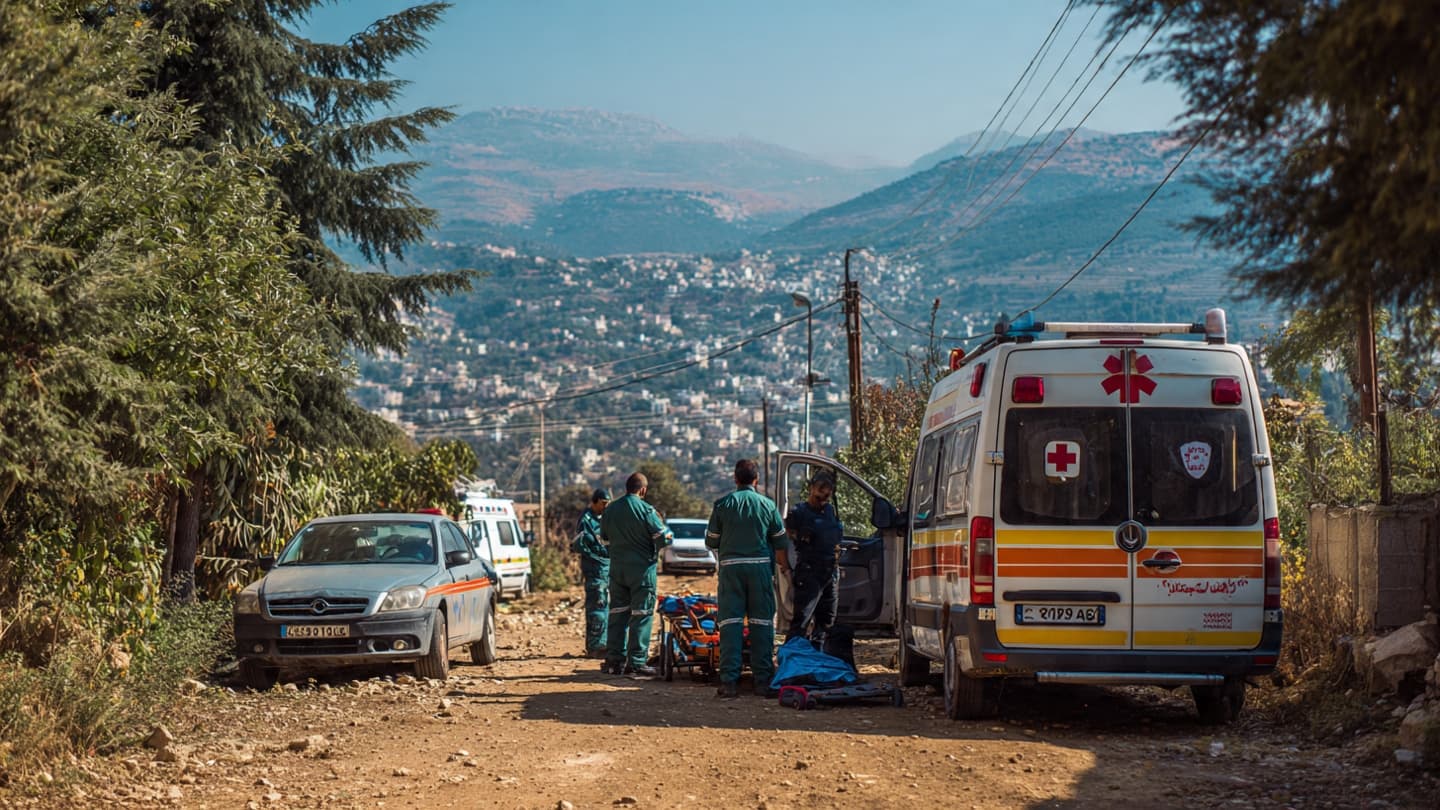
AI Image Disclaimer The accompanying visuals are AI-generated conceptual illustrations and do not depict the actual locations, victims, medical personnel, or events described in this article.
Sources Reuters Lebanon Ministry of Public Health Al Jazeera United Nations Lebanese Red Cross
Published by Banx Network. This article is part of the Banx decentralized media programme, powered by the BXE token on the XRP Ledger.