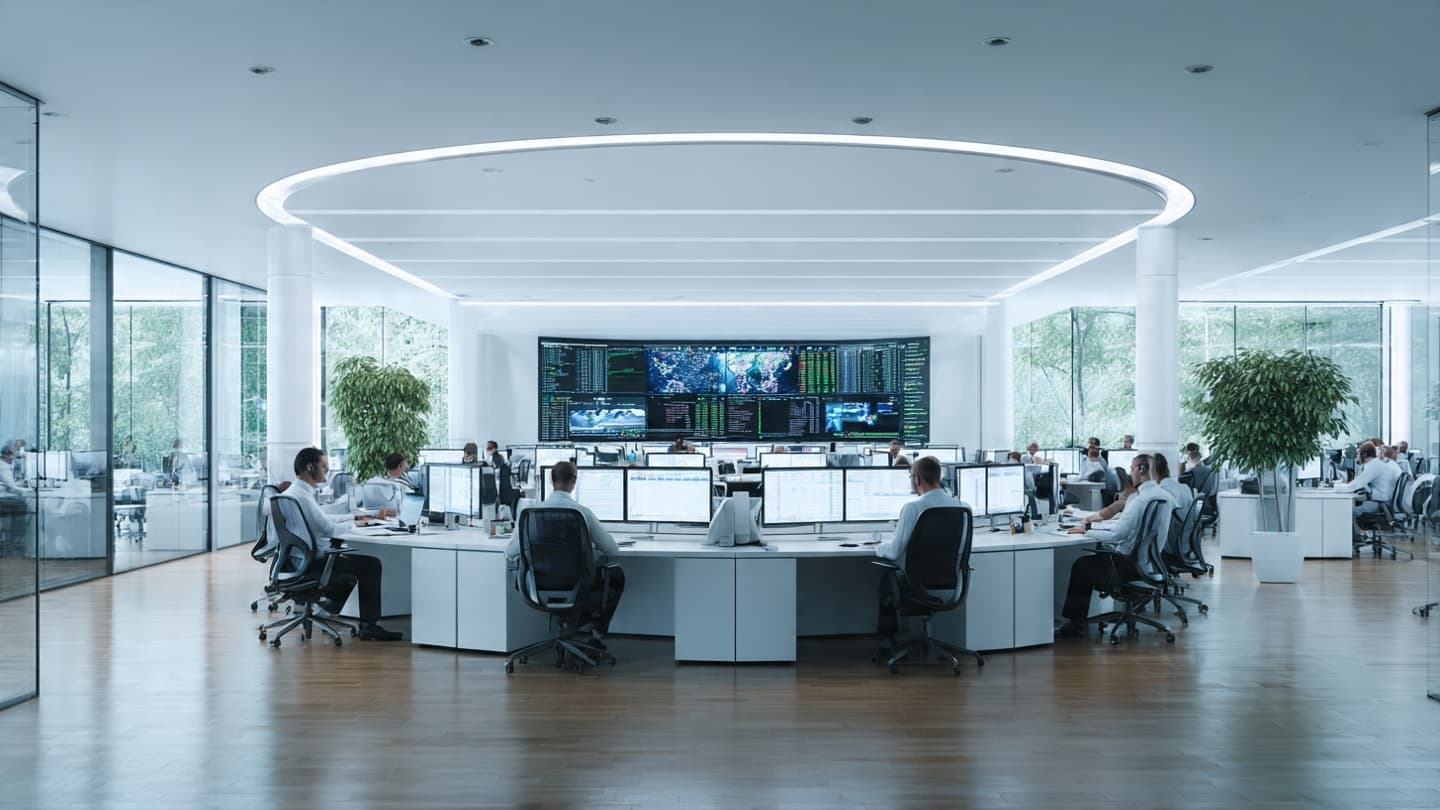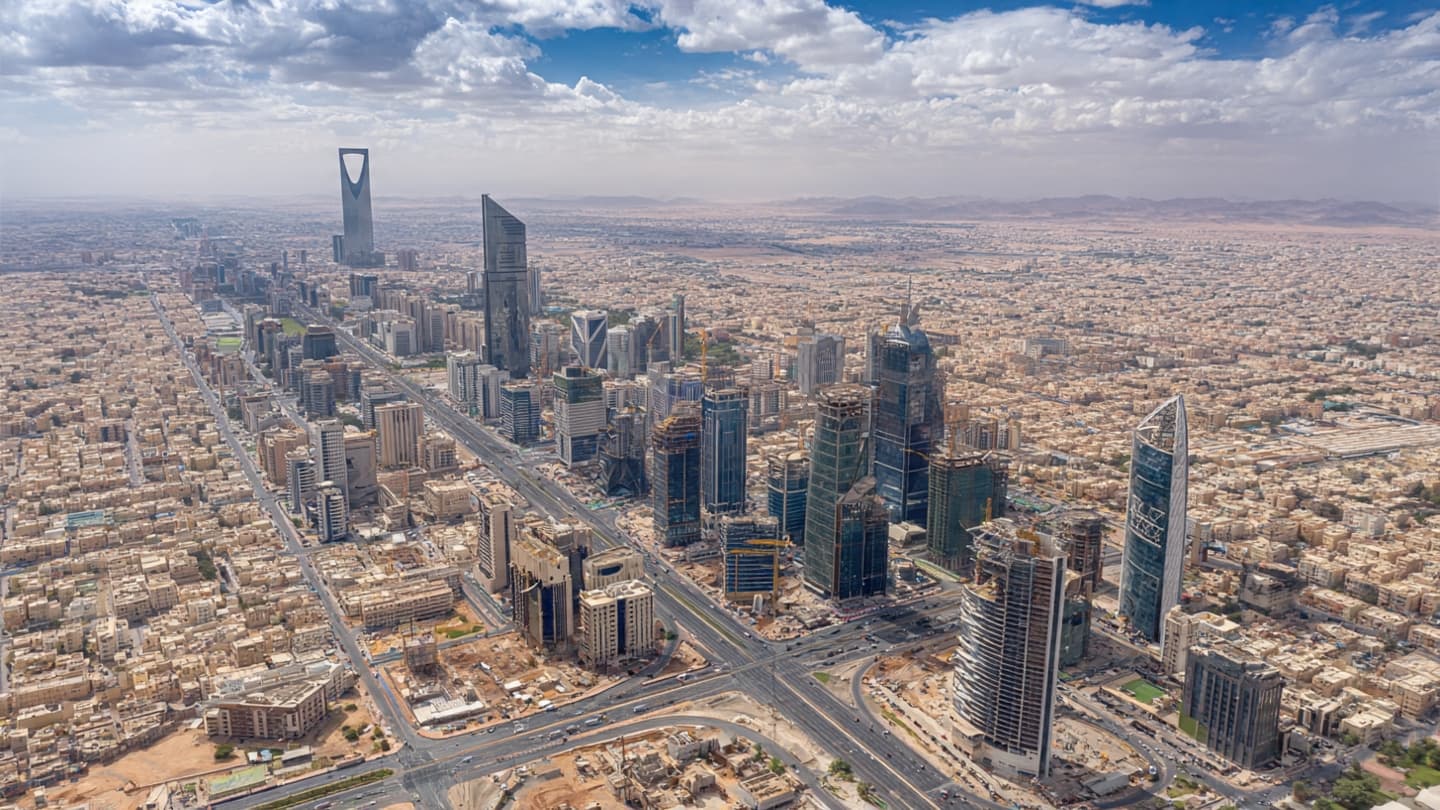
Across Riyadh, the business day begins before the desert heat reaches its highest point. Trucks move through expanding districts, shops prepare for customers, offices fill with workers, and construction continues along roads reshaping the city. Beneath those visible changes, August brought another sign of momentum: Saudi Arabia’s non-oil private economy accelerated at its fastest pace in six months.
The latest purchasing managers’ data showed that activity outside the oil sector remained firmly in expansion territory. New orders continued to provide an important source of strength, suggesting that companies were receiving enough demand to maintain production and services even as the wider regional environment remained uncertain.
For Saudi businesses, the distinction between oil and non-oil activity has become increasingly important. The kingdom’s economic landscape now includes large-scale construction, tourism, logistics, manufacturing, technology, finance, retail, and professional services. Each sector contributes a different thread to an economy gradually becoming more diversified.
August’s figures offered encouragement particularly through the movement of new business. When orders increase, companies have greater reason to maintain production, replenish inventories, and plan for future activity. The process is rarely dramatic when viewed from a distance, but across thousands of individual businesses it creates the rhythm behind broader economic statistics.
Riyadh provides perhaps the clearest physical expression of that transformation. New commercial districts sit alongside established neighborhoods, while hotels, offices, entertainment venues, transportation networks, and industrial facilities continue to develop. Economic expansion can therefore be seen not only through surveys and indexes, but also through the changing shape of the city itself.
The improvement nevertheless comes with an awareness of costs and uncertainty. Companies operating across the Gulf remain exposed to transportation conditions, supply chains, energy prices, and changes in international demand. Stronger orders can improve confidence, but businesses still need to judge carefully how much capacity they should add and how quickly they should expand.
For investors and companies watching Saudi Arabia, the latest numbers provide another indication that domestic economic activity is not moving entirely in step with the fluctuations of global energy markets. The non-oil sector has its own sources of demand, supported by consumers, businesses, infrastructure development, and the continuing expansion of services.
The significance of the August data therefore lies partly in its consistency. One month cannot determine the direction of an entire economy, yet a six-month high in non-oil growth adds another positive observation to the broader picture. It suggests that commercial activity remains capable of gathering speed even while businesses navigate a complicated regional environment.
As September begins, the landscape remains in motion. Behind Riyadh’s expanding skyline and across businesses throughout the kingdom, orders, services, investment, and consumer activity continue to shape the economy beyond oil. The latest figures simply place another marker along that longer journey.
AI Image Disclaimer: The visuals accompanying this article were generated with AI and are intended as conceptual representations rather than authentic photographs.
Published by Banx Network. This article is part of the Banx decentralized media programme, powered by the BXE token on the XRP Ledger.