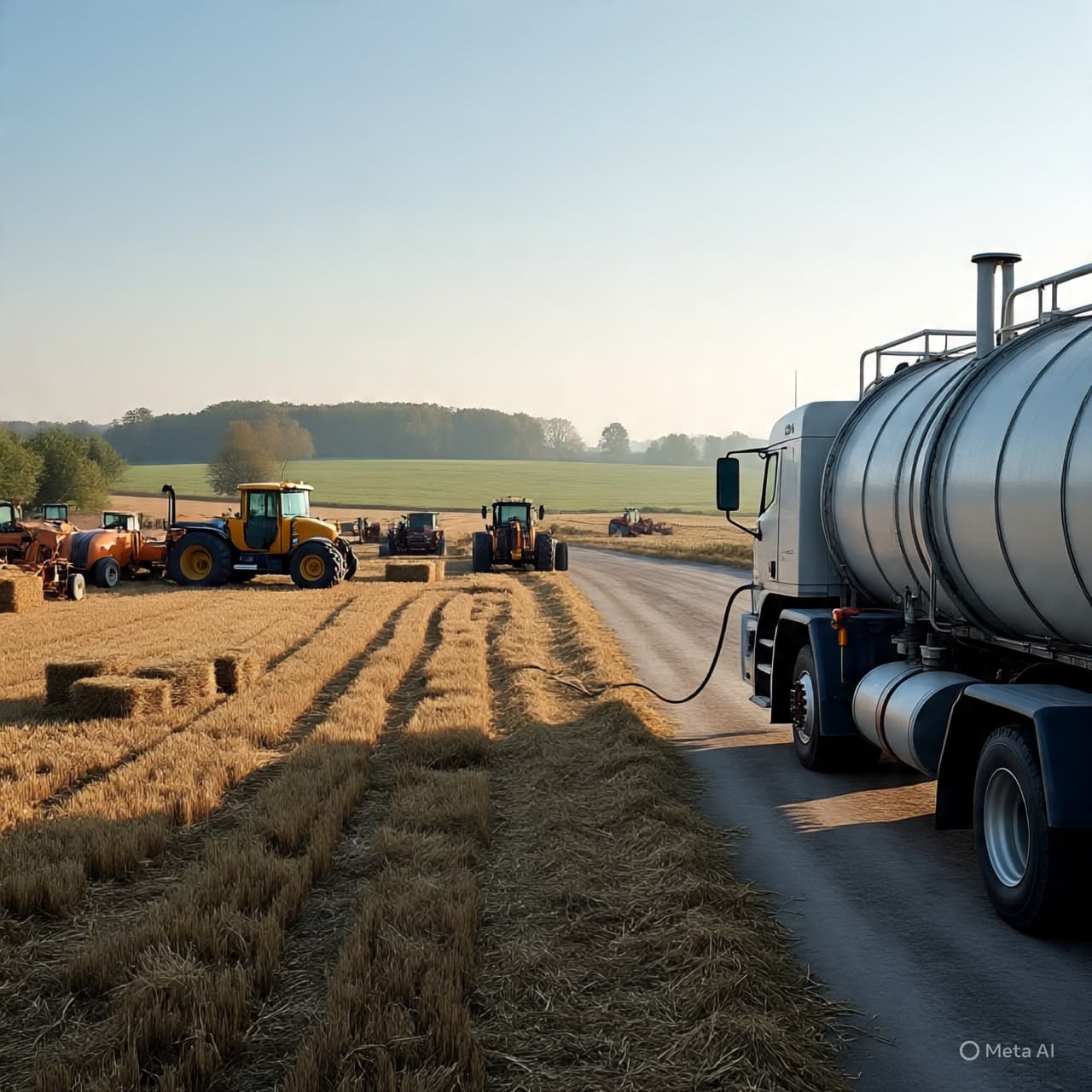
Morning often begins quietly on the farm. A pale light stretches across paddocks, dew resting on the grass as tractors and trucks wait where they were left the evening before. For many farmers, the day’s rhythm depends on fuel—the unseen current that keeps machinery moving across the land.
But in recent weeks, that current has begun to falter.
Far beyond the fields, tensions and fighting in the Middle East have unsettled the fragile routes that carry energy across the globe. The conflict involving Iran and regional rivals has stirred anxiety in energy markets, where oil supply depends on shipping lanes and infrastructure that thread through one of the world’s most strategically important regions.
When uncertainty rises in those waters, the effects often travel far beyond the desert and sea.
Fuel shipments slow, prices climb, and supply chains tighten. For farmers—whose work depends on diesel to power tractors, irrigation systems, harvesters, and transport vehicles—the ripple arrives quietly but unmistakably.
Across rural districts in countries such as New Zealand and Australia, some agricultural operators have begun to notice the strain. Deliveries that once arrived on predictable schedules are being delayed, and fuel reserves that normally last through busy weeks of planting or harvesting are shrinking more quickly than expected.
Agriculture has always been closely tied to global forces that stretch far beyond the farm gate. Weather patterns shape crops, international markets influence prices, and geopolitical events can alter the cost of the fuel that keeps machinery moving.
In recent days, energy markets have reacted nervously to developments in the region. Oil traders watch closely whenever instability touches the shipping corridors of the Persian Gulf, where a significant share of the world’s petroleum exports passes each day.
Even a hint of disruption can ripple through supply systems that connect refineries, shipping routes, and fuel distributors across continents.
For farmers, these global currents translate into practical questions. Will diesel supplies hold through the season? Will transport costs rise? Can machinery continue running during the busiest weeks of the agricultural calendar?
Many rural businesses operate on narrow margins, where increases in fuel costs can shift the balance of an entire season’s work. Harvesting, fertilizing, and transporting produce all rely heavily on diesel-powered equipment, meaning fluctuations in supply are felt quickly on the ground.
Some farmers are responding by conserving what fuel they have—postponing nonessential tasks, planning transport routes more carefully, and watching the gauges on storage tanks with growing attention.
Meanwhile, governments and industry groups continue to monitor fuel distribution systems, seeking to ensure that essential sectors such as agriculture can maintain operations despite global uncertainty.
The distance between a rural field and a geopolitical conflict can seem immense. Yet the world’s energy system binds them together in quiet and complicated ways.
And so, while the sun rises again over paddocks and orchards, farmers check their equipment, measure their fuel reserves, and continue the patient work of the land—aware that events unfolding thousands of miles away may shape the rhythm of their next season.
Published by Banx Network. This article is part of the Banx decentralized media programme, powered by the BXE token on the XRP Ledger.