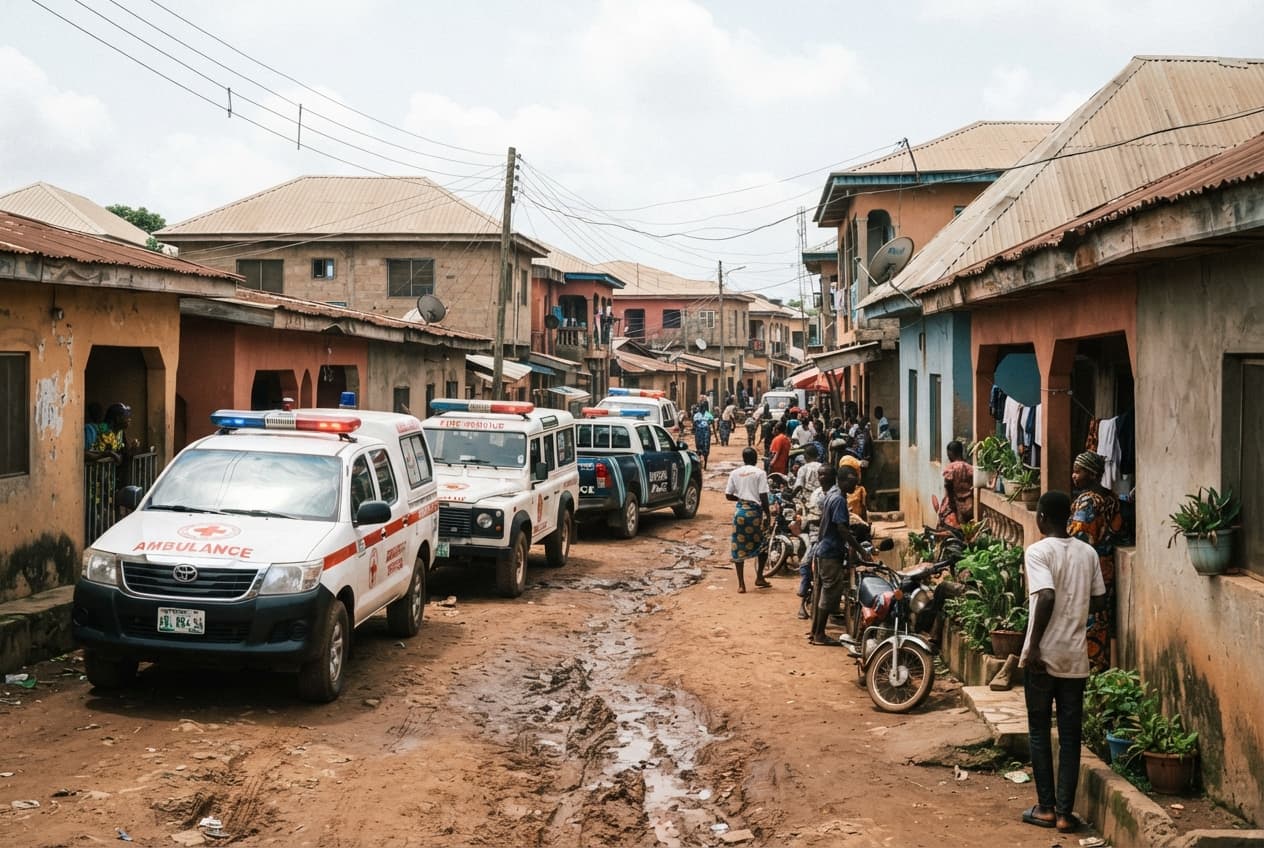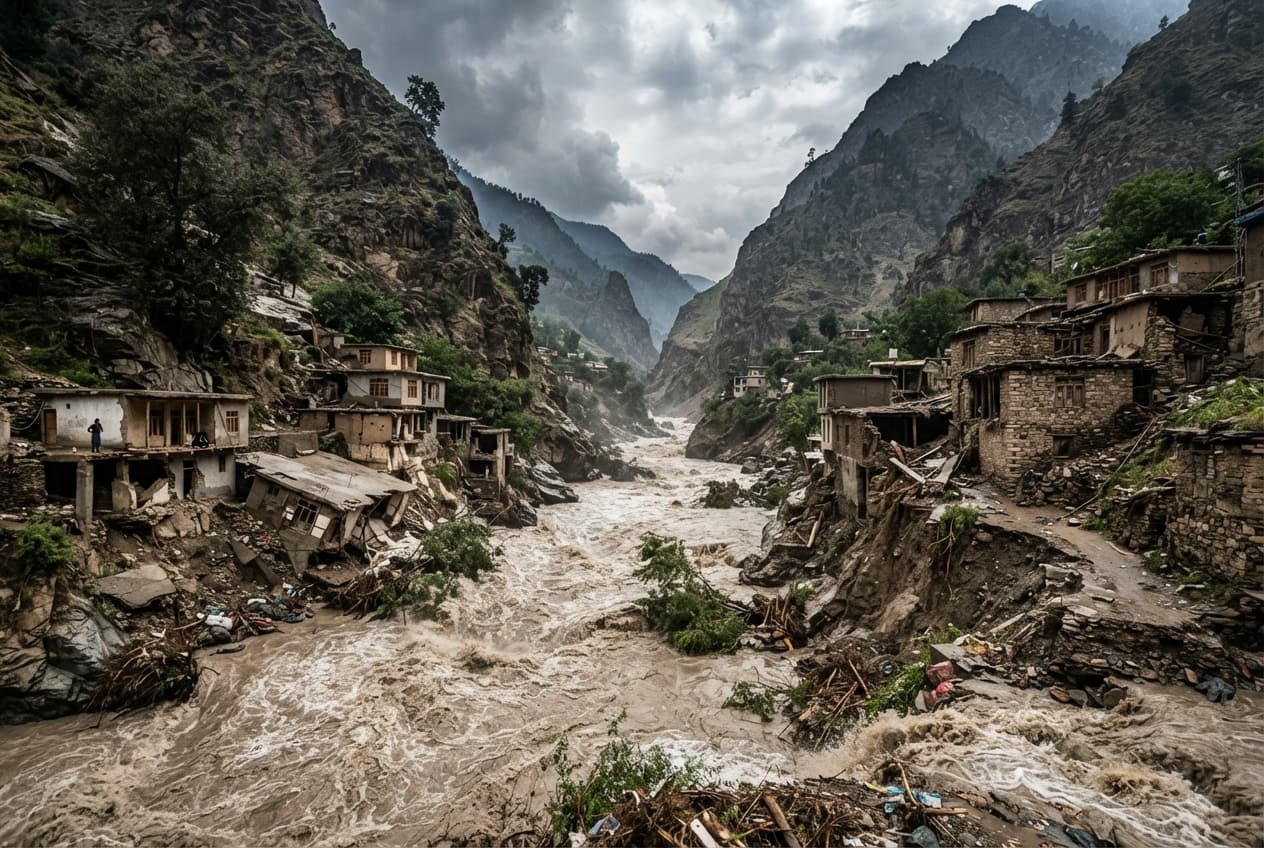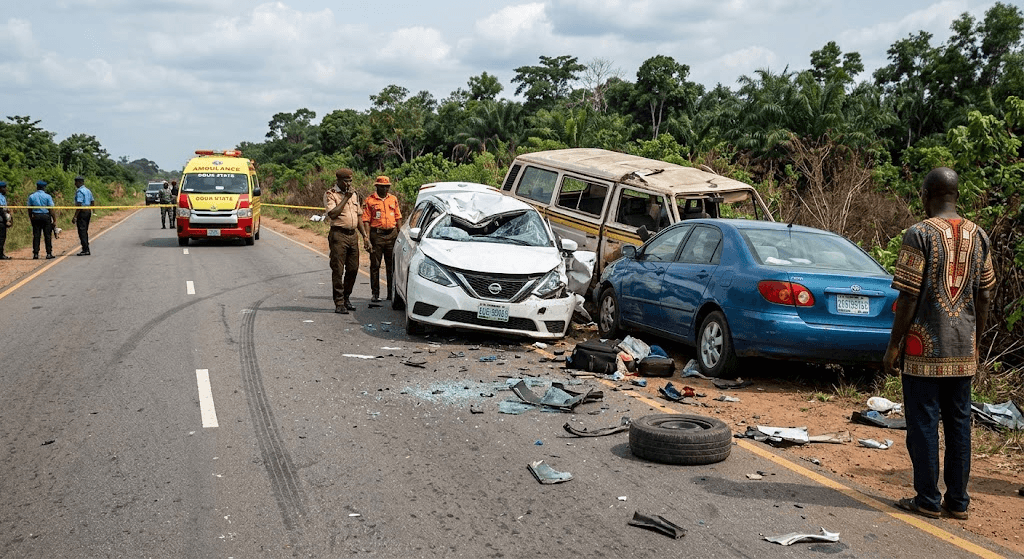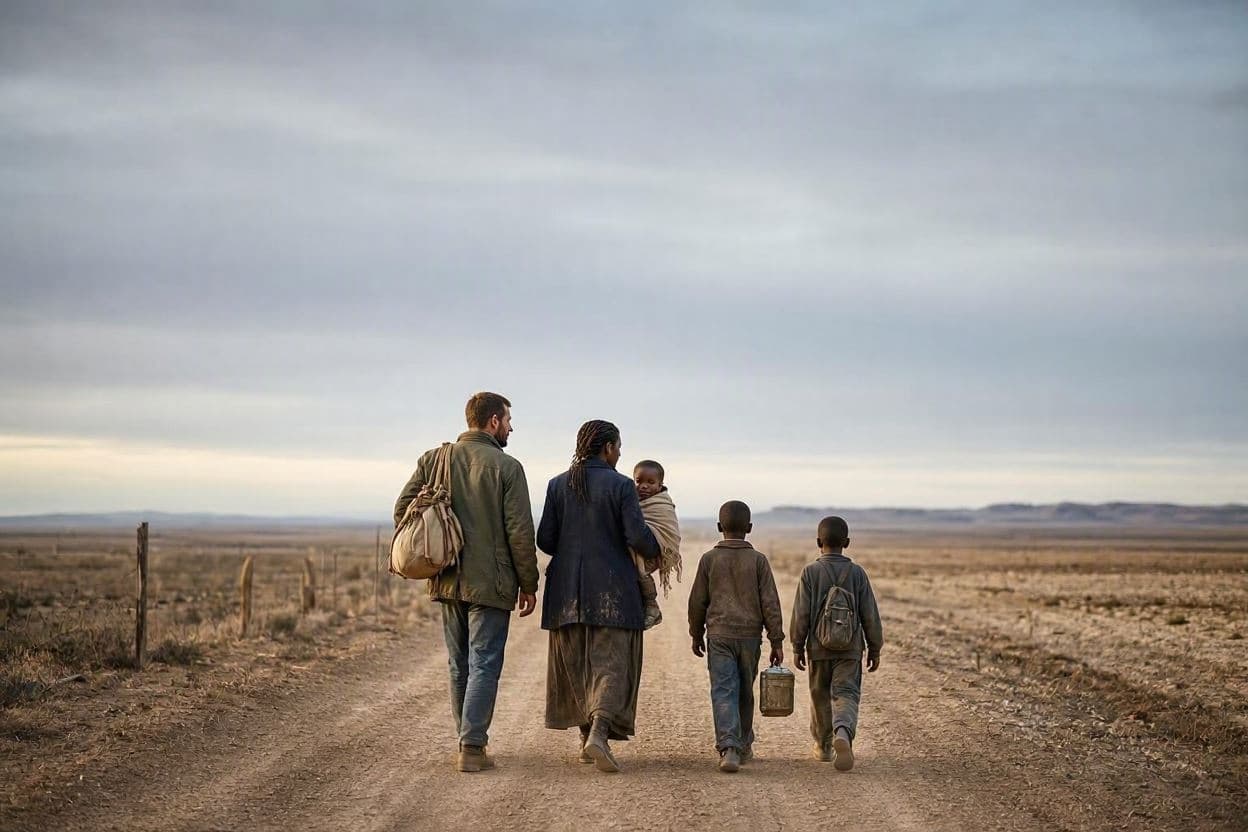
In the rugged landscapes of Yemen, where history is etched into stone and sand, a fresh wave of sorrow has begun to unfold. The reignition of conflict has forced more than 125,000 people to flee their homes, leaving behind not just possessions but the very fabric of their daily lives. This sudden displacement is a stark reminder of the fragility of peace and the profound human cost of war. As families scatter across the countryside, their stories echo a universal plea for safety and dignity in the face of chaos.
The recent escalation, driven by renewed offensives and retaliatory strikes, has shattered the relative calm that had settled over parts of the country. According to United Nations reports, the majority of those displaced are women and children, who bear the brunt of such upheaval. They carry with them little more than the clothes on their backs, seeking refuge in makeshift camps or with distant relatives. The speed of their exodus underscores the intensity of the fighting, which has once again turned civilian areas into zones of danger.
The humanitarian situation is dire, with access to food, water, and medical care becoming increasingly precarious. Aid organizations are struggling to keep pace with the growing needs, hampered by logistical challenges and security risks. The infrastructure, already weakened by years of conflict, is further strained by the influx of displaced persons. This crisis is not just a statistical increase in numbers but a deepening tragedy for individuals who had begun to hope for a stable future.
For many, the decision to leave was not made lightly. It was a choice born of necessity, driven by the immediate threat to life. The phrase "we left everything behind" captures the essence of this loss, encompassing not only material goods but also memories, community ties, and a sense of belonging. These intangible losses are often the hardest to quantify but are among the most painful to endure. The psychological toll of such displacement can last for generations, shaping the identity of a people.
The international community has responded with concern, calling for an immediate cessation of hostilities and increased humanitarian access. However, the path to peace remains elusive, complicated by regional dynamics and internal divisions. The involvement of external actors has often exacerbated the conflict, making resolution more difficult. As diplomatic efforts continue, the people on the ground wait in uncertainty, their lives suspended in a state of limbo.
Despite the hardships, there are stories of resilience and solidarity. Communities come together to share resources, offering shelter and support to those who have lost everything. Local volunteers work tirelessly to distribute aid, demonstrating the enduring strength of the human spirit. These acts of kindness, though small in the face of such large-scale suffering, provide a glimmer of hope and a reminder of our shared humanity.
As the world watches, it is crucial to remember that behind every number is a person with a name, a story, and a dream. The displacement of 125,000 individuals is a collective failure to protect the vulnerable. It calls for a renewed commitment to peacebuilding and humanitarian assistance, ensuring that no one is left behind in the pursuit of stability. The eyes of the world must remain fixed on Yemen, not just in moments of crisis but in the long journey toward recovery.
The crisis in Yemen is a poignant reminder of the urgent need for peace and compassion. As thousands struggle to rebuild their lives, the international community must remain engaged and supportive. The road ahead is long and difficult, but with sustained effort and empathy, it is possible to alleviate suffering and foster a future where all can live in safety. The voices of the displaced must be heard, and their plight addressed with urgency and care.
AI Image Disclaimer: Visuals associated with this article are AI-generated artistic interpretations created for illustrative purposes and do not represent actual photographs of the conflict or displaced persons.
Sources: The Guardian Al Jazeera United Nations News Anadolu Agency
Published by Banx Network. This article is part of the Banx decentralized media programme, powered by the BXE token on the XRP Ledger.