Summer in France usually carries a familiar rhythm: terraces filling in the evening, markets opening beneath the morning light, and streets becoming quieter during the hottest hours of the day. Behind that seasonal scene, however, businesses are constantly measuring another kind of temperature. In July, that measure became slightly warmer as French business confidence reached its highest level in four months.
INSEE's monthly survey showed the overall business climate indicator rising to 97 points in July, up from the previous month. The figure remained below the long-term average of 100, meaning the improvement was still cautious rather than exuberant. Even so, it represented the strongest reading since March and suggested that companies were beginning to look toward the future with somewhat less hesitation.
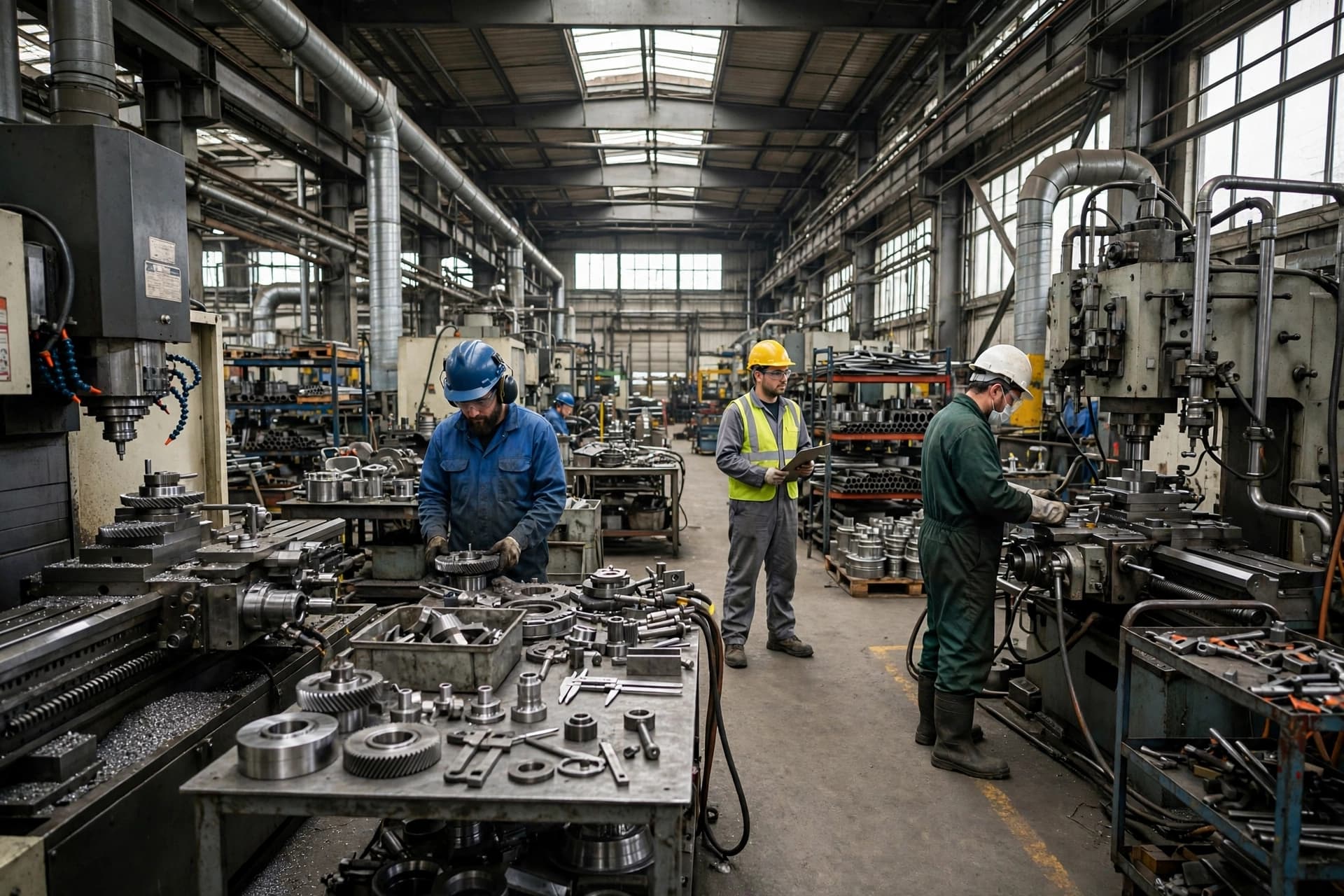
Manufacturing confidence increased to 101 from 100 in June. Companies reported stronger output and improved order books, providing a more encouraging picture for factories that had spent months facing uncertain demand and higher costs. The improvement was particularly notable because manufacturers remained exposed to movements in energy prices and disruptions in international supply chains.
Services also showed a modest improvement. Confidence in France's largest economic sector rose two points to 98, although businesses continued to report above-normal uncertainty. Hotels and restaurants saw particularly strong expectations for demand, with some establishments benefiting from domestic customers seeking air-conditioned accommodation during the intense summer heat.
Retail businesses recorded the strongest increase among the major sectors. Their confidence indicator jumped eight points to 99, supported by stronger expectations for orders and a better assessment of the economic outlook. The movement offered another sign that consumers were contributing to the broader improvement in economic activity after household spending helped France return to growth in the second quarter.
The improvement came during an unusually demanding summer. France experienced intense heatwaves, while businesses were also navigating international economic uncertainty. By early August, Meteo-France reported that July had been the hottest month ever recorded in the country, with an average temperature of 24.9 degrees Celsius. The heat also contributed to wildfires in several areas.
Supply conditions remained another concern. INSEE's survey found that 22% of businesses reported supply-side constraints, the highest proportion since late 2023. That figure illustrated the distance between improving confidence and the practical difficulties companies still faced when securing the materials and inputs needed for daily operations.
The broader economy nevertheless offered some room for optimism. France's GDP expanded 0.2% in the second quarter after shrinking 0.1% in the first quarter. Household spending and exports, particularly in the aeronautics sector, helped support the recovery. Yet the government had lowered its full-year growth forecast to 0.7%, reflecting the continuing uncertainty surrounding the economic environment.
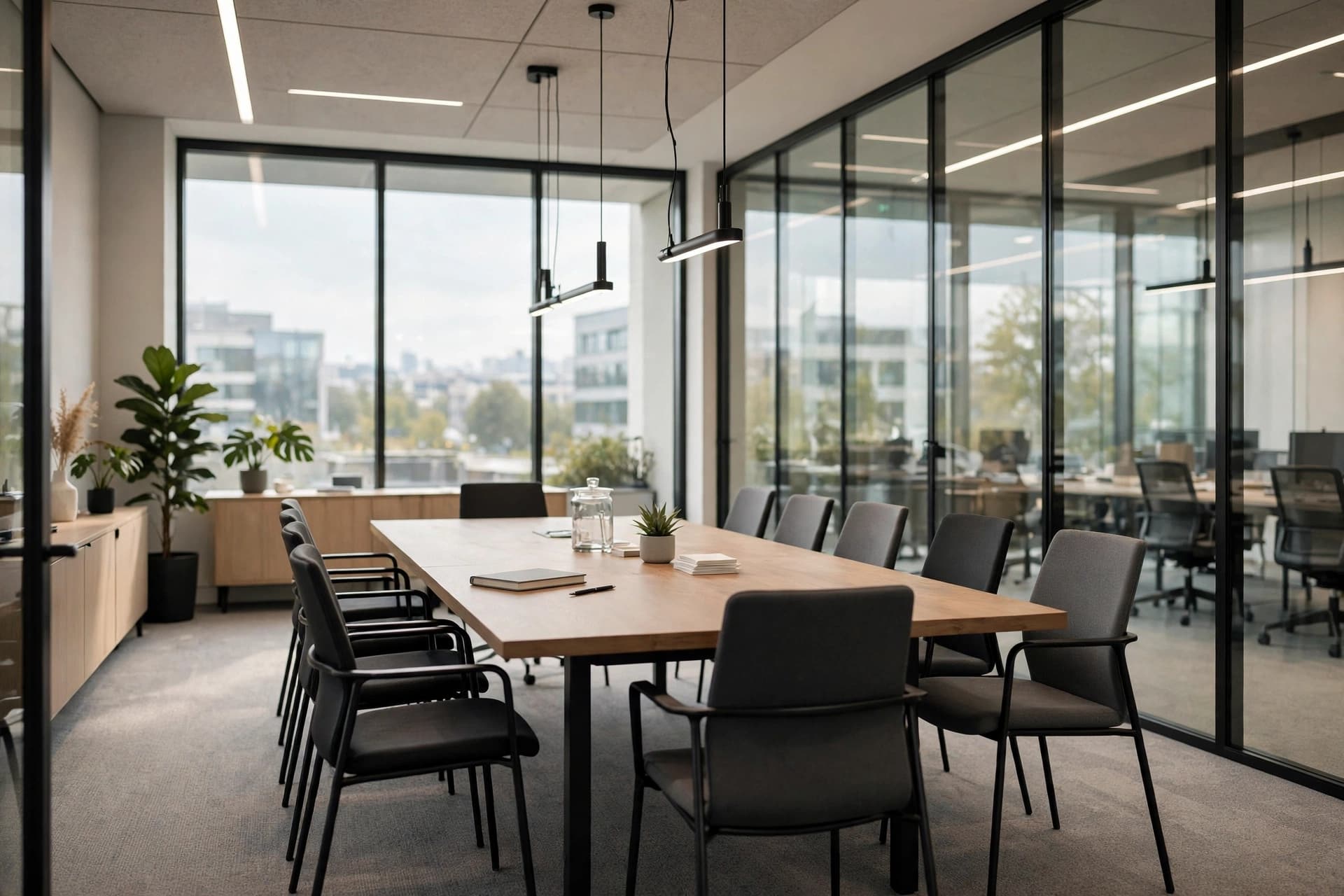
The July confidence figures therefore sit somewhere between recovery and caution. Businesses were more optimistic than they had been in previous months, but the numbers remained below their long-term average, while supply constraints and external pressures continued. For now, the French business climate is showing greater resilience, with companies entering the later part of summer carrying a little more confidence but still watching the economic horizon carefully.
AI Image Disclaimer: These illustrations were created using AI tools and are not real photographs.
Sources: Reuters, INSEE, Meteo-France.
Published by Banx Network. This article is part of the Banx decentralized media programme, powered by the BXE token on the XRP Ledger.