In the slow light of early morning, when mist lingers between moss‑covered trunks and dew hangs like quiet jewels on lichen and leaf, the forest exudes an air of patience — an age‑old testament to the rhythms of growth, decay, and renewal. Here, where human footsteps are few and seasons turn in gentle cycles, the woodland seems to breathe in a manner that is both life‑affirming and still, a lull in the larger symphony of Earth.
Beneath this tranquil façade, however, lies a profound ledger of matter and motion, written over centuries through the slow exchange of carbon between air, trees, and soil. In new research unfolding from the boreal forests of Sweden, scientists have brought to light just how deeply this ledger is etched in forests left undisturbed by industrial management. By painstakingly mapping old‑growth forests and measuring carbon at more than two hundred plots over three years, researchers from Lund University and Stanford University have revealed that nature’s ancient groves hold far more carbon than their managed counterparts — not by a little, but by a dramatic margin that demands careful reflection.
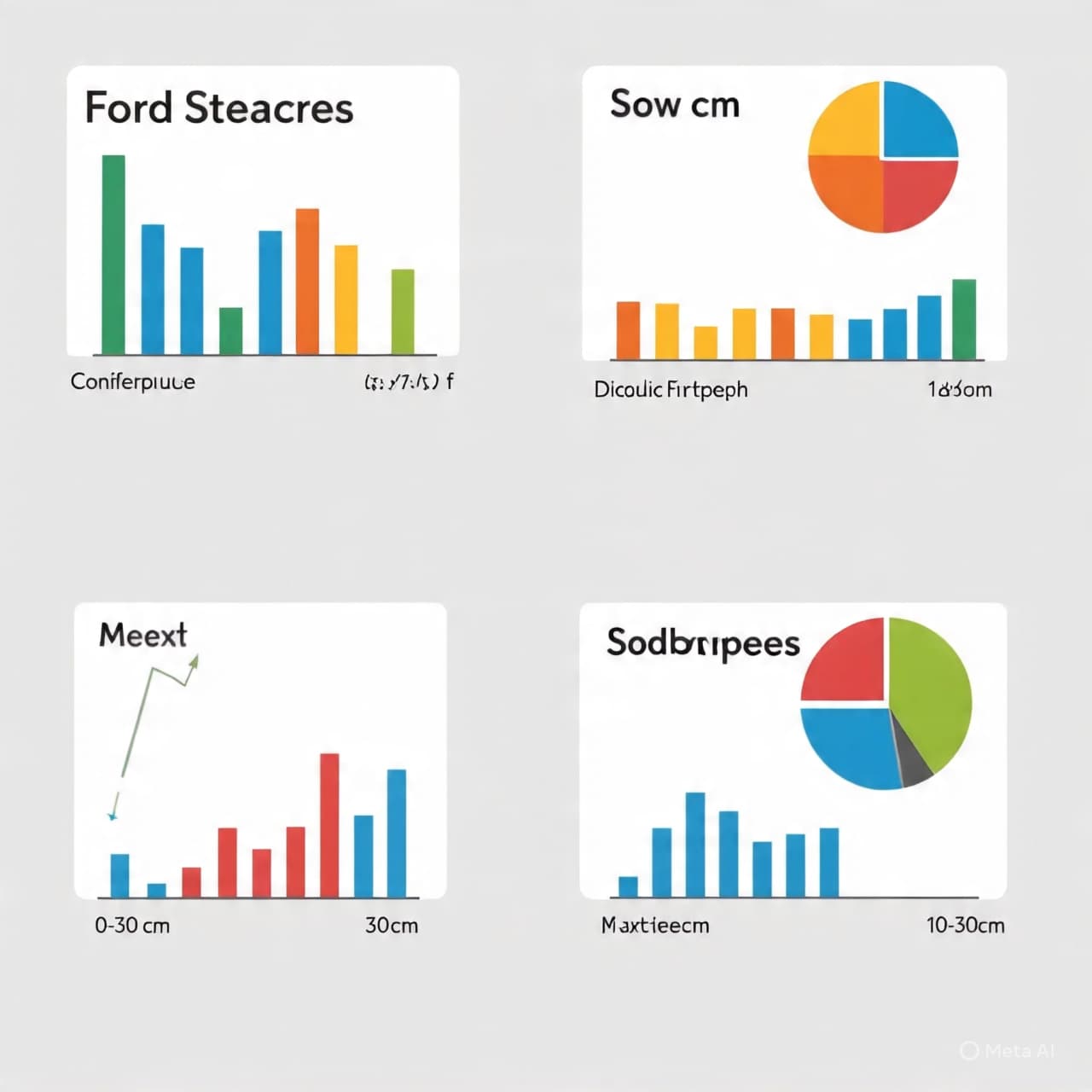
These primary forests, having grown and matured over centuries, store a remarkable amount of CO₂ both in towering trees and in the rich humus beneath their feet. When compared with managed forests — often single‑species plantations rotated on short cycles for timber and other products — the undisturbed woods were found to contain roughly 72 % more carbon per acre. And when the accounting sets aside the carbon lightly credited to harvested wood products such as paper, bioenergy, and building materials, the difference grows to about 83 % more stored CO₂ in the forests that have never been industrially logged.
What is most striking to many of the researchers involved is not just the quantity of carbon, but where much of it resides. In these ancient woodlands, the soil — teeming with microbial life and rich organic matter accumulated across generations — holds as much carbon as the trees above and the dead wood within combined. This subterranean vault, shaped by centuries of fallen leaves, fallen limbs, and slow decomposition, makes old forests incomparable reservoirs of Earth’s breath.
By contrast, managed forests — where industrial activities clear, plant, thin, and harvest trees on rapid cycles — tend to disrupt the continuity of life and soil richness that old forests accrue over long spans of undisturbed time. Even as planted stands grow and sequester carbon, the disturbance of soil and the removal of wood reduces the overall store that these landscapes can hold. In essence, the more frequent the human touch, the less deep and complete the carbon ledger tends to be.
In this still and verdant world where trees rise and fall to the ancient cadence of seasons, the difference between managed and old forests speaks not only to how we use the land but to how Earth’s systems retain the stories of climate and life. The new analysis published in Science suggests that if soils in managed forests could hold as much carbon as those in old‑growth stands, billions of additional tons of CO₂ could remain out of the atmosphere — a testament to how much these quiet ecosystems matter in the global balance of carbon.
In straightforward terms, researchers led by Lund University and Stanford have quantified carbon stocks in Swedish old‑growth and managed forests, finding that primary forests store significantly more CO₂ — up to 83 % more per acre when accounting for vegetation, dead wood, and soil. These results underscore the importance of soil carbon and long‑term forest integrity in climate‑related carbon storage assessments.
AI Image Disclaimer: Visuals are AI-generated and serve as conceptual representations.
Sources: Carbon Herald, Stanford University Sustainability Office, EurekAlert!
Published by Banx Network. This article is part of the Banx decentralized media programme, powered by the BXE token on the XRP Ledger.