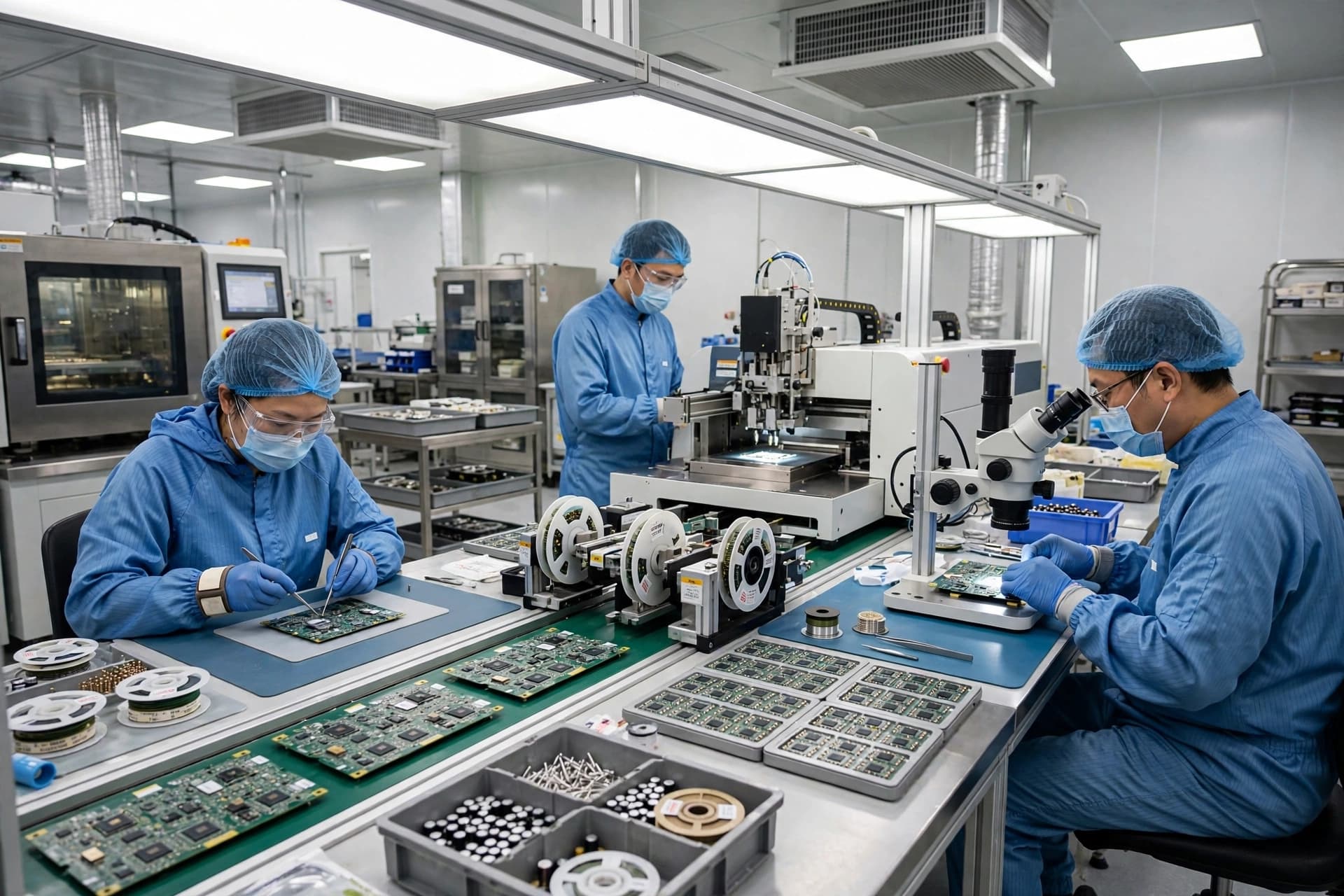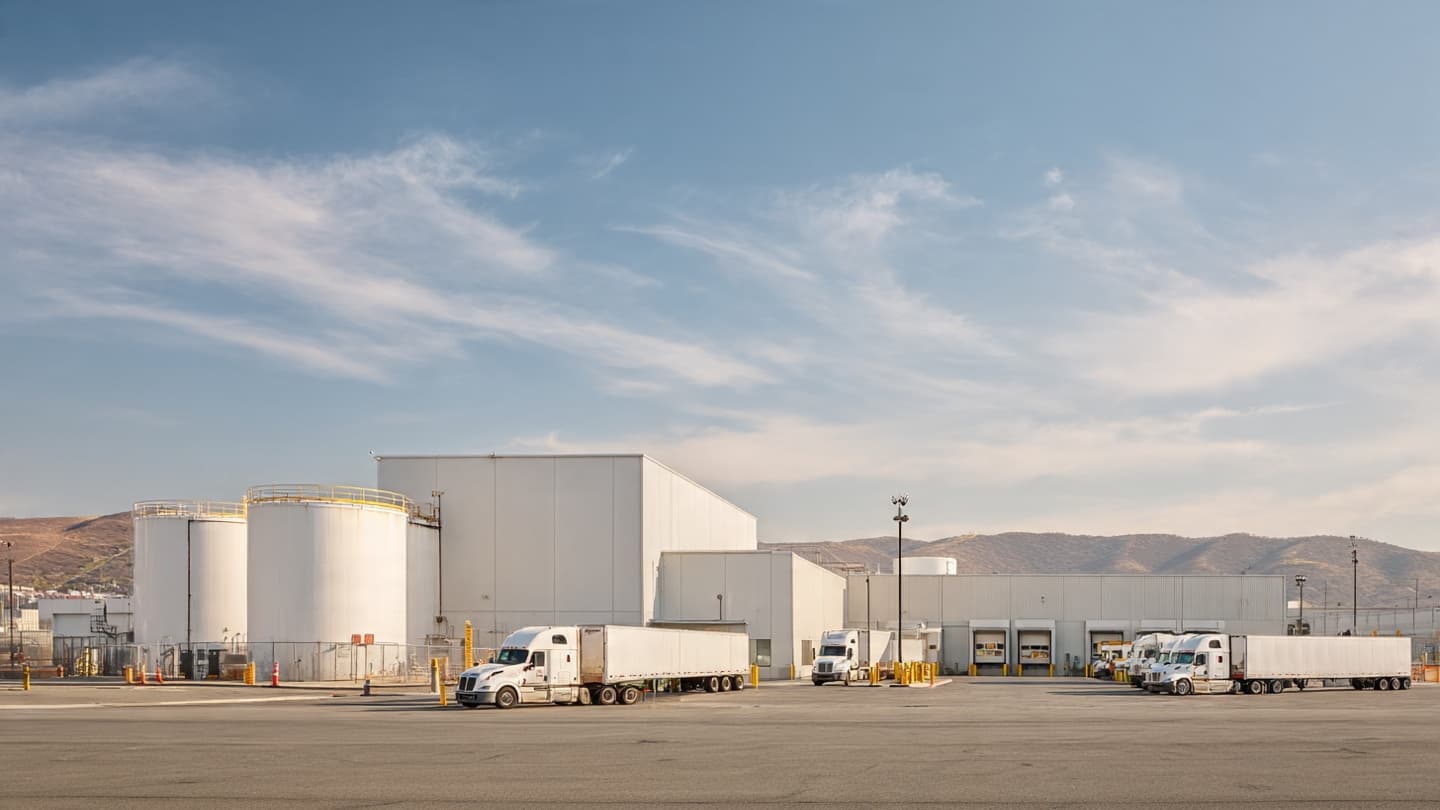
Across parts of the United States, the familiar landscape of warehouses, laboratories and industrial buildings is beginning to carry another layer of meaning. Pharmaceutical companies from around the world are committing enormous sums to American manufacturing and research, creating a new geography for the production of medicines. Reuters reports that global drugmakers have announced more than $500 billion in U.S. investments.
The movement involves some of the industry's largest names, including Pfizer, Eli Lilly, Johnson & Johnson, Roche, AstraZeneca and Novartis. Their plans differ in size and purpose, but together they point toward a common effort to expand production capacity, research operations and supply-chain infrastructure within the United States.
Pfizer has announced plans to invest $70 billion in research and domestic manufacturing. Eli Lilly is developing multiple U.S. facilities, while Johnson & Johnson has said it will increase its American investment by 25 percent, reaching $55 billion. Roche has committed more than $50 billion, including an expansion in North Carolina.
AstraZeneca has also announced a $50 billion U.S. investment plan through 2030, while Novartis expects to build or expand 10 American sites with a combined investment of $23 billion. Other pharmaceutical companies, including Merck, Biogen, Amgen, AbbVie, Gilead and Sanofi, are also expanding their American operations.
The numbers are striking, but the broader story is about where medicines are made. For decades, pharmaceutical supply chains have crossed continents, connecting research laboratories, chemical producers, manufacturers and distribution centers across different countries. The new investment wave could place more of those links closer together within the United States.
Trade conditions are one of the forces behind the shift. Pharmaceutical companies are seeking ways to reduce exposure to possible tariffs and international supply disruptions, while policymakers are encouraging domestic production. Some companies have received tariff-related exemptions or grace periods as part of arrangements with the U.S. government.
The investment also reaches beyond factories. Research and development facilities are part of many of the announced plans, creating the possibility of closer connections between scientific discovery and commercial production. In an industry where manufacturing and research increasingly depend on advanced technologies, the physical location of those capabilities can influence how quickly new medicines move toward patients.
There is an economic dimension as well. New pharmaceutical facilities require construction, specialized equipment, engineers, researchers and manufacturing workers. Communities receiving these projects may see new employment and infrastructure, while companies gain greater control over portions of their production networks. The full economic effects, however, will unfold gradually as the facilities are built and operations expand.
For the pharmaceutical industry, the scale of the commitments suggests that supply-chain resilience has become a long-term consideration rather than a temporary response. More than $500 billion in announced U.S. investments represents a substantial reorientation of capital, research and manufacturing capacity.
The factory buildings themselves may look ordinary from the outside, but behind their walls the geography of modern medicine is being quietly rearranged. For patients, the immediate effects may not be visible. Over time, however, these investments are expected to influence where medicines are researched, manufactured and supplied across the United States.
Published by Banx Network. This article is part of the Banx decentralized media programme, powered by the BXE token on the XRP Ledger.