The sound of machinery has always carried a particular rhythm across Japan's industrial landscape. In August, that rhythm became faster. Factory activity expanded at its strongest pace in years, supported by rising orders and growing demand connected to semiconductors and artificial intelligence.
The S&P Global Flash Japan Manufacturing Purchasing Managers' Index climbed to 55.1 in August from 54.5 in July. The figure marked the sharpest increase in new orders since January 2018, placing Japanese manufacturers at the center of a stronger-than-expected industrial moment.
Production increased alongside new business, with overseas orders also strengthening. Semiconductor-related industries were among the important sources of demand, reflecting the way the global expansion of AI infrastructure is reaching beyond software companies and into factories producing components and equipment.
For Japan, this connection is especially significant. The country's industrial economy remains deeply linked to machinery, electronics, chemicals and precision manufacturing. As AI systems require increasingly sophisticated chips and supporting equipment, Japanese manufacturers can benefit from demand that begins in distant data centers but eventually arrives at their factory doors.
Employment in manufacturing also increased, according to the survey. Manufacturers expanded purchasing as supplier delivery times lengthened, suggesting that stronger orders were beginning to move through production networks. The relationship between orders, workers and materials creates a chain in which an increase in one part of the industrial system can gradually reach others.
The wider private sector also showed improvement. Japan's services PMI rose to 52.3, while the composite output index reached 53.4, its highest level since February. The figures indicate that the improvement was not confined entirely to factories, although manufacturing remained the stronger source of momentum.
Cost pressures offered a more complicated background. Input-price inflation slowed to a five-month low, but selling prices for goods and services remained elevated. For manufacturers, stronger demand can therefore bring both opportunity and the continuing task of managing costs.
Business confidence also improved during August. Manufacturers were particularly optimistic about future sales and market conditions, suggesting that companies were looking beyond the immediate rise in orders and seeing possibilities for continued activity.
The latest figures arrive after Japan's second-quarter GDP performance had slowed, making the manufacturing rebound an important counterpoint. The economy is not moving uniformly in every direction, but the factory sector is showing a degree of resilience that is closely connected to global technology demand.
For now, Japan's manufacturing floor is moving with a stronger pulse. August's PMI, rising new orders and semiconductor-related demand suggest that artificial intelligence is becoming an increasingly visible force within the country's industrial economy, connecting distant digital systems with the physical world of Japanese production.
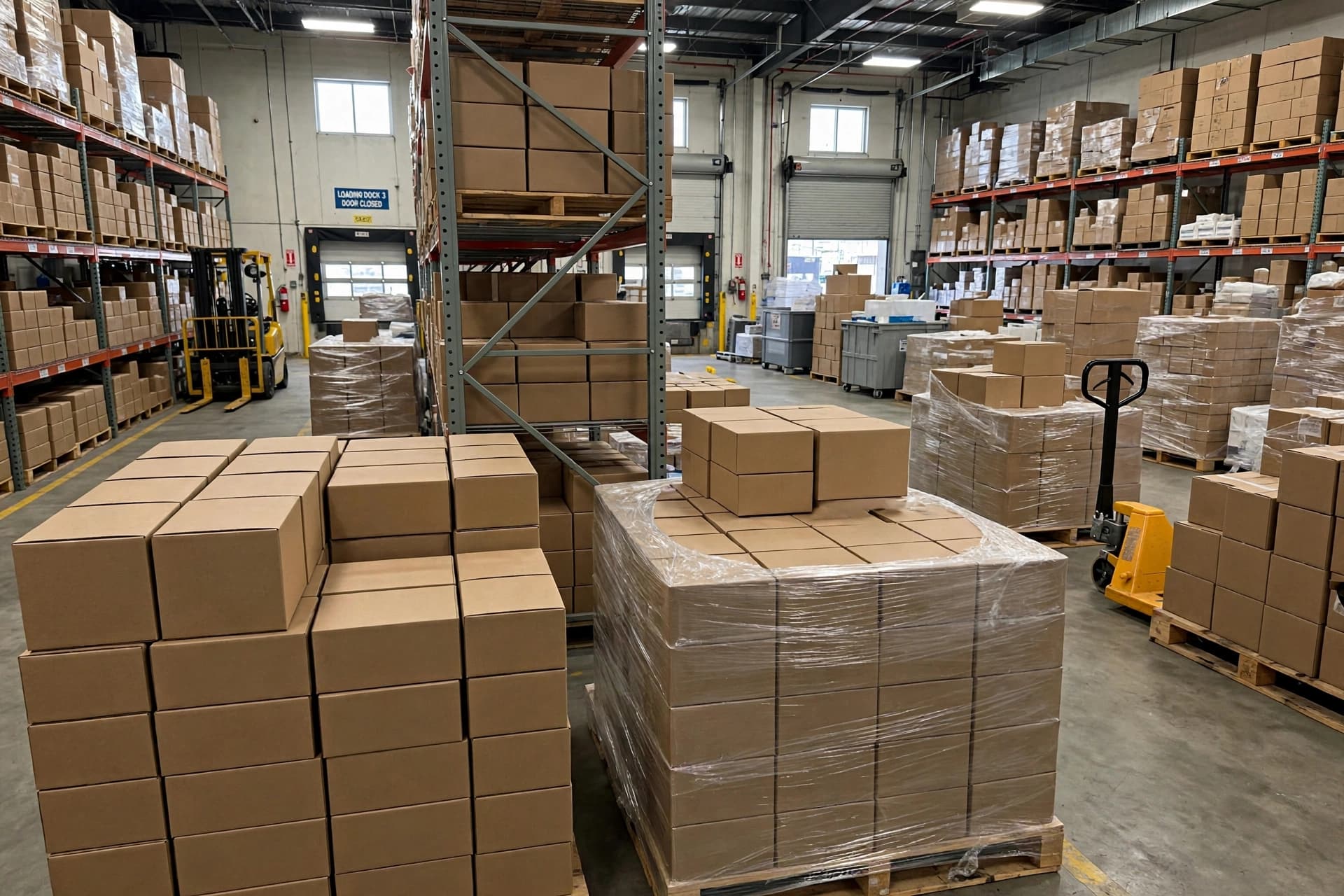
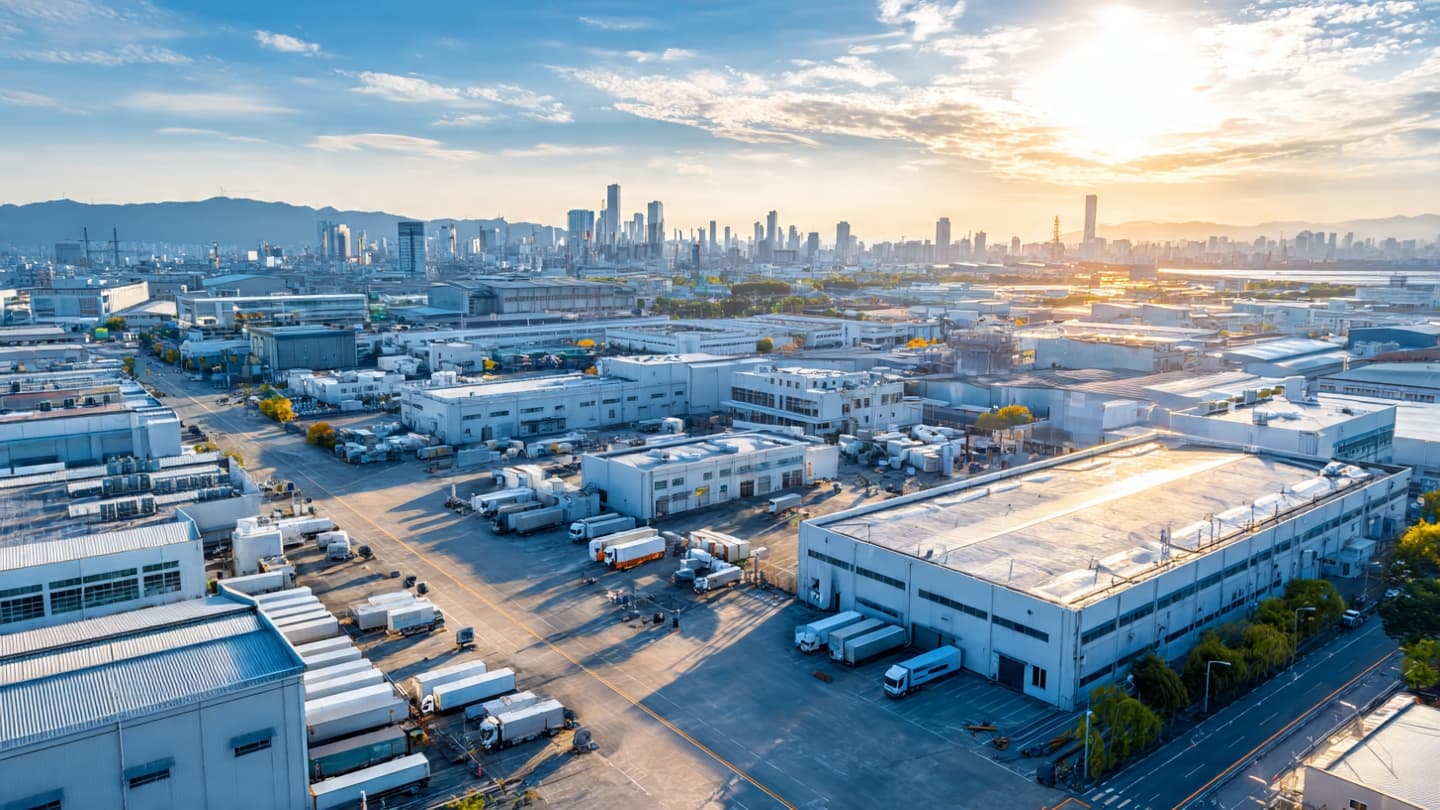
AI Image Disclaimer The visuals presented here are AI-generated interpretations created for illustrative purposes and do not show actual Japanese factories.
Sources Reuters S&P Global The Japan Times
Published by Banx Network. This article is part of the Banx decentralized media programme, powered by the BXE token on the XRP Ledger.