Across Indonesia's many islands, sunlight arrives almost every morning with remarkable consistency. Turning that daily resource into electricity, however, requires capital, equipment, infrastructure, and customers willing to adopt new energy systems. A recent $10 million investment in Indonesian solar developer Hijau is adding another piece to that expanding picture.
The funding is intended to support the company's distributed solar projects across Indonesia. Unlike large centralized power stations, distributed solar systems can be installed closer to where electricity is consumed, including commercial, industrial, and other facilities.
The model is particularly relevant for an archipelago where geography can make energy infrastructure complex. Indonesia stretches across thousands of islands, creating different electricity needs and infrastructure conditions from one region to another. Distributed generation offers one possible way to place additional capacity closer to consumers.
The investment also arrives as Indonesia continues to develop its renewable-energy sector. The country has substantial solar potential, although the growth of solar power depends on more than sunlight. Financing, grid connections, equipment availability, regulations, and project economics all influence how quickly capacity can expand.
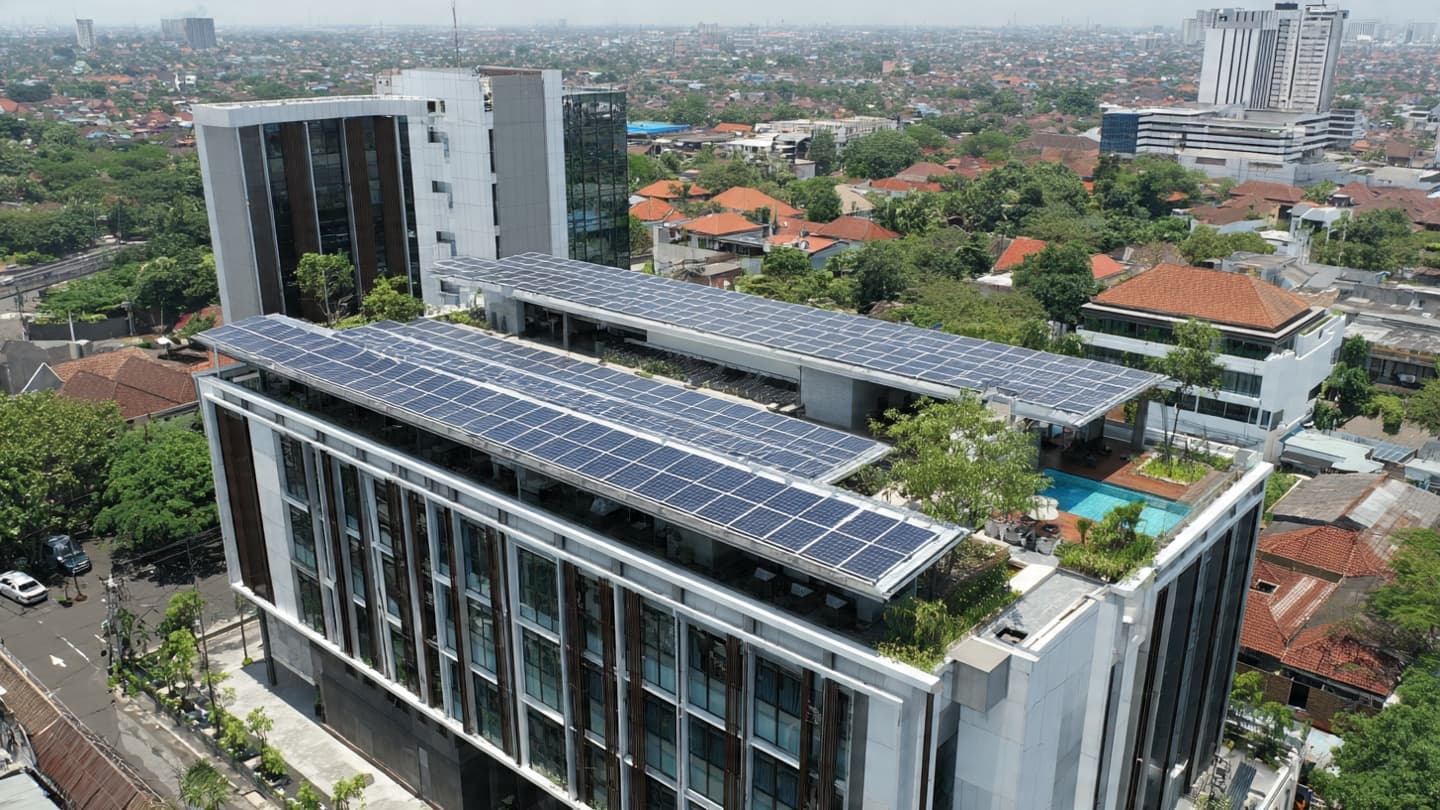
For businesses, rooftop and distributed solar can offer another approach to managing electricity needs. Commercial and industrial buildings often have large roof areas that can potentially host solar panels, allowing companies to generate part of their electricity close to the point of consumption.
The economics can also become more attractive as solar technology improves and financing becomes more accessible. A project does not necessarily need to replace an entire electricity supply to be useful; even partial generation can contribute to a company's energy mix and reduce reliance on conventional sources during suitable periods.
Hijau's new funding therefore represents more than an individual corporate transaction. It provides additional capital for projects within a market where renewable energy is becoming increasingly relevant to discussions about Indonesia's future electricity system.
The distributed model can also create opportunities for smaller-scale deployment. Instead of waiting for large power plants and transmission systems to be completed, solar projects can potentially be developed in individual locations according to local demand and available infrastructure.
Still, expanding distributed solar across Indonesia will require coordination. Equipment supply, installation capacity, maintenance networks, financing structures, and electricity regulations all need to develop alongside the technology itself.
For now, the $10 million investment gives Hijau additional resources to expand its solar portfolio. As Indonesia looks toward a more diverse energy system, the country's abundant sunlight offers a natural resource, while investments such as this provide part of the financial foundation needed to turn that resource into electricity.
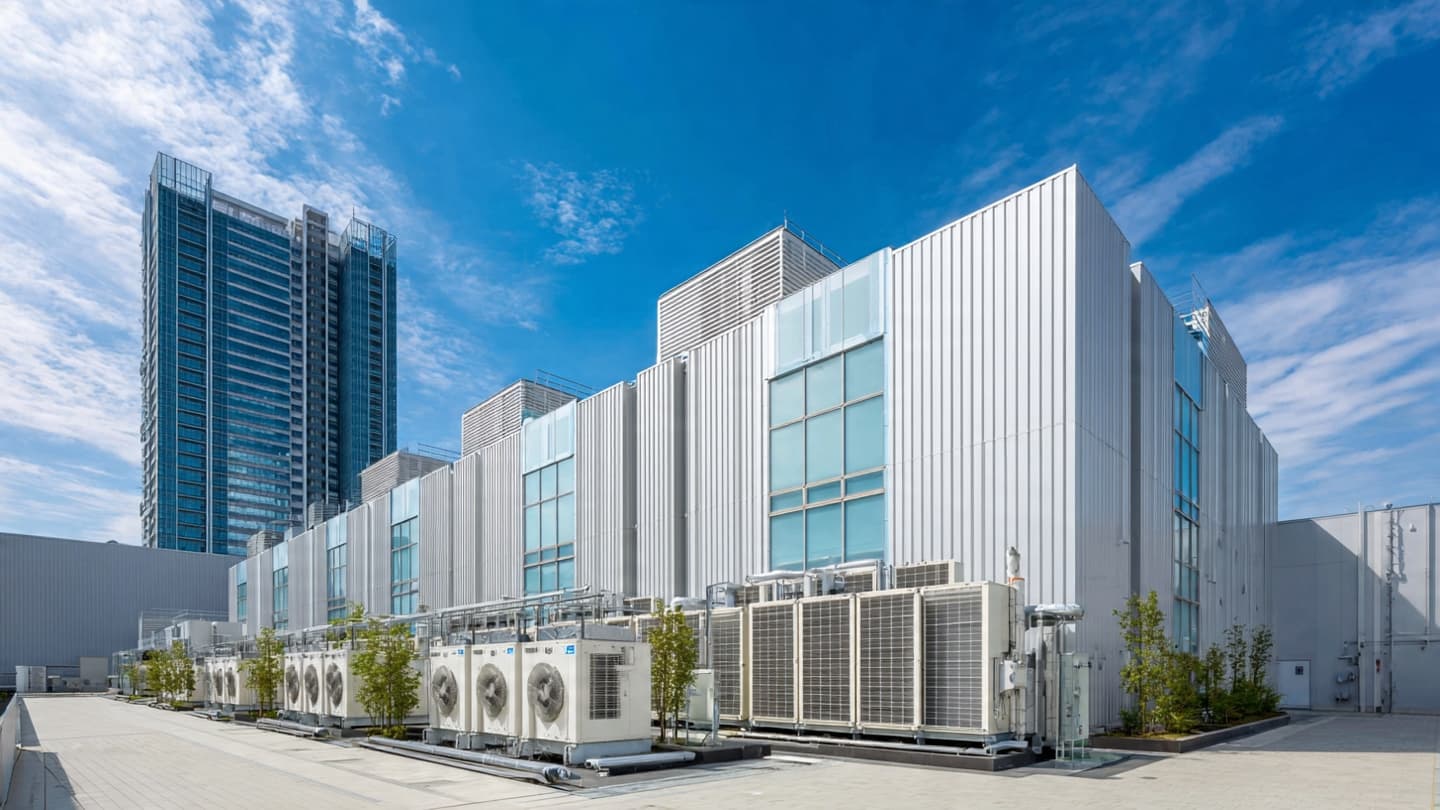
AI Image Disclaimer These visuals were generated by AI and are conceptual illustrations intended to represent the renewable-energy developments described in the article.
Sources SolarQuarter Hijau Reuters International Energy Agency Indonesia Ministry of Energy and Mineral Resources
Published by Banx Network. This article is part of the Banx decentralized media programme, powered by the BXE token on the XRP Ledger.