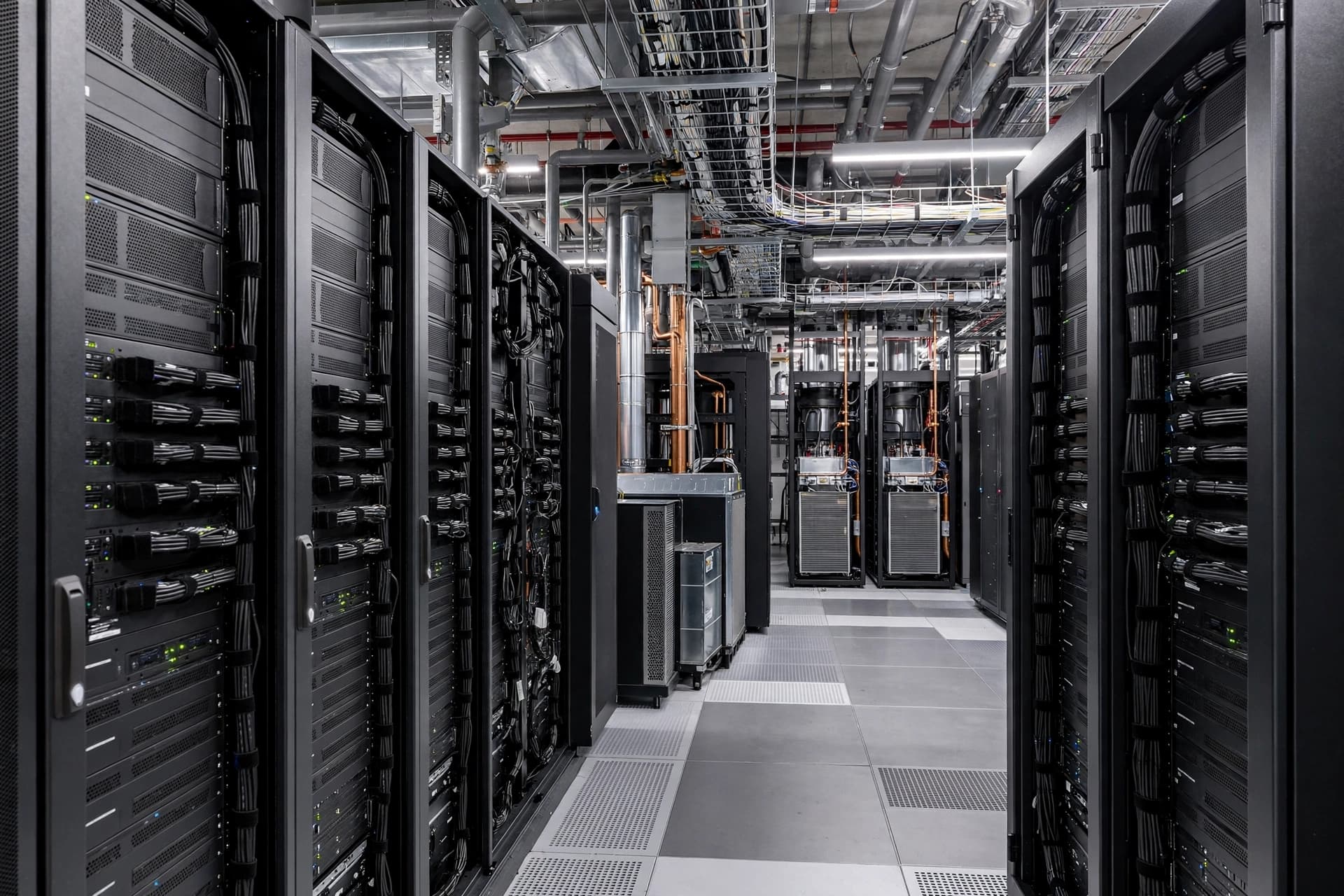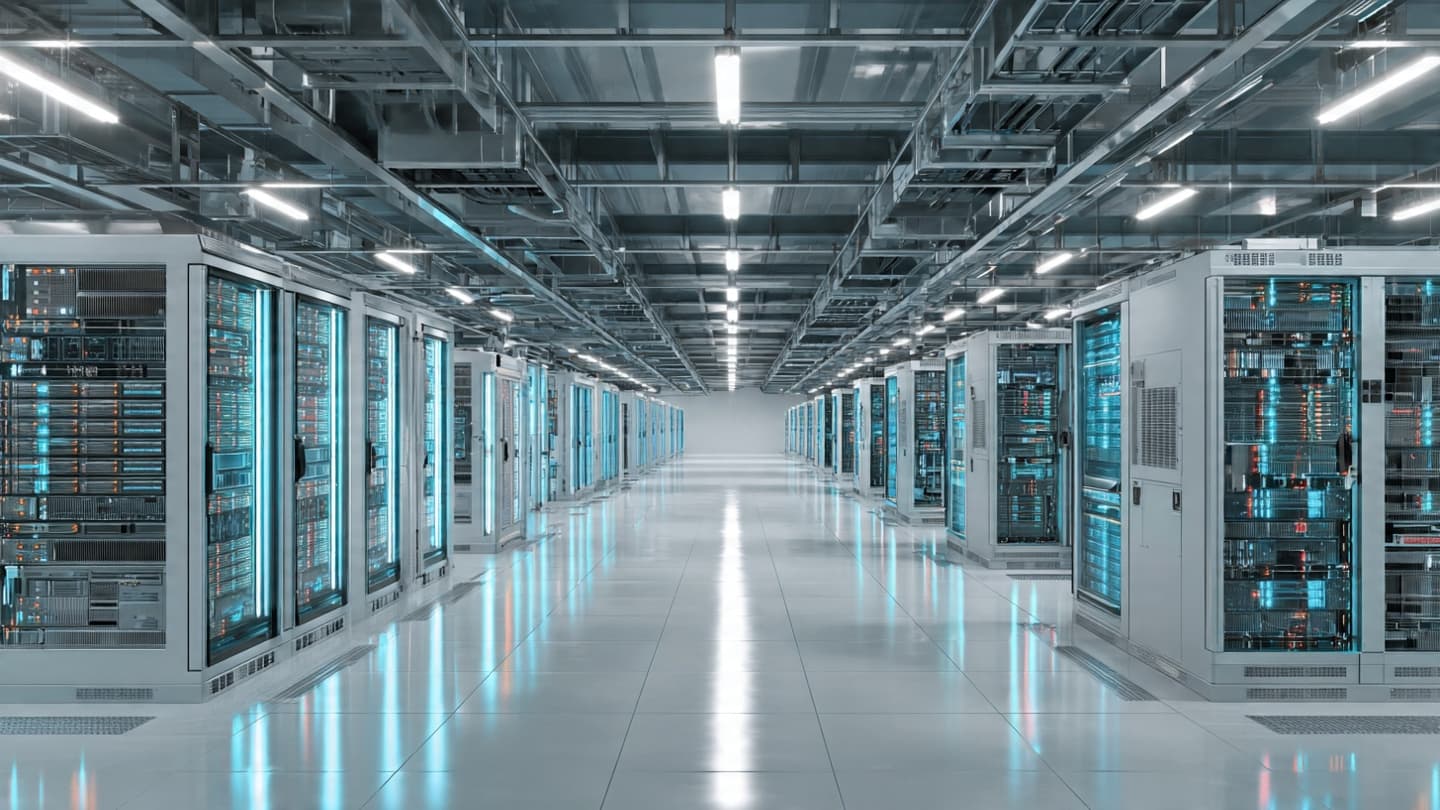
The digital world may appear weightless, but artificial intelligence depends on buildings filled with processors, cooling systems and enormous amounts of electricity. As demand for AI computing rises, those physical foundations are spreading into new regions. Indonesia has now become one of the latest destinations in that expansion.
AI cloud-computing company CoreWeave announced on August 4 that it was expanding into Indonesia and adding three facilities in the country. Reuters described the move as the company's first data-center presence in the Asia-Pacific region.
The expansion reflects the growing importance of infrastructure capable of supporting AI workloads. Training and running advanced AI models require powerful computing systems, while businesses increasingly need access to cloud platforms that can process large amounts of information.
Indonesia offers a substantial potential market. Its large population, expanding digital economy and growing technology sector have increased demand for cloud computing, data storage and digital services.
The location also gives infrastructure providers an opportunity to serve customers closer to where their data and applications are generated. Shorter geographic distances can help reduce latency, an important consideration for businesses operating applications that require rapid data processing.
CoreWeave's decision to establish multiple facilities suggests that the company sees longer-term demand rather than a single isolated opportunity. Data-center expansion generally involves significant investment in buildings, power systems, networking infrastructure and specialized computing equipment.
Artificial intelligence is changing the requirements of those facilities. Traditional data centers already require substantial electricity and cooling, but high-performance AI computing can place additional demands on power and thermal-management systems.
For Indonesia, this creates an intersection between digital growth and physical infrastructure. The country needs reliable electricity, telecommunications networks and data infrastructure to support increasingly sophisticated digital services.
The arrival of international AI infrastructure providers can also create opportunities for local technology companies. Businesses that previously depended on computing resources located farther away may gain access to services closer to their operations.
The development comes as Indonesia seeks to strengthen its position in the regional technology economy. Other global technology companies have also been increasing their investment in Indonesian digital infrastructure, reflecting the country's growing role in Southeast Asia's cloud and AI markets.
However, data-center development involves more than servers. Operators must consider electricity availability, land, connectivity, cooling requirements and environmental impact. The long-term success of an AI infrastructure project depends on how these elements work together.
The broader AI economy is therefore gradually becoming visible in Indonesia's physical landscape. Behind applications used on phones and computers are increasingly large facilities designed to process information at extraordinary speed.
CoreWeave's Indonesian expansion represents one part of that transformation. With three new facilities planned and the company entering the Asia-Pacific region for the first time through Indonesia, the development provides another indication that Southeast Asia is becoming an increasingly important destination for AI computing infrastructure.
Image Disclaimer
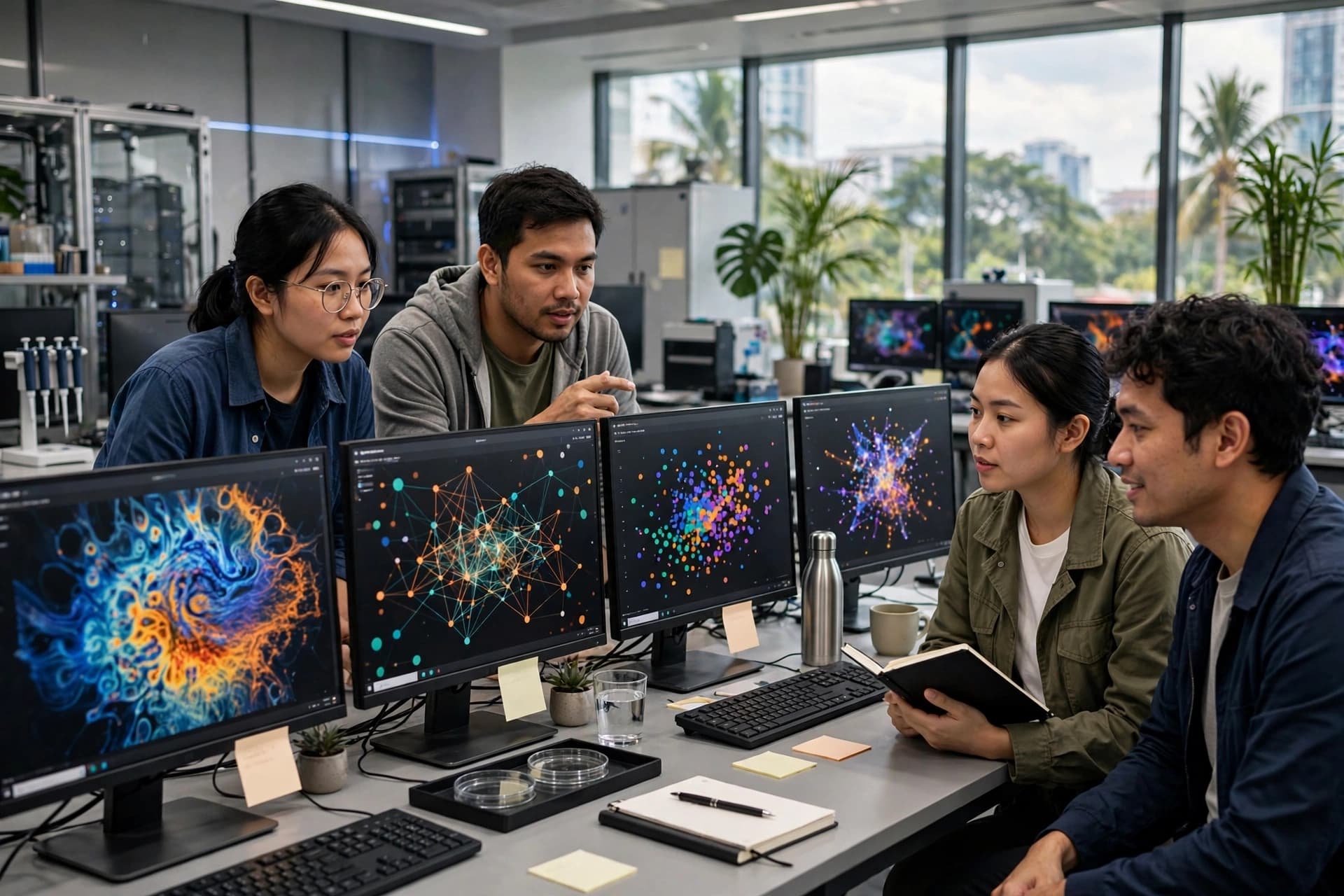
These illustrations were created using AI tools as conceptual representations of AI data-center infrastructure and do not depict actual CoreWeave facilities.
Sources
Reuters CoreWeave Ministry of Communication and Digital Affairs Indonesia Investment Authority Google Cloud
Published by Banx Network. This article is part of the Banx decentralized media programme, powered by the BXE token on the XRP Ledger.