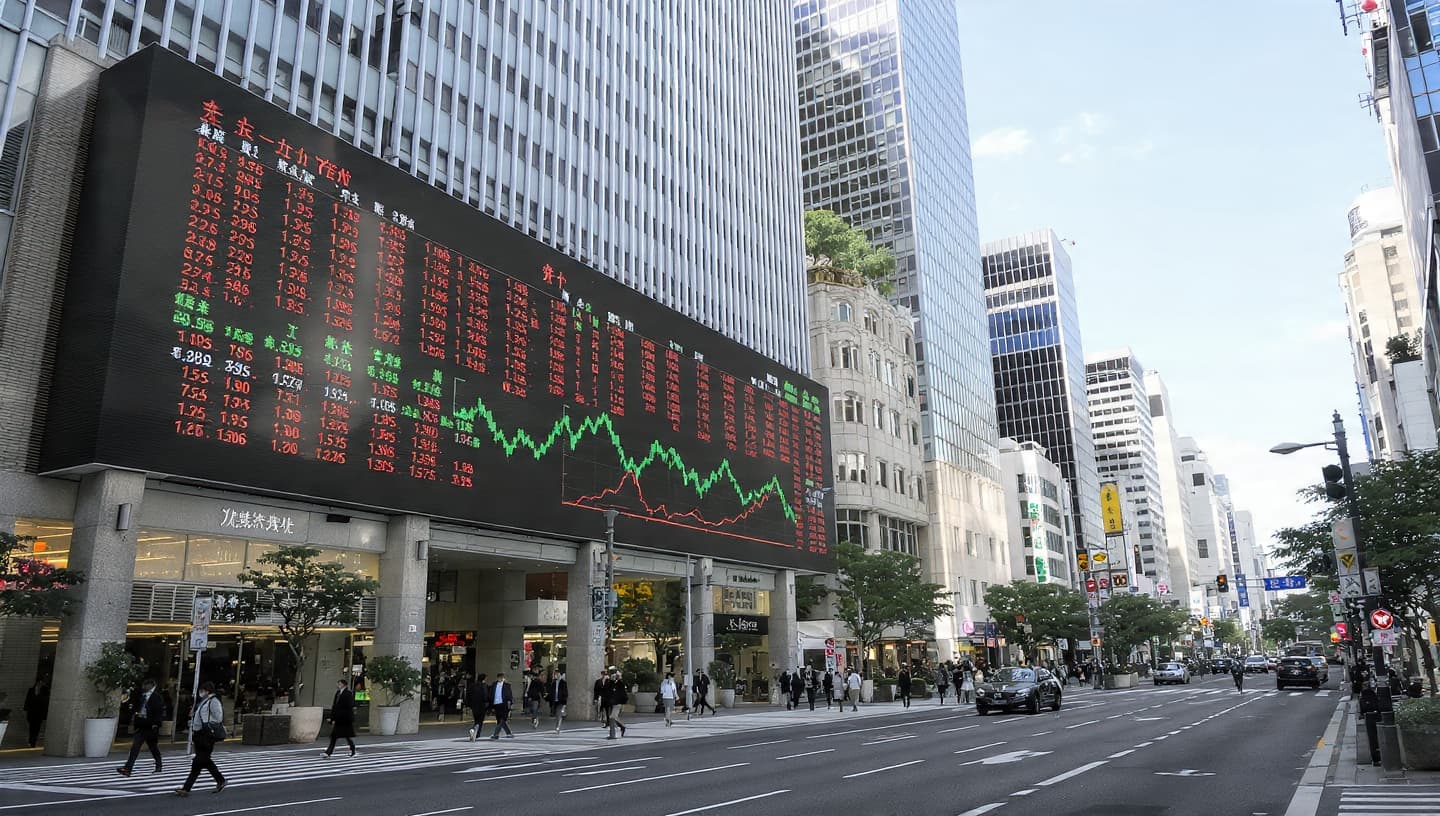
Bond markets often move quietly, yet their influence reaches almost every corner of the economy. A change in government bond yields can eventually affect mortgages, corporate borrowing, investment decisions and the cost of financing public spending. In early September, that movement became increasingly visible as global bond markets came under pressure.
Government bond yields climbed across several major economies as investors reassessed inflation risks, interest-rate expectations and rising levels of public debt. Reuters described the movement as a broad global selloff, with borrowing costs reaching multi-year highs in several markets.
Japan’s 10-year government bond yield reached 3%, its highest level since 1996, while yields in the United States, Britain, Germany and France also moved sharply higher. The changes reflected a wider reassessment of how long inflation may remain elevated and where central-bank interest rates could settle.
Singapore does not exist outside that global bond network. Its financial markets are closely connected to international capital flows, meaning movements in U.S. Treasury yields and other major government bonds can influence the way investors assess assets throughout Asia.
Higher global yields can also change the relative attractiveness of different investments. When government bonds offer greater returns, investors may demand higher yields elsewhere to compensate for additional risk. That can gradually influence corporate financing and investment decisions.
Inflation has remained one of the central concerns behind the market movement. Rising oil prices have added another layer of uncertainty, increasing the possibility that energy costs could remain elevated for longer and complicate the outlook for central banks.
For Singapore, the issue is particularly relevant because the economy depends heavily on international trade and financial activity. Changes in global borrowing conditions can travel quickly through companies that finance expansion, investors managing regional portfolios and households exposed to interest-rate-sensitive costs.
The bond market movement also reflects a larger question surrounding government debt. Investors have become increasingly attentive to the amount of borrowing required by governments around the world and whether economic growth will be sufficient to keep debt burdens manageable.
Market participants have responded cautiously. Reuters reported that global money-market funds attracted $46.1 billion during the week ending September 2, the largest weekly inflow since early August, suggesting that some investors were seeking greater liquidity amid heightened uncertainty.
For Singapore’s financial system, the global bond movement is therefore less about one dramatic market session than about changing assumptions. Borrowing costs, inflation expectations and international capital flows are all being recalibrated at the same time.
The adjustment may continue to unfold gradually. But as bond yields move higher across the world's largest markets, Singapore’s investors and businesses are watching closely, aware that the quiet numbers on government debt screens can eventually become part of everyday economic life.
AI Image Disclaimer: This article uses verified market reporting as its factual foundation. The proposed AI illustrations are conceptual visuals and may not reproduce exact market conditions or locations.
Sources: Reuters Monetary Authority of Singapore Global bond market data
Published by Banx Network. This article is part of the Banx decentralized media programme, powered by the BXE token on the XRP Ledger.