In the quiet spaces behind Japan's economic activity, machines are replaced, facilities expand and offices receive new equipment long before those changes become visible in everyday life. During the second quarter, Japanese companies continued that process at a stronger pace, offering another indication that investment remained active beneath the surface of the economy.
Japanese corporate capital spending rose sharply in the second quarter, adding support to the country's economic outlook. The increase reflected continued investment by businesses in equipment, facilities and other forms of productive capacity.
The development is significant because corporate investment can provide a longer-term measure of business confidence. While consumer spending can change quickly in response to prices and household conditions, investment decisions often involve commitments that extend well beyond a single month or quarter.
For Japanese companies, those decisions come at a time of changing economic conditions. Domestic demand has shown mixed signals, with services activity strengthening in August while household spending weakened sharply in July. The combination suggests that businesses are responding to different forms of demand across the economy.
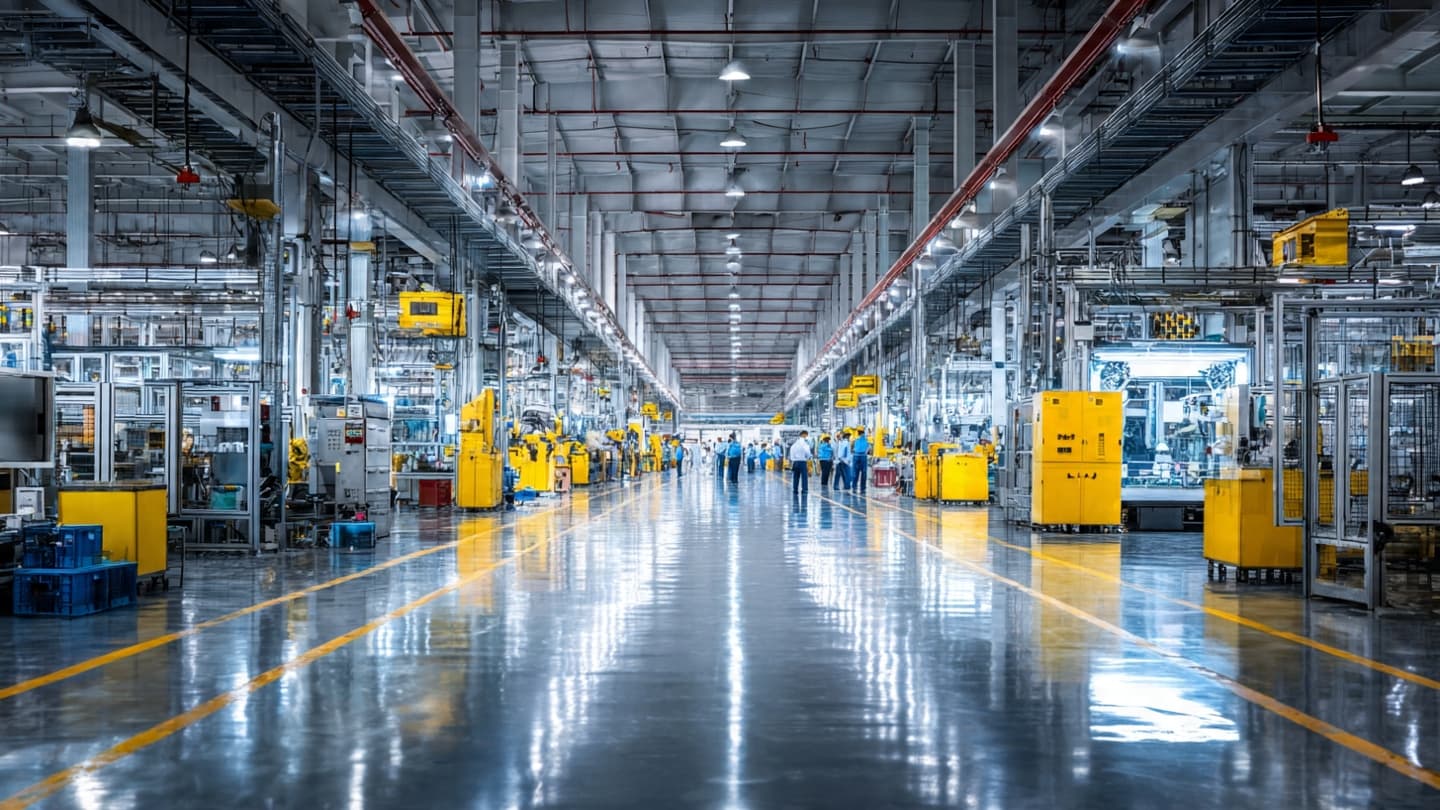
Investment can also be connected to the changing structure of Japanese business. Companies continue to require updated machinery, digital systems, production equipment and facilities to remain competitive. Spending in these areas can gradually influence productivity and capacity, even if the effects are not immediately visible in consumer markets.
The strength of capital spending also provides a counterpoint to concerns about household consumption. While families have been more cautious with certain purchases, companies have continued allocating money toward future operations. That difference can create a more complex picture of the economy than any single indicator can provide.
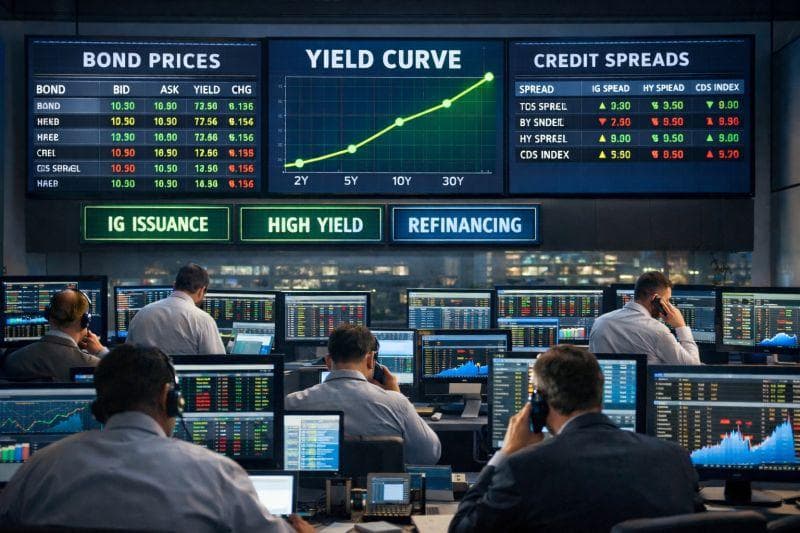
Financial markets are watching the data alongside changes in Japanese interest-rate expectations. Government bond yields have risen significantly, with Japan's 10-year yield reaching 3% in early September, its highest level since 1996. Higher borrowing costs can eventually influence investment decisions, making the pace of corporate spending an important indicator to follow.
The investment figures also arrive as Japanese companies navigate higher input costs and changing global demand. Businesses must balance the need to expand or modernize with the possibility that financing and operating costs could remain elevated for longer.
For now, stronger capital spending provides one of the more constructive signals within Japan's uneven economic landscape. Factories, offices and commercial facilities continue to receive investment, suggesting that many companies are still preparing for future activity even as households move more carefully through the present.
AI Image Disclaimer: All accompanying illustrations were generated with AI and are intended as conceptual visualizations rather than real photographs.
Sources: Reuters
Published by Banx Network. This article is part of the Banx decentralized media programme, powered by the BXE token on the XRP Ledger.