Financial markets rarely move in complete silence. Even during quiet sessions, screens across trading floors continue to change, currencies shift against one another, and investors watch economic indicators arrive from different corners of the world. In early August, caution became a recurring mood as markets waited for fresh signals from the United States.
Investors were closely watching U.S. employment data, which could provide additional information about the direction of the world's largest economy. Employment figures are particularly important because they influence expectations surrounding consumer spending, business activity, and monetary policy.
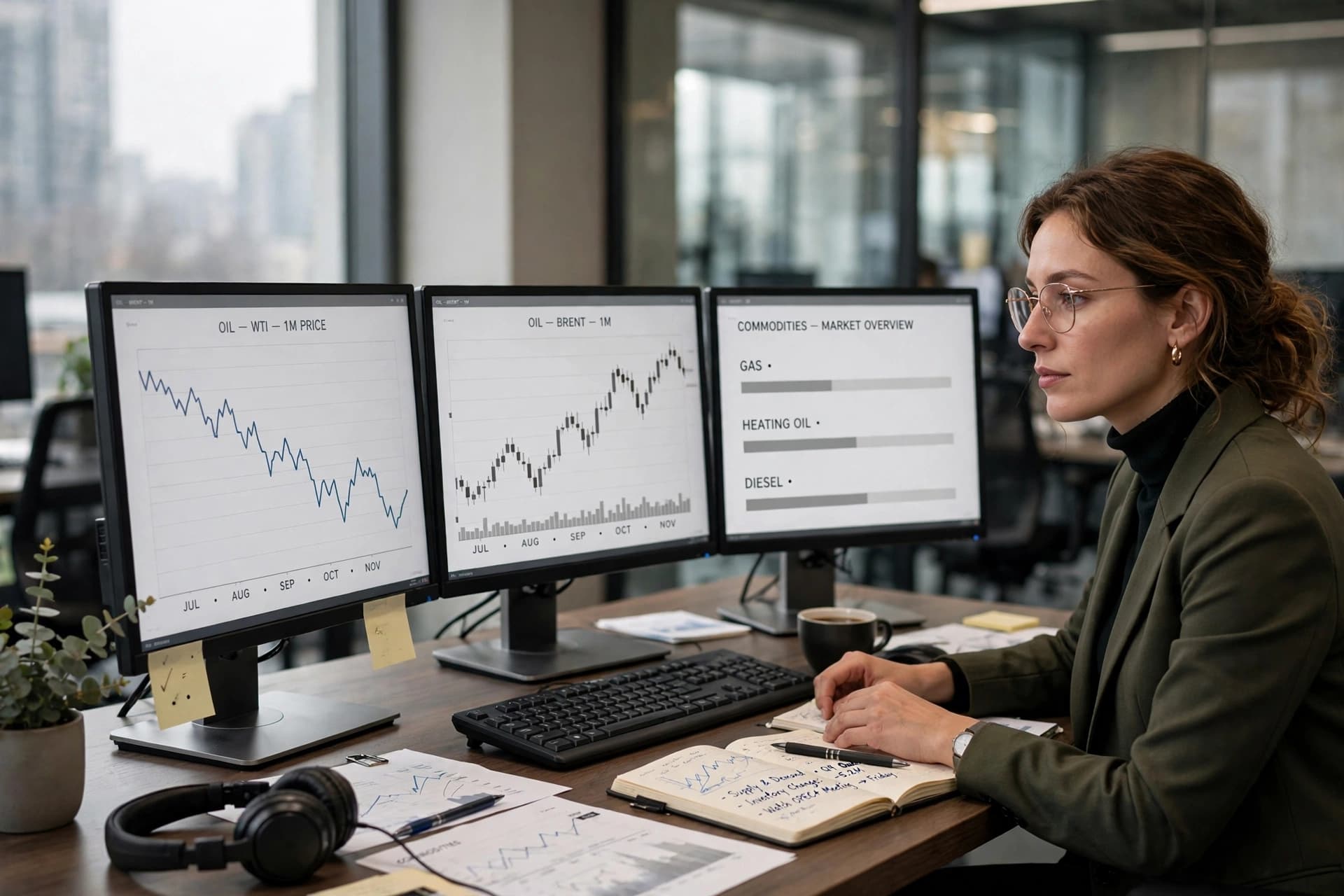
Oil prices also remained part of the wider market picture. Energy costs can influence transportation, manufacturing, household expenses, and inflation expectations, giving movements in crude prices an effect that reaches far beyond the energy industry itself.
The combination of employment data and energy prices created a landscape in which investors had to balance several competing signals. Stronger economic activity can support corporate earnings, while weaker activity can raise concerns about future demand.
Markets also continued to respond to changing expectations around interest rates. When investors believe economic conditions are cooling, expectations for lower borrowing costs can strengthen. At the same time, persistent inflation pressures can make the outlook less straightforward.
The global nature of financial markets means that developments in the United States can quickly travel across continents. European shares, Asian markets, currencies, bonds, and commodities can all respond to changes in expectations surrounding the American economy.
For companies, these movements can affect financing conditions and investment decisions. A change in bond yields or currency values can alter the cost of capital, while shifts in commodity prices can influence production and transportation expenses.
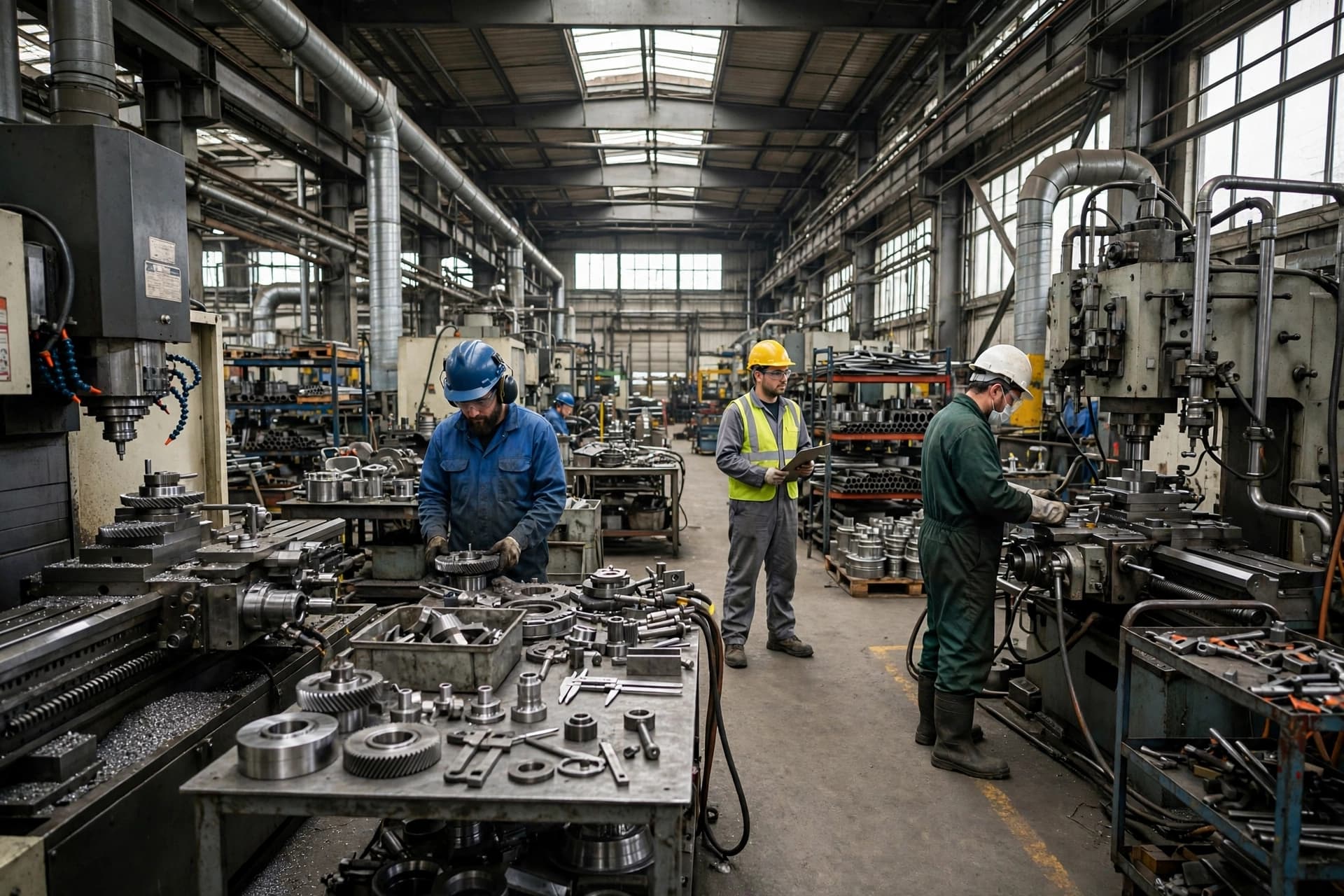
The broader economic picture remains mixed. Recent U.S. data showed weaker employment in July, while productivity increased faster than expected in the second quarter and manufacturing activity strengthened. Those different signals make it difficult to reduce the global outlook to a single direction.
As markets move through August, investors continue to watch the data arriving one piece at a time. The movement may appear distant from everyday life, but behind every market figure are businesses, workers, consumers, and financial decisions connected through an increasingly interdependent global economy.
AI Image Disclaimer: These visuals were generated with artificial intelligence for conceptual illustration and are not photographs of actual market scenes.
Sources Reuters Bloomberg Financial Times
Published by Banx Network. This article is part of the Banx decentralized media programme, powered by the BXE token on the XRP Ledger.