There is a certain stillness that settles over long console generations, a quiet that does not arrive suddenly, but gradually — like dust in unused rooms or light fading in a closed theater. It is not absence, exactly, but a slowing of motion, a sense that something once restless has begun to pause. The PlayStation 5 era, for many, has come to feel like this: powerful, polished, luminous — and strangely hushed.
At its launch, the PS5 carried the energy of momentum. The hardware promised speed and scale, the kind that bends loading times and reshapes expectations. There was talk of new worlds, new forms, new rhythms of play. Yet as the years unfolded, the generation’s emotional texture began to shift. The silence between major releases stretched longer. Familiar studios fell quiet. Anticipation became patience, and patience became waiting.
Sony’s strategy gradually moved toward large-scale live-service ambitions, reshaping development priorities across its internal studios. Projects were redirected, canceled, or delayed. Teams built for narrative-driven experiences found themselves repositioned. The old rhythm — single-player releases arriving like seasonal markers — began to feel irregular, uncertain, and less predictable.
Across the industry, layoffs and restructuring became common, but within the PlayStation ecosystem, the impact carried a particular weight. Studios that once represented stability became symbols of transition. Not collapse, not disappearance — but uncertainty. Creative continuity gave way to corporate recalibration, and long timelines replaced the cadence of steady output.
What emerged was not failure in spectacle, but erosion in identity. The PS5 did not lack technology, performance, or prestige. What it began to lack was emotional rhythm — the feeling of a living generation unfolding in real time. The sense of discovery softened into maintenance. Momentum turned into management.
Players felt this not in one dramatic rupture, but in small accumulations: fewer flagship releases, longer gaps between announcements, ambitious visions that never materialized into shipped experiences. The generation became defined not by what arrived, but by what lingered in development cycles and internal strategy documents.
Yet the stillness is not emptiness. There are successful titles, strong sales, and global reach. The PS5 remains a dominant platform. But dominance is not the same as direction. Power is not the same as presence. A console can lead the market and still feel adrift in spirit.
In this way, the PS5 generation feels less like a failure and more like a pause — a long inhale without a clear exhale. A generation caught between identities: between cinematic legacy and service-based futures, between narrative tradition and platform economics, between artistry and infrastructure.
The quiet is not collapse. It is suspension.
According to reporting by major gaming and business outlets, Sony’s PS5 era has been shaped by shifting development strategies, studio restructuring, canceled projects, and a pivot toward live-service ambitions. These changes have redefined the rhythm of PlayStation’s output, marking the generation with long development cycles, fewer flagship releases, and a transitional period for the company’s creative direction.
AI Image Disclaimer
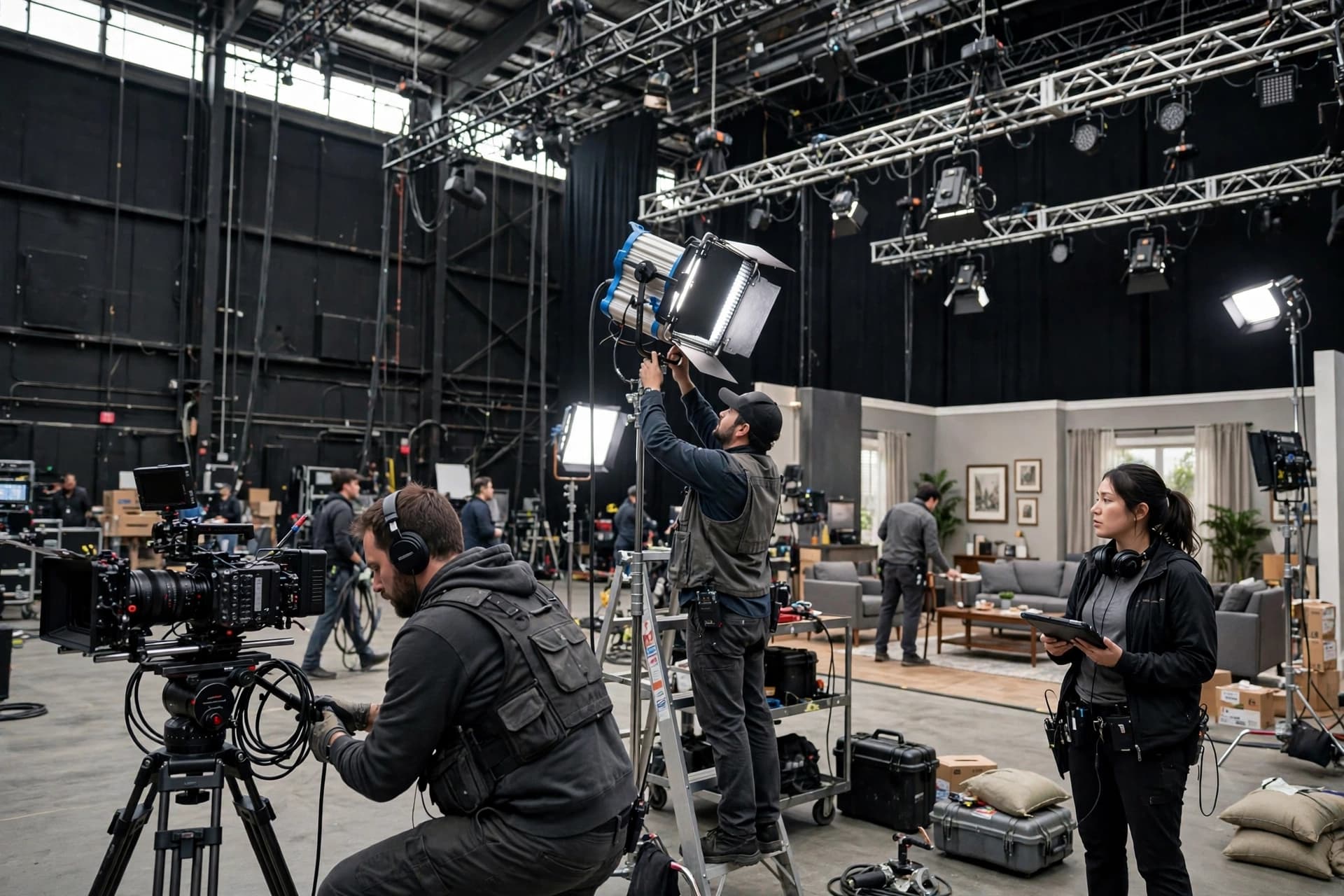
Illustrations were created using AI tools and are not real photographs.
Sources (Media Names Only)
Bloomberg IGN The Verge GamesIndustry.biz Reuters
Published by Banx Network. This article is part of the Banx decentralized media programme, powered by the BXE token on the XRP Ledger.