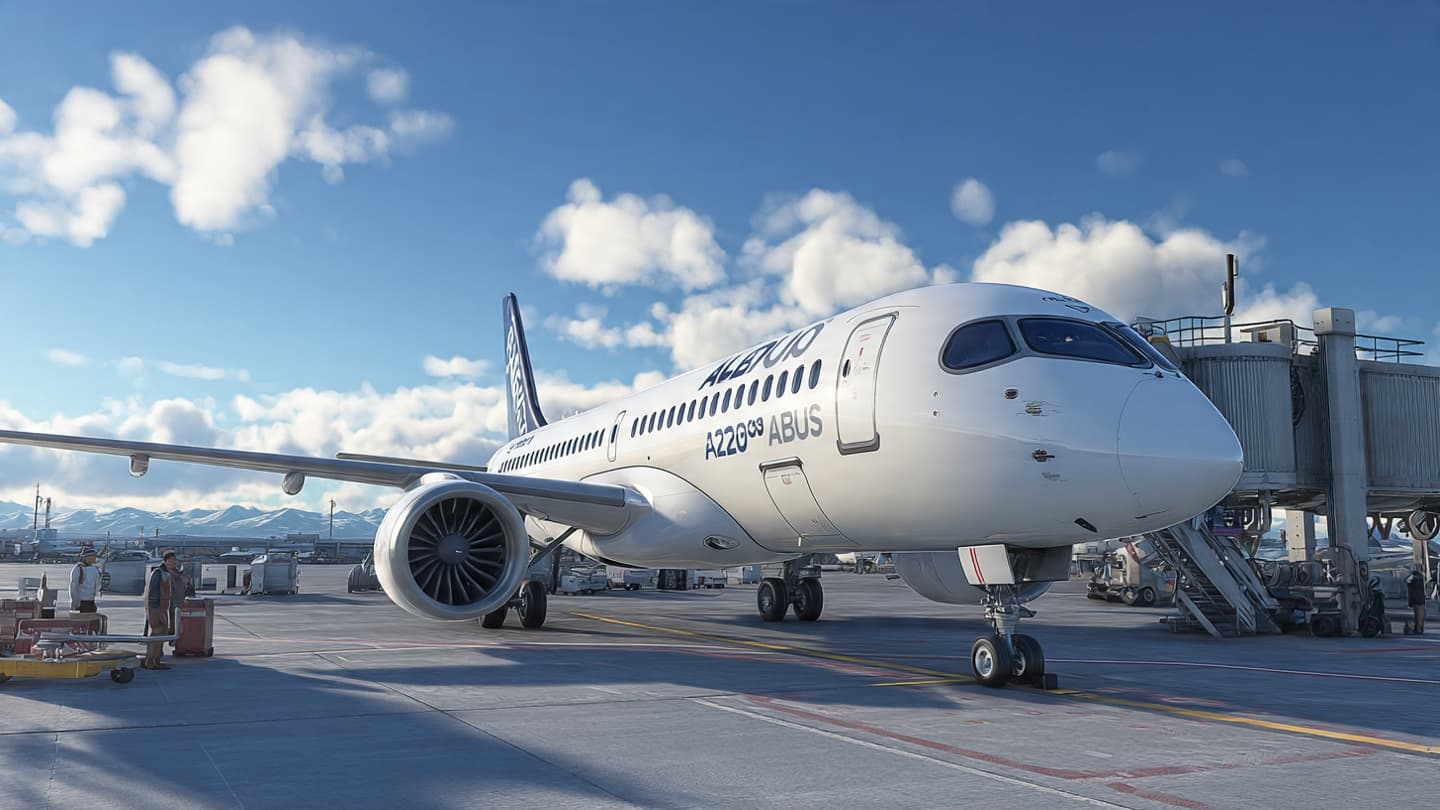
Across the quiet rhythm of airport runways, where aircraft rise and disappear into distant skies, the aviation industry continues searching for balance between movement, efficiency, and a changing global environment. In France, this journey is reflected through Air France’s gradual modernization of its fleet, where newer aircraft represent both technological progress and a changing vision of travel.
The Airbus A220 has become an important part of this transformation. Designed for short and medium-distance routes, the aircraft combines a lighter structure, improved fuel efficiency, and updated passenger features. For Air France, the introduction of this aircraft represents a broader effort to reshape domestic and European connections.
The arrival of newer aircraft comes during a period when airlines worldwide are examining how to manage costs while responding to evolving expectations from passengers and businesses. Fuel consumption, maintenance efficiency, and operational flexibility have become central considerations as carriers plan their future networks.
The Airbus A220 was developed with advanced materials and modern engines designed to reduce fuel usage compared with older aircraft models. Its smaller size also allows airlines to operate more efficiently on routes where larger aircraft may not be practical.
For France’s aviation sector, modernization carries significance beyond individual aircraft. Airports, manufacturers, suppliers, and service companies are all connected through a network that supports thousands of jobs and contributes to the country’s industrial landscape.
The aircraft expansion also reflects a broader European movement toward more efficient transportation systems. Airlines are balancing the need for continued connectivity with efforts to improve environmental performance and respond to changing market conditions.
Passengers often experience these changes quietly, through improved cabin designs, reduced noise levels, and smoother travel experiences. Behind these visible details, however, lies a complex process involving engineering, investment, and long-term planning.
Air France’s fleet strategy has focused on introducing aircraft that can provide operational advantages while maintaining connections across regional markets. The Airbus A220 has become one element of this approach as the airline adjusts to the evolving demands of modern aviation.
The aviation industry remains influenced by economic conditions, technological development, and shifting travel patterns. Aircraft decisions made today can shape the movement of people and commerce for years to come.
Air France continues operating and expanding its modern aircraft fleet as part of its broader strategy to improve efficiency and strengthen its position within the competitive European aviation market.
AI Image Disclaimer Visuals are AI-generated and serve as conceptual representations of the described aviation scenes.
Sources Reuters Air France Airbus Aviation Week
Published by Banx Network. This article is part of the Banx decentralized media programme, powered by the BXE token on the XRP Ledger.