
Key Highlights
- Air France introduces the Airbus A220 to modernize its fleet.
- The A220 offers improved fuel efficiency and passenger comfort.
- This aircraft represents a shift towards quieter, more sustainable aviation.
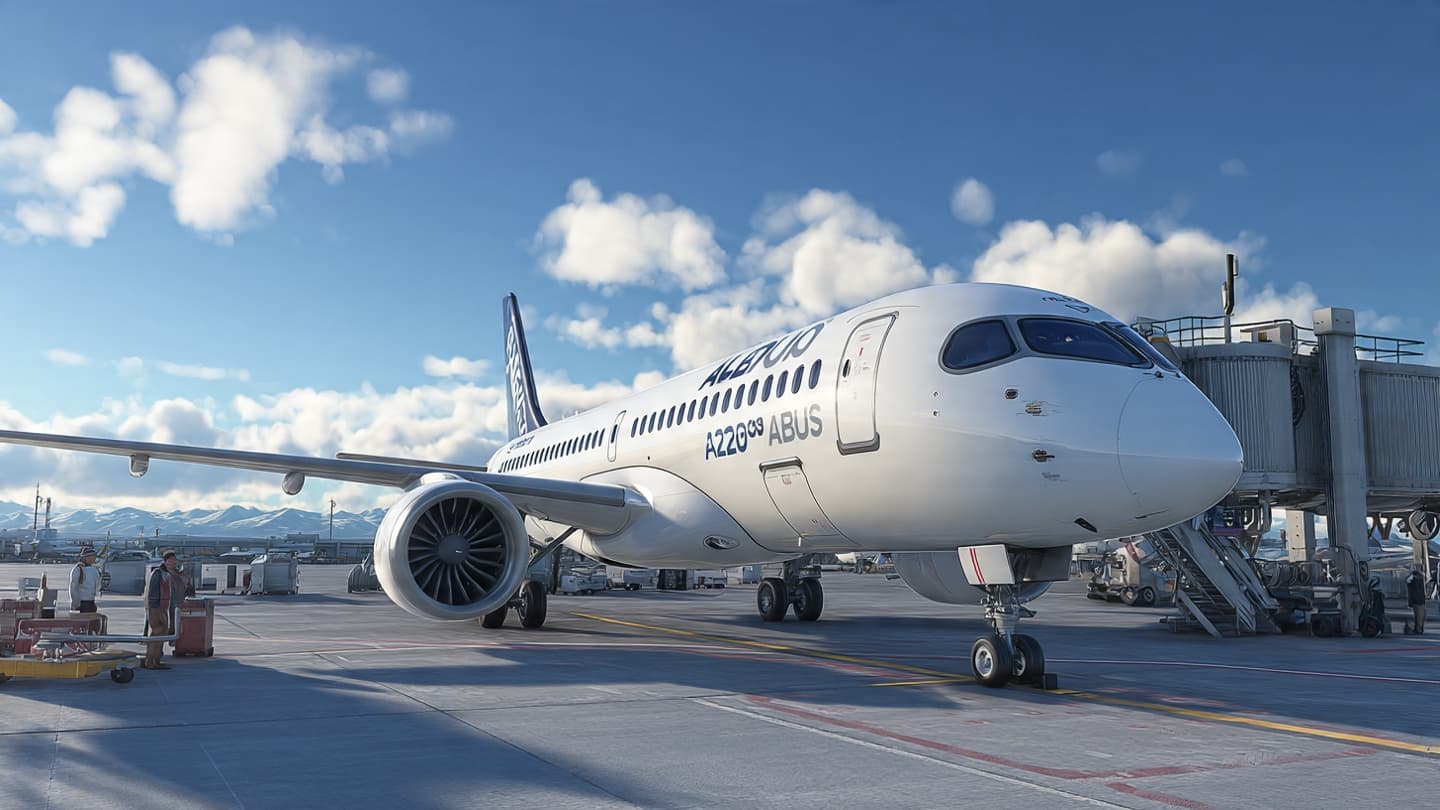
Air France is embarking on a significant transformation of its fleet with the introduction of the Airbus A220, a modern aircraft designed to enhance efficiency and passenger experience. This move is part of a broader strategy to modernize the airline's operations and adapt to the evolving demands of air travel in Europe. The A220, which is tailored for short to medium-haul routes, combines advanced technology with a focus on sustainability, making it a key player in the future of aviation.
The Airbus A220 is engineered with a lighter structure and state-of-the-art engines that significantly reduce fuel consumption compared to older aircraft models. This efficiency is crucial as airlines worldwide grapple with rising operational costs and increasing pressure to meet environmental standards. The A220's smaller size allows Air France to operate on routes that may not be viable for larger aircraft, thereby optimizing their network and enhancing connectivity across domestic and European markets.
As the aviation industry faces challenges such as fluctuating fuel prices and changing passenger expectations, the introduction of the A220 reflects a strategic response to these dynamics. Airlines are not only focused on profitability but also on improving the overall travel experience. The A220's design includes features that enhance passenger comfort, such as quieter cabins and improved seating arrangements, which are increasingly important to travelers today.
Moreover, the modernization of Air France's fleet with the A220 is indicative of a larger trend within the European aviation sector. Airlines across the continent are investing in newer, more efficient aircraft to reduce their carbon footprint and comply with stricter environmental regulations. This shift is not just about individual airlines; it encompasses a network of airports, manufacturers, and service providers that collectively contribute to the industry's evolution.
Passengers may notice the benefits of this modernization through quieter flights and enhanced service quality. However, the transition to newer aircraft involves significant investment and long-term planning. Air France's commitment to integrating the A220 into its fleet is a testament to its dedication to maintaining a competitive edge in the European market while prioritizing sustainability.
In conclusion, the introduction of the Airbus A220 by Air France marks a pivotal moment in the airline's strategy to modernize its fleet and improve operational efficiency. As the aviation industry continues to evolve, the A220 stands as a symbol of progress towards a quieter and more sustainable future in air travel. Air France's ongoing efforts to expand its modern aircraft fleet will play a crucial role in shaping the future of aviation in Europe.
Published by Banx Network. This article is part of the Banx decentralized media programme, powered by the BXE token on the XRP Ledger.



