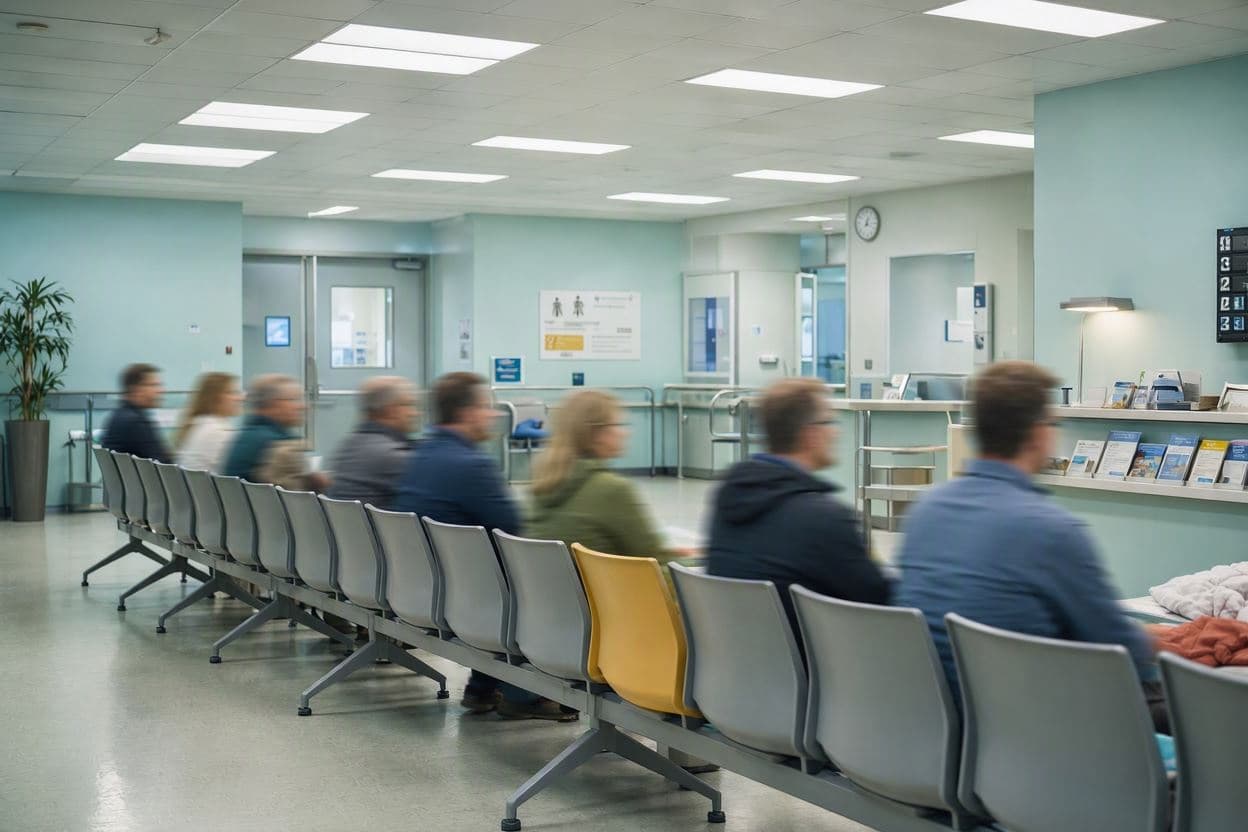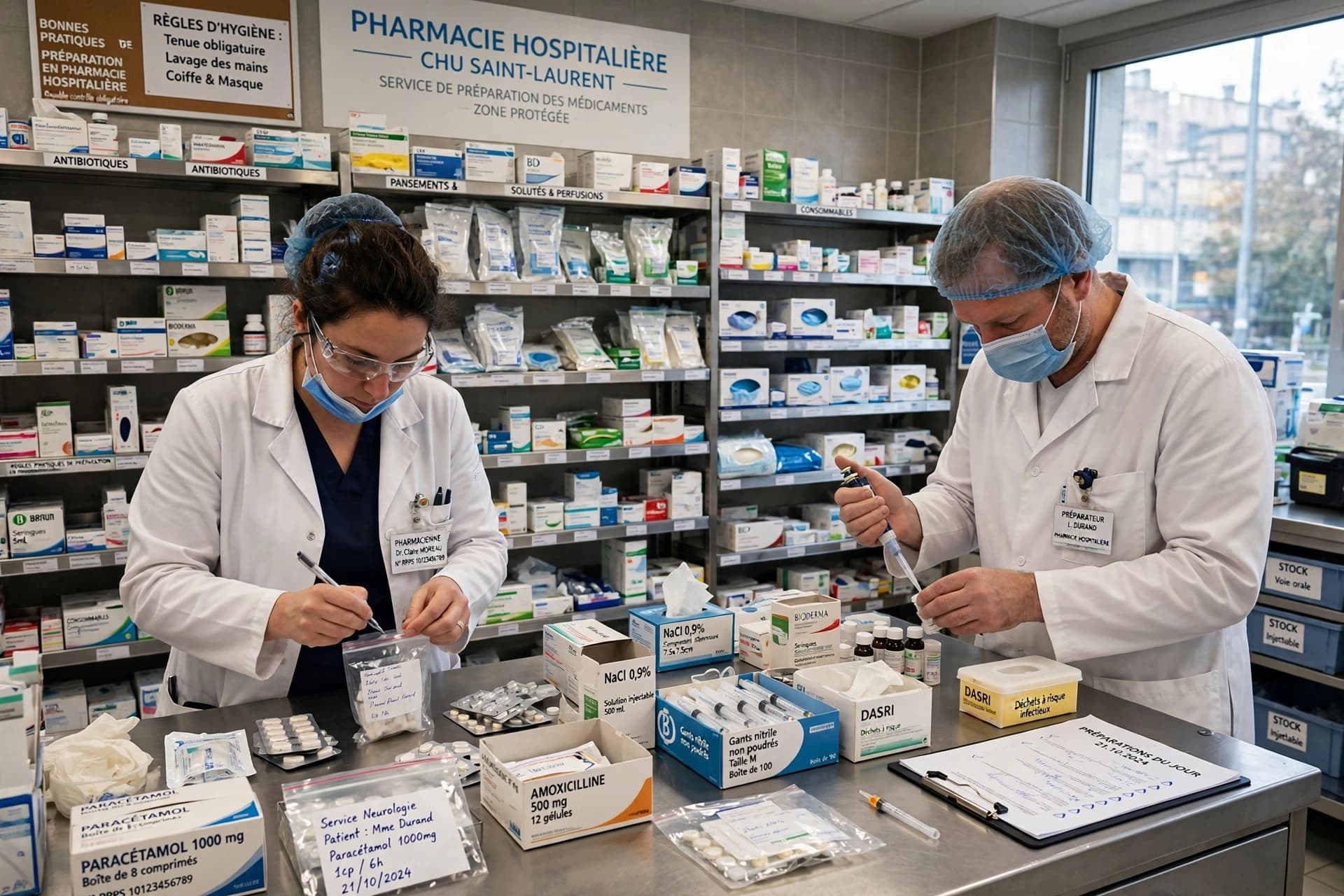
France's healthcare system is entering a period in which demographics may matter as much as medical innovation. As people live longer, the number and complexity of healthcare needs can change, creating new pressure on hospitals, doctors, medicines, and research.
The country's pharmaceutical industry has been calling for greater investment to respond to those changes. Industry representatives argue that maintaining research capabilities and domestic production will become increasingly important as demand for healthcare grows.
The issue reaches beyond the pharmaceutical companies themselves. Medicines depend on a long chain involving scientific research, clinical trials, manufacturing facilities, specialized workers, logistics, and distribution networks.
An aging population can increase demand for treatments for chronic and age-related conditions. At the same time, advances in medicine allow many people to live longer with conditions that previously had fewer treatment options.
This creates a complicated balance. Healthcare systems need access to effective medicines while also managing the financial cost of increasingly sophisticated treatments.
France has traditionally maintained an important pharmaceutical and scientific research base. Companies including Sanofi operate major research and production facilities in the country, while universities and public institutions contribute to biomedical research.
Industry leaders have warned that France needs to remain attractive for pharmaceutical investment. Research and development can move across borders when companies compare costs, scientific expertise, regulatory conditions, infrastructure, and access to skilled workers.
Production is another part of the equation. Recent disruptions in global supply chains have highlighted how dependent countries can become on manufacturing networks located far from their own borders.
For France, maintaining domestic capabilities can therefore have two dimensions: supporting innovation and strengthening resilience in the supply of essential medicines.
Yet investment does not produce immediate results. New medicines can take years to progress from laboratory research through clinical testing and regulatory approval. Manufacturing projects likewise require long-term planning and substantial capital.
The discussion comes as France considers how its healthcare system should respond to a population whose needs are gradually changing. Behind the debate over budgets and industrial strategy is a simple reality: longer lives can bring more years of medical need, making research and reliable access to treatment increasingly important parts of the country's healthcare landscape.
AI Image Disclaimer The accompanying illustrations were generated with AI as conceptual representations and are not authentic photographs of pharmaceutical facilities or researchers.
Published by Banx Network. This article is part of the Banx decentralized media programme, powered by the BXE token on the XRP Ledger.