There are games that feel less like contests and more like crossings — long walks through uncertain weather, where each step leaves a meaning behind it. In such worlds, terrain is not only landscape but memory, and every carried object feels like a promise in motion. Years after the first lonely routes were mapped, the shoreline comes back into view, and with it, the suggestion of another departure.
That return now takes clearer shape with new details surrounding Death Stranding 2, the follow-up to the unusual traversal epic created under the direction of Hideo Kojima and his studio, Kojima Productions. Recent announcements have outlined additional gameplay modes and expanded features, offering a broader sense of how this next chapter will differ in rhythm and range from the first journey. The release window has been set for next month on PlayStation 5, placing the experience firmly in the current generation of hardware.
Where the original game centered on solitude, logistics, and asynchronous connection, the sequel appears to widen its mechanical vocabulary. Previews and official showcases describe new mission structures, more dynamic environmental conditions, and additional combat and traversal options layered onto the familiar delivery-and-network core. Systems governing movement, equipment choice, and encounter design have been presented as more flexible, allowing players to approach routes and risks with greater variation.
New modes are also part of the evolving structure. Demonstrations point to optional play configurations that adjust challenge, pacing, or scenario rules, letting players tune how demanding or experimental a given run may be. Some modes are described as emphasizing strategy and planning, while others lean into higher-pressure action sequences, suggesting a design that accommodates both meditative travel and sharper confrontation. The intention, as described by the developers, is not to replace the contemplative backbone of the series but to give it additional branches.
Technically, the sequel builds on updated engine work tailored to the capabilities of the current console cycle. Showcases highlight denser terrain detail, more reactive weather and lighting systems, and expanded character animation fidelity. Performance targets and visual enhancements are positioned as central pillars of the PlayStation 5 version, with fast storage and controller features integrated into traversal and feedback systems.
Narrative elements remain closely guarded, but official materials confirm the return of key characters alongside new figures, continuing the series’ blend of intimate performance and high-concept worldbuilding. As before, the story appears to orbit themes of connection, separation, and the fragile threads between isolated communities — ideas carried forward rather than replaced.
In straightforward terms, the publisher and developer have announced additional gameplay modes and expanded feature sets for Death Stranding 2, alongside confirmation of a PlayStation 5 release scheduled for next month. Coverage from major gaming outlets reports broader mechanical variety, new optional modes, and technical upgrades compared with the original title.
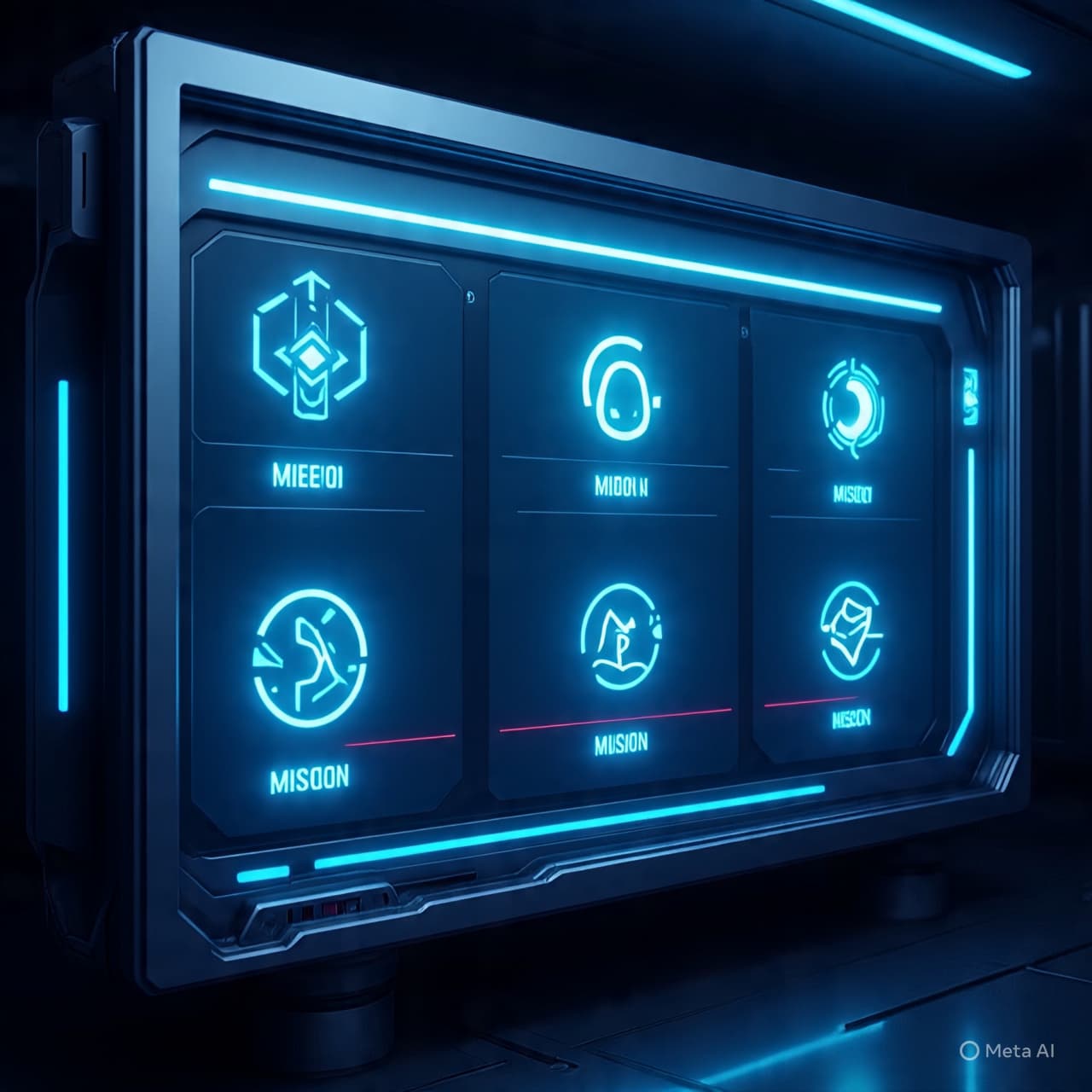
AI Image Disclaimer Artwork shown is AI-generated for illustrative purposes and does not depict actual gameplay captures.
Sources (Media Names Only) IGN GameSpot Eurogamer Polygon Video Games Chronicle
Published by Banx Network. This article is part of the Banx decentralized media programme, powered by the BXE token on the XRP Ledger.