After a powerful earthquake, a hospital can become one of the most important places in a community—and one of the places where fear is most visible. On Flores, patients and medical workers faced damaged structures, aftershocks, and the need to continue treatment while some buildings could no longer be used normally.
The magnitude 7.7 earthquake struck offshore near Flores early Saturday, August 15. The Associated Press reported that the earthquake caused significant destruction in East Nusa Tenggara, including collapsed buildings, landslides, power outages, and widespread disruption.
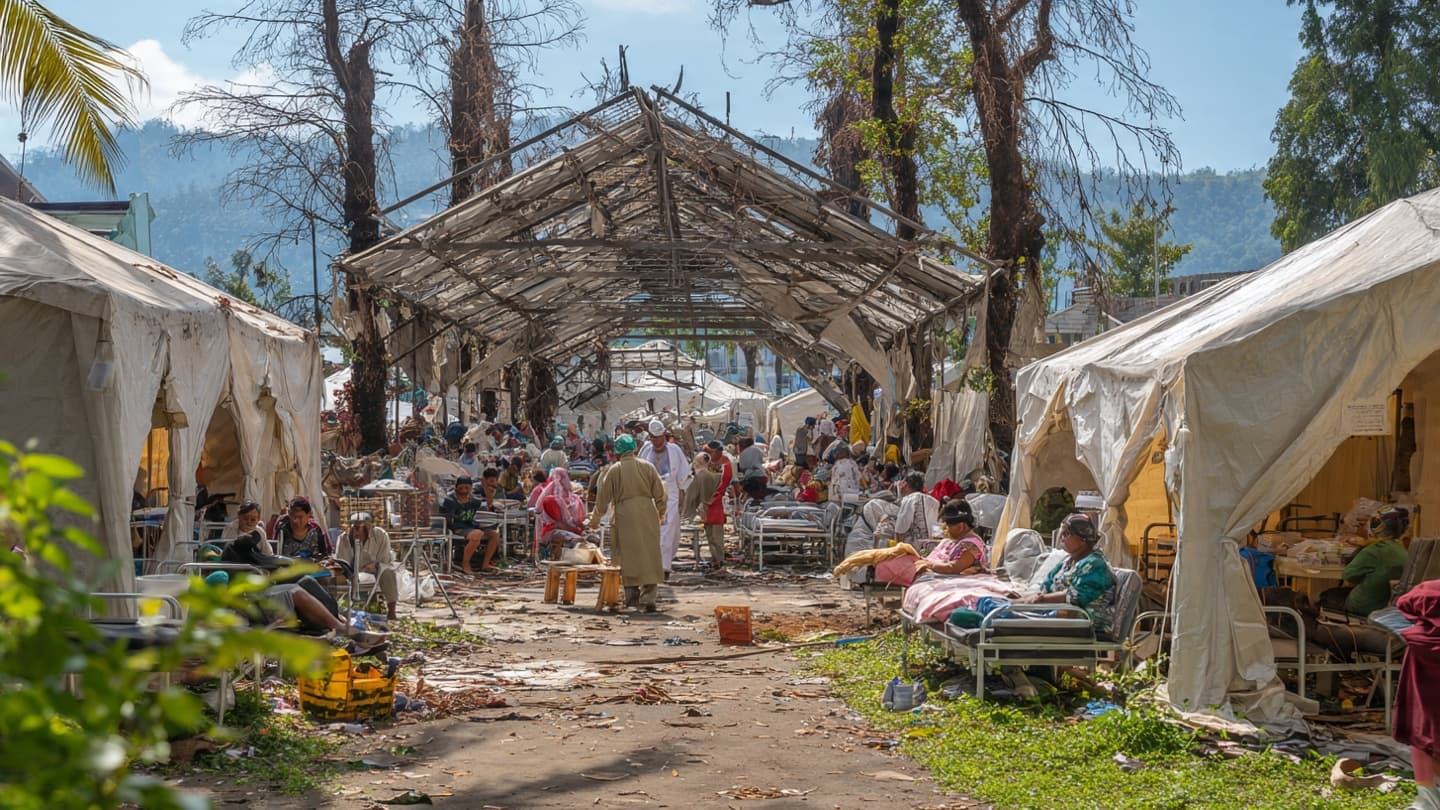
The damage affected more than private homes. Reports indicated that some medical facilities were also affected, prompting patients to be moved from buildings where structural safety had become uncertain. Hospitals are particularly sensitive after earthquakes because treatment must continue even when the buildings themselves require inspection.
Moving patients outdoors can provide temporary protection from possible structural collapse, but it also creates new logistical demands. Medical teams must maintain access to medicines, electricity, equipment, sanitation, and emergency care while working in spaces that were not designed as permanent treatment areas.
The earthquake's aftershocks added to the uncertainty. The Times reported that several aftershocks followed the main tremor, while residents remained cautious about returning to damaged buildings.
Across Flores, the medical response unfolded alongside a wider emergency. At least 38 people were reported killed, more than a dozen injured, and approximately 2,000 residents evacuated from affected communities. Landslides also blocked major roads, making transportation between hospitals and surrounding villages more difficult.
The Trans-Flores highway was among the routes affected by landslides and earthquake damage. For medical teams, road access can determine how quickly patients can be transferred and how efficiently supplies can reach communities. When roads are blocked, helicopters and other forms of transportation become more important.
Emergency workers therefore face two tasks at once: treating those already injured and preparing for the possibility of additional casualties. Aftershocks can damage structures that survived the initial earthquake, while landslides can continue affecting roads and settlements after the first major movement has ended.
The earthquake also briefly triggered a tsunami warning, sending coastal residents toward higher ground. The warning was later lifted after authorities found no significant continuing sea-level threat, allowing the emergency response to concentrate more fully on damage across the island.
For Flores' medical workers and residents, recovery will require time and careful assessment. Hospitals must determine which buildings can safely reopen, roads must be cleared, and displaced families need continuing assistance. Beneath the island's returning daylight, the emergency has moved from the first moments of survival toward the slower work of keeping communities functioning.
Image Disclaimer
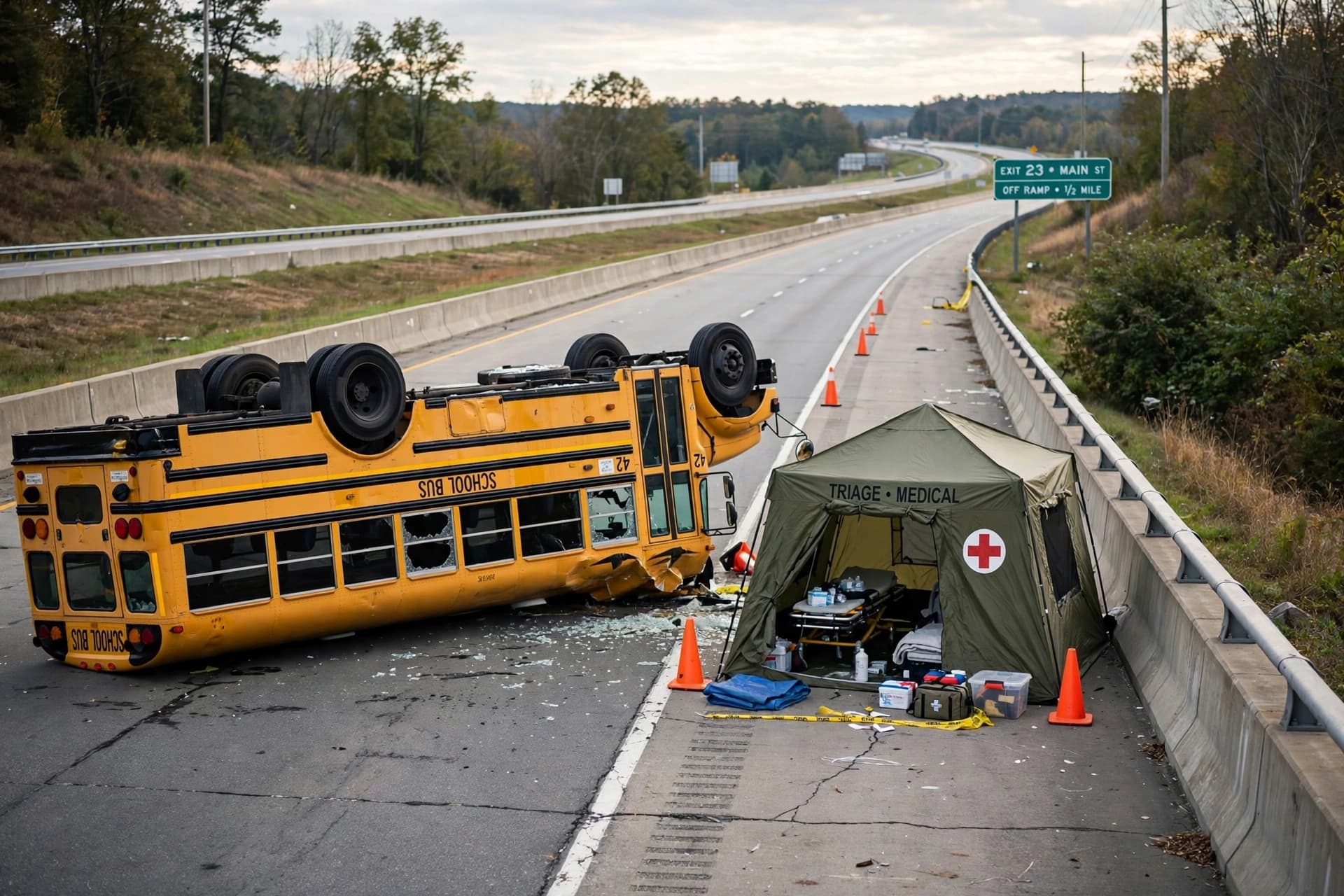
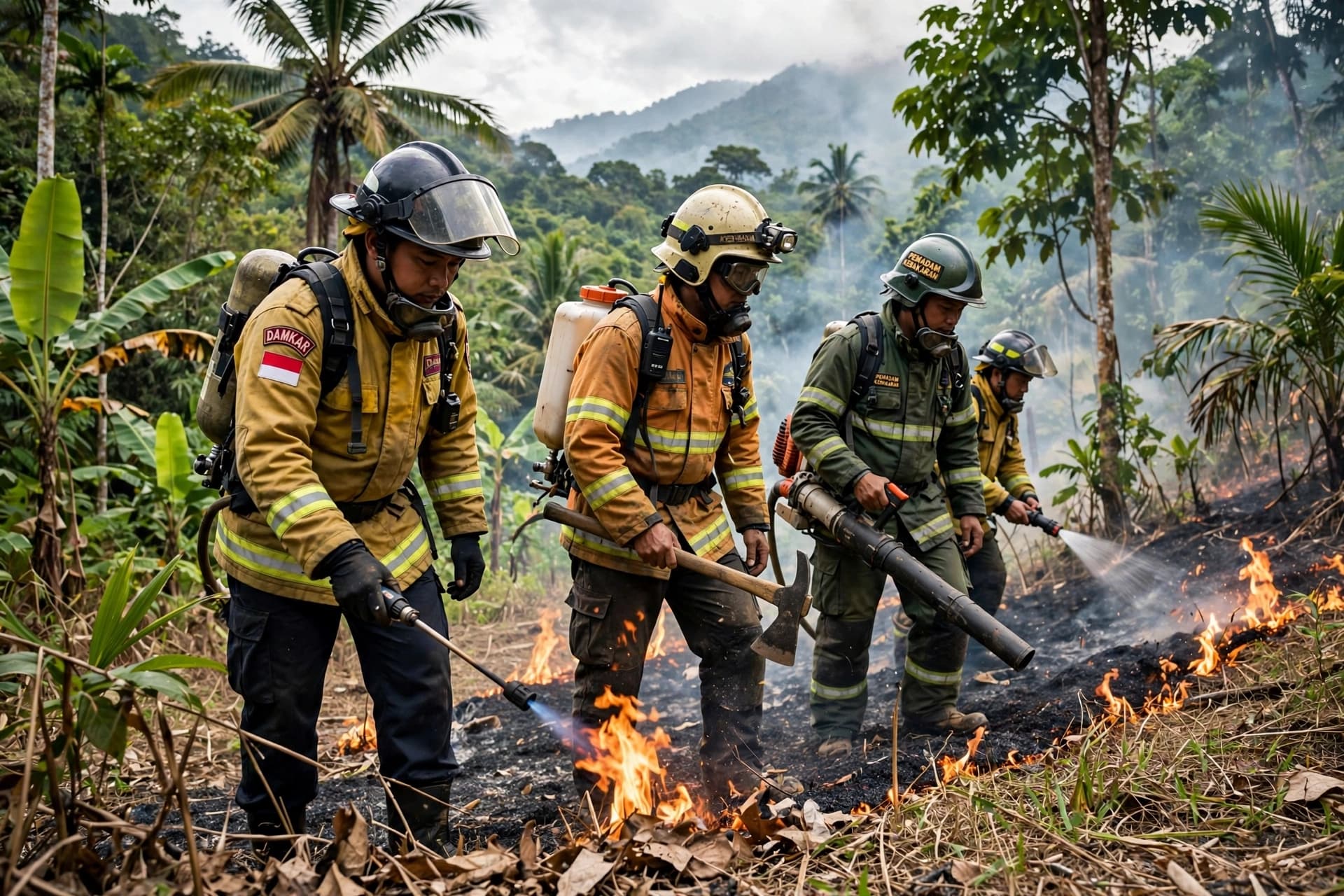
These illustrations were produced with AI tools to visualize the reported earthquake response and should not be interpreted as photographs of actual Flores hospitals or patients.
Sources
Associated Press Reuters The Times Al Jazeera
Published by Banx Network. This article is part of the Banx decentralized media programme, powered by the BXE token on the XRP Ledger.