Europe’s energy system is built on decisions that stretch far beyond a single winter or summer. Power plants, transmission lines and renewable projects can take years to plan and construct, which makes the signals given to investors almost as important as the targets themselves.
Spain, Portugal and Luxembourg have called on the European Commission to establish a dedicated renewable-energy target for 2040. The three countries made the request in a letter to EU Energy Commissioner Dan Jørgensen dated September 25.
The European Union currently has a target to raise renewable energy’s share of overall energy consumption to 42.5% by 2030. There is not yet an equivalent renewable-energy target for 2040, leaving the bloc to determine how its post-2030 energy framework should be structured.
Spain’s Energy Minister Sara Aagesen said clearer long-term goals would provide stronger signals for investors. The three countries described renewable energy as a technology that can be deployed at scale and argued that a dedicated framework could support energy security and competitive prices.
The proposal comes as the European Commission prepares new policies for the period after 2030. The framework is expected to connect energy legislation with the EU’s longer-term climate objectives and provide direction for future investment in generation and infrastructure.
At the center of the discussion is the question of how the term “clean energy” should be defined. Some EU governments support a broader approach that includes nuclear power alongside renewable sources, while Spain, Portugal and Luxembourg are calling specifically for a renewable-energy target.
Finland’s Climate Minister Sari Multala, for example, said nuclear power should be considered part of the solution. France and Sweden are among other countries that have supported a broader role for nuclear energy as Europe works to reduce emissions and dependence on fossil-fuel imports.
Luxembourg’s position reflects a different energy structure. Although it joined Spain and Portugal in requesting a renewable target, it has historically opposed nuclear power and raised concerns about safety and radioactive waste. The differing positions illustrate why the post-2030 framework is likely to involve several competing priorities.
The discussion also has a direct connection to investment. Renewable projects require capital for generation equipment, transmission connections and supporting infrastructure. Long-term targets can therefore influence how companies evaluate projects that may operate for decades.
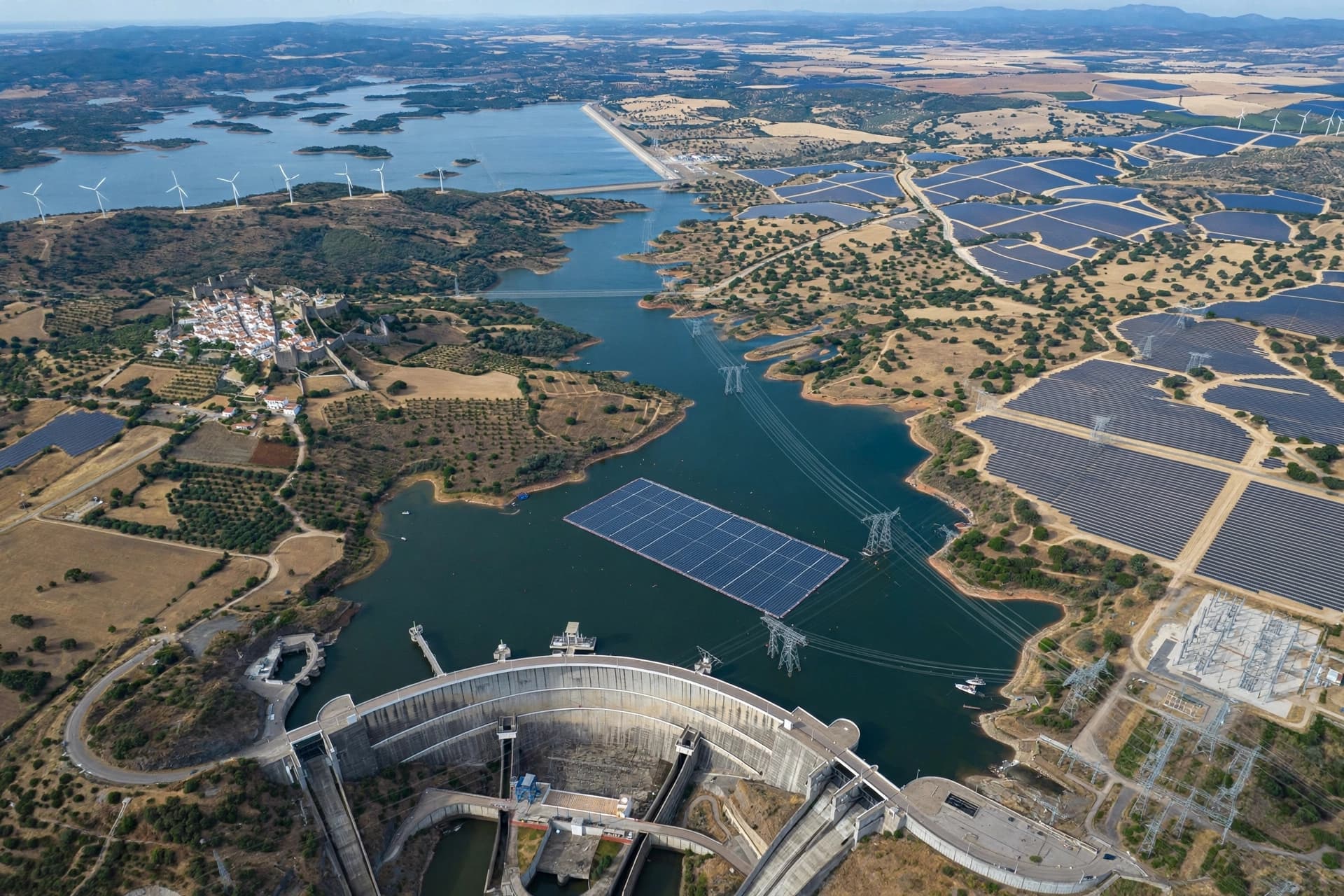
For Spain and Portugal, the issue is also linked to the Iberian Peninsula’s expanding renewable-energy capacity. The region has significant solar and wind resources, while its ability to move electricity across European borders depends partly on interconnection infrastructure and wider grid development.
The European Commission’s eventual framework will consequently extend beyond a single percentage target. It can influence investment in renewable generation, electricity networks, storage, industrial electrification and other technologies needed to accommodate a changing energy system.
For now, Spain, Portugal and Luxembourg have placed a specific proposal on the table as the EU considers its energy direction beyond 2030. The next stage will depend on discussions among member states and the European Commission as the bloc works toward defining the framework for 2040.
Published by Banx Network. This article is part of the Banx decentralized media programme, powered by the BXE token on the XRP Ledger.