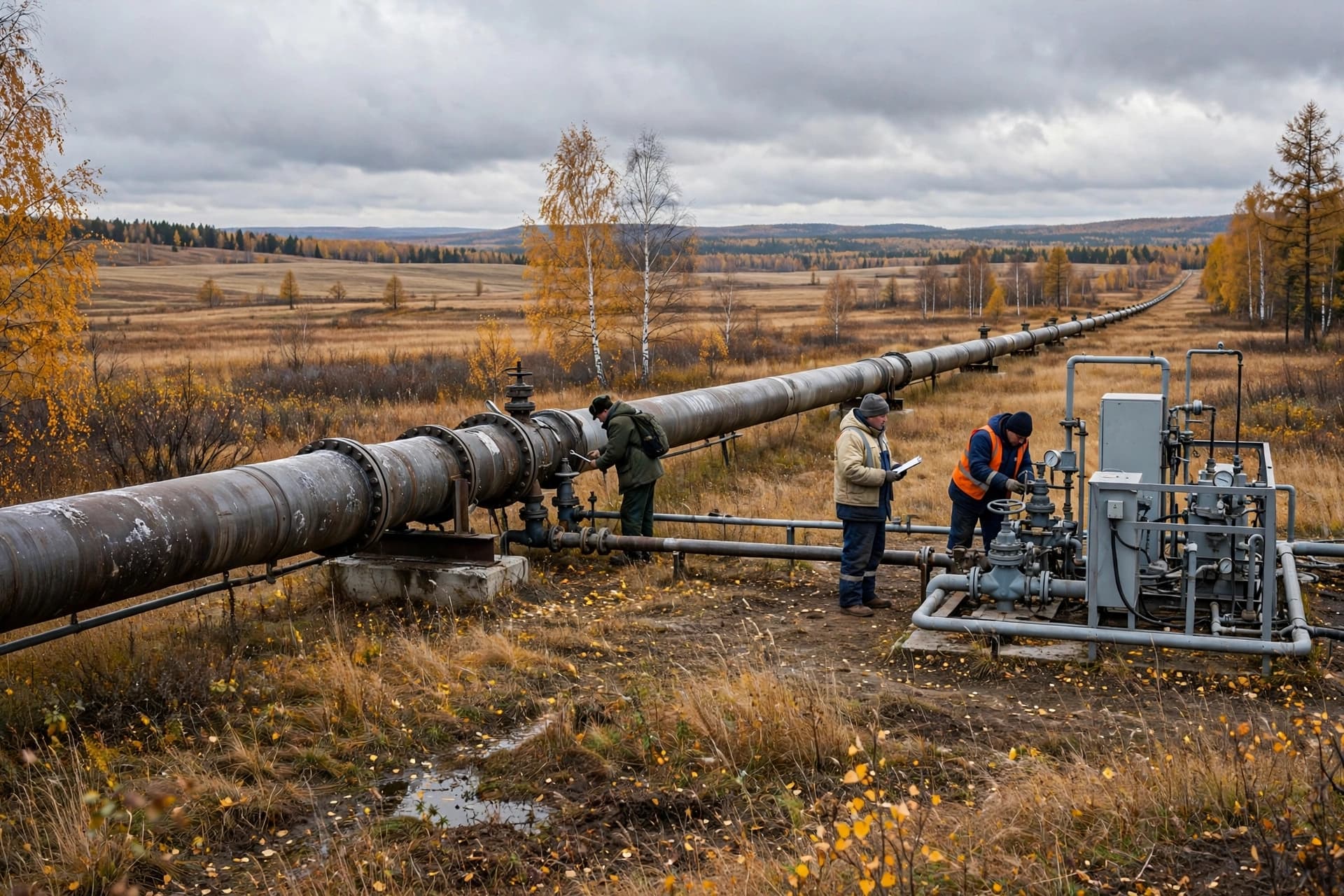
Oil is often described through numbers: barrels, dollars, cargoes and production targets. Yet behind those figures is a vast physical network of wells, pipelines, refineries, tankers and ports. When one part of that network is disrupted, the effects can travel across continents. Saudi Aramco's latest comments offered a measure of just how large that disruption has become.
Saudi Aramco said the global market had lost more than 2.6 billion barrels of oil since the U.S.-Israeli war with Iran began in February. The estimate illustrates the scale of supply that has been removed from normal market flows during the conflict.
The company reported a 44% increase in second-quarter net profit, demonstrating that higher oil prices and the company's position in the global energy system have provided financial support even as the wider market has experienced major disruption. The result showed how an energy crisis can produce different consequences for producers and consumers.
For oil-consuming economies, reduced supply can mean higher prices and increased transportation costs. Airlines, shipping companies, manufacturers and logistics operators all depend on relatively predictable energy markets. When crude prices rise, those costs can gradually move through supply chains and eventually influence prices paid by consumers.
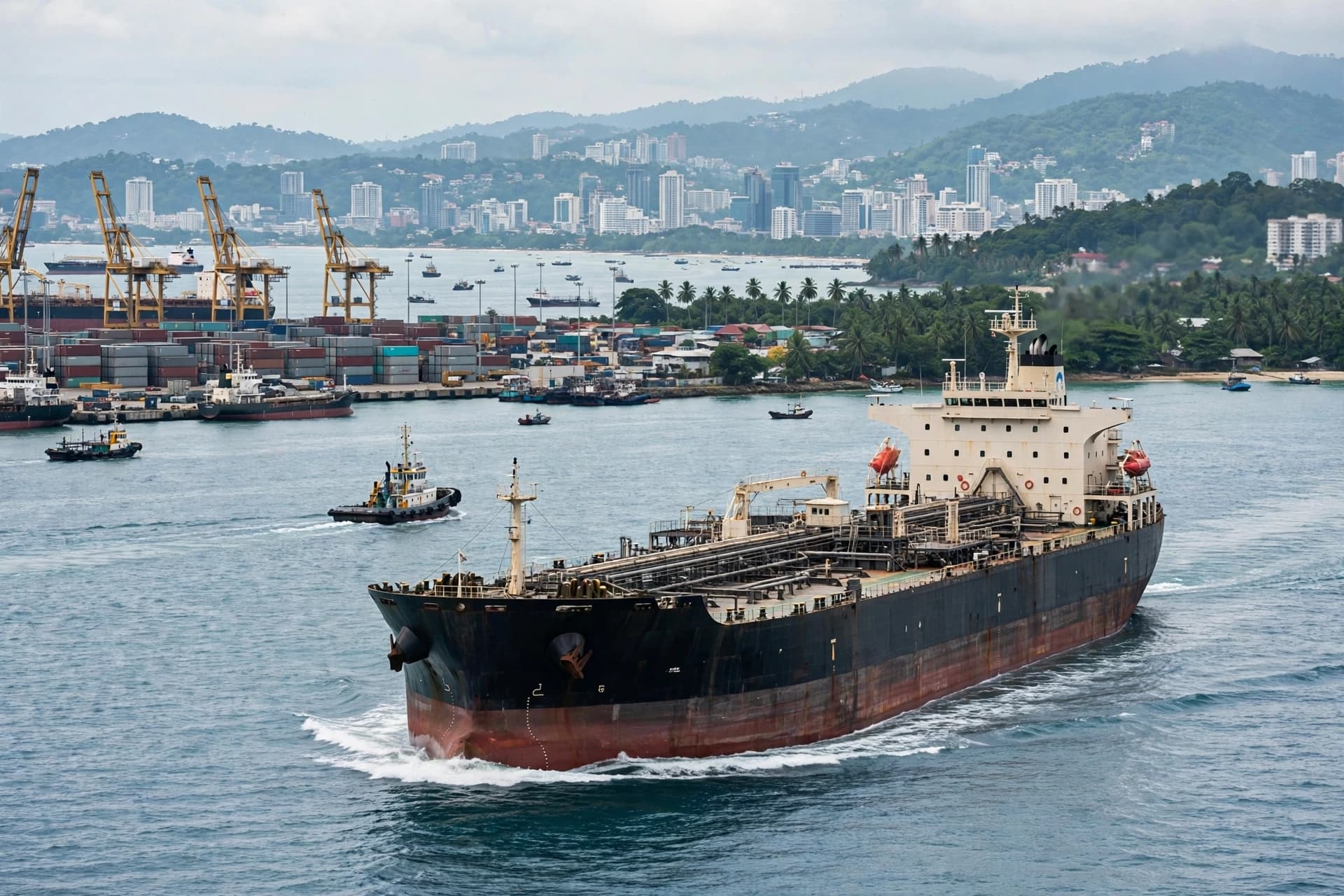
The disruption has also placed greater attention on the Strait of Hormuz. The waterway normally carries a major share of global oil and liquefied natural gas shipments. With traffic reduced, energy companies and traders have been watching closely for signs that maritime routes can return to normal.
Reuters reported that vessel traffic through Hormuz had fallen sharply during the first week of August, with only 33 vessels recorded passing through from Monday to Thursday. The slowdown demonstrated how the effects of regional disruption were still being felt directly in global energy transportation.
At the same time, oil markets have responded to changing expectations about the future. Prices have moved sharply as investors assess prospects for reopening the waterway and restoring more regular energy flows. A possible agreement involving Iran and Oman has therefore become an important factor for traders, although practical questions surrounding navigation remain.
For producers such as Saudi Aramco, the environment is complicated. Higher prices can support revenue, but prolonged disruption can also create uncertainty around production planning, transportation and customer demand. Energy companies must therefore navigate a market where the value of their product and the reliability of its movement are closely connected.
The 2.6-billion-barrel figure provides a striking measure of the scale of the disruption so far. It also shows why developments in the Gulf continue to matter far beyond the region itself. Oil moves through a global system, and when one of its major routes becomes constrained, the consequences can appear in markets, factories, transport networks and household budgets thousands of miles away. For now, the energy market continues to wait for clearer signs that normal supply routes can return.
AI Image Disclaimer: The visuals are AI-generated conceptual representations of global energy infrastructure and are not actual photographs of the reported events.
Sources: Reuters, Saudi Aramco, International Energy Agency, U.S. Energy Information Administration.
Published by Banx Network. This article is part of the Banx decentralized media programme, powered by the BXE token on the XRP Ledger.